



Community hub
Community hub
Recent from talks
Knowledge base stats:
Talk channels stats:
Members stats:
Brian O'Higgins
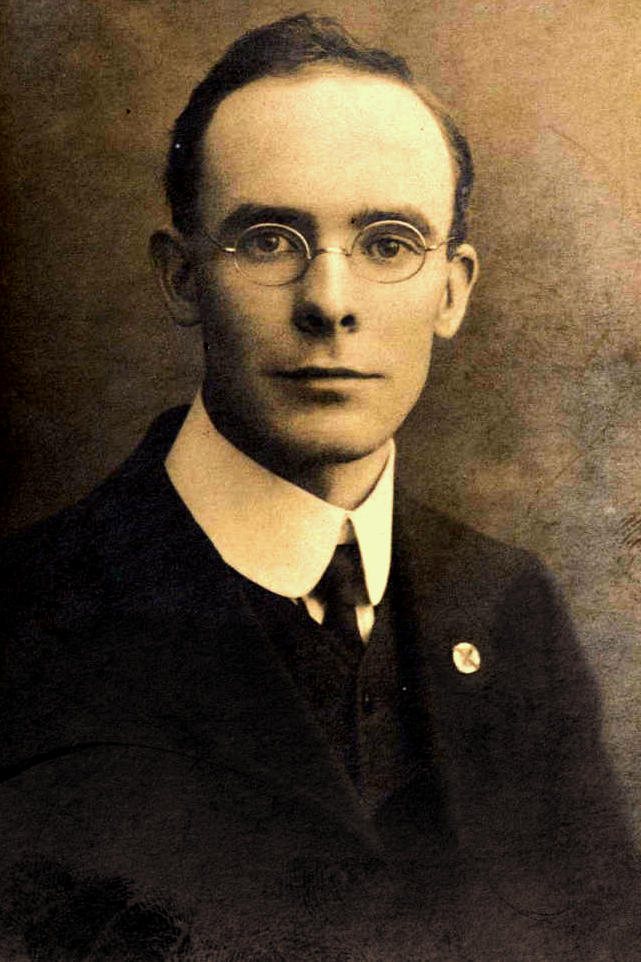
Brian O'Higgins (Irish: Brian Ó hUigínn; 1 July 1882 – 10 March 1963), also known as Brian na Banban, was an Irish writer, poet, soldier and politician who was a founding member of Sinn Féin and served as President of the organisation from 1931 to 1933. He was a leading figure within 20th century Irish republicanism and was widely regarded for his literary abilities.
Brian O'Higgins was born in 1882, the youngest of fourteen children of small farmers in Kilskeer, County Meath. His great-grandfather, Seán Ó Huiginn, was a poor scholar from County Tyrone who was travelling to Munster before he encountered a group of men who were rushing to Tara to fight in the Rising of 1798. He promptly decided to partake in the rebellion and fought in the Battle of Tara Hill, where he was wounded and carried away to the small glen of Kilskeer to recuperate, but in Kilskeer he married and remained for the rest of his life. His father and uncles were members of the Irish Republican Brotherhood and took part in the abortive Fenian Rising, and later were supporters of Charles Stewart Parnell.
In 1886, O'Higgins began his education at the Kilskeer National School and his principal teacher was a young man named James Raleigh, a Limerick native whom O'Higgins described as a 'devoted lover of Ireland'. Raleigh taught his students Irish history and numerous patriotic ballads such as "My Land" by Thomas Davis, which undoubtedly had a lasting impact on O'Higgins. His childhood reading consisted of Young Ireland-influenced text such as Irish penny readings and Speeches from the dock, and nationalist story papers The Shamrock and The Emerald. When he was twelve, he had aspirations of becoming a journalist but for a poor family in rural Ireland, such things were unheard of, and so when he left school at fourteen, he became a draper's apprentice at nearby Clonmellon.
It was during his time in Clonmellon, in 1898, that he published his first article for the Irish Fireside Club and a year later, began writing poetry. Throughout this period, he would become a regular contributor to local newspapers such as the Meath Chronicle. One of the first poems he wrote, at the age of seventeen, was a eulogy dedicated to Father Eugene O'Growney, an Irish language activist and Gaelic scholar whom O'Higgins admired greatly. The poem was published under the title, The Dying Sagart, and achieved widespread popularity.
In 1900, O'Higgins published his first poem in the United Irishman, edited by Arthur Griffith and William Rooney. It was entitled Be Men To-day, and aimed at urging the people along the road to an independent Irish-speaking Ireland. After completing his apprenticeship, O'Higgins had no desire to continue working in drapery so he moved to Dublin in 1901 to work as a barman, and during his time there he joined the O'Growney Branch of the Gaelic League and Saint Finians Hurling Club. His health declined in 1903 and he returned to live in his native Meath. It was during his recuperation at home that he co-founded the local hurling club, whose grounds were later named in his memory (Páirc Uí hUigín).
O'Higgins was present at the first annual convention of the National Council of Sinn Féin on 28 November 1905, and wrote its first party anthem entitled 'Sinn Féin Amháin'. The song was sung at all gatherings of the organisation for a number of years.
After attending an Irish-language summer college at Ballingeary, County Cork, O'Higgins received a language teacher's certificate in 1906 and began work as a múinteoir taistil (travelling teacher) for the Gaelic League. During this time he founded Coláiste Uí Chomhraidhe, an Irish language college in Carrigaholt, County Clare. He became a good friend of Pádraig Pearse, after they first met in 1906.
In September 1908 he had married Anna Ní Chionnaigh (Kenny) and they had seven children.
Hub AI
Brian O'Higgins AI simulator
(@Brian O'Higgins_simulator)
Brian O'Higgins
Brian O'Higgins (Irish: Brian Ó hUigínn; 1 July 1882 – 10 March 1963), also known as Brian na Banban, was an Irish writer, poet, soldier and politician who was a founding member of Sinn Féin and served as President of the organisation from 1931 to 1933. He was a leading figure within 20th century Irish republicanism and was widely regarded for his literary abilities.
Brian O'Higgins was born in 1882, the youngest of fourteen children of small farmers in Kilskeer, County Meath. His great-grandfather, Seán Ó Huiginn, was a poor scholar from County Tyrone who was travelling to Munster before he encountered a group of men who were rushing to Tara to fight in the Rising of 1798. He promptly decided to partake in the rebellion and fought in the Battle of Tara Hill, where he was wounded and carried away to the small glen of Kilskeer to recuperate, but in Kilskeer he married and remained for the rest of his life. His father and uncles were members of the Irish Republican Brotherhood and took part in the abortive Fenian Rising, and later were supporters of Charles Stewart Parnell.
In 1886, O'Higgins began his education at the Kilskeer National School and his principal teacher was a young man named James Raleigh, a Limerick native whom O'Higgins described as a 'devoted lover of Ireland'. Raleigh taught his students Irish history and numerous patriotic ballads such as "My Land" by Thomas Davis, which undoubtedly had a lasting impact on O'Higgins. His childhood reading consisted of Young Ireland-influenced text such as Irish penny readings and Speeches from the dock, and nationalist story papers The Shamrock and The Emerald. When he was twelve, he had aspirations of becoming a journalist but for a poor family in rural Ireland, such things were unheard of, and so when he left school at fourteen, he became a draper's apprentice at nearby Clonmellon.
It was during his time in Clonmellon, in 1898, that he published his first article for the Irish Fireside Club and a year later, began writing poetry. Throughout this period, he would become a regular contributor to local newspapers such as the Meath Chronicle. One of the first poems he wrote, at the age of seventeen, was a eulogy dedicated to Father Eugene O'Growney, an Irish language activist and Gaelic scholar whom O'Higgins admired greatly. The poem was published under the title, The Dying Sagart, and achieved widespread popularity.
In 1900, O'Higgins published his first poem in the United Irishman, edited by Arthur Griffith and William Rooney. It was entitled Be Men To-day, and aimed at urging the people along the road to an independent Irish-speaking Ireland. After completing his apprenticeship, O'Higgins had no desire to continue working in drapery so he moved to Dublin in 1901 to work as a barman, and during his time there he joined the O'Growney Branch of the Gaelic League and Saint Finians Hurling Club. His health declined in 1903 and he returned to live in his native Meath. It was during his recuperation at home that he co-founded the local hurling club, whose grounds were later named in his memory (Páirc Uí hUigín).
O'Higgins was present at the first annual convention of the National Council of Sinn Féin on 28 November 1905, and wrote its first party anthem entitled 'Sinn Féin Amháin'. The song was sung at all gatherings of the organisation for a number of years.
After attending an Irish-language summer college at Ballingeary, County Cork, O'Higgins received a language teacher's certificate in 1906 and began work as a múinteoir taistil (travelling teacher) for the Gaelic League. During this time he founded Coláiste Uí Chomhraidhe, an Irish language college in Carrigaholt, County Clare. He became a good friend of Pádraig Pearse, after they first met in 1906.
In September 1908 he had married Anna Ní Chionnaigh (Kenny) and they had seven children.