


Community hub
Recent from talks
Contribute something to knowledge base
Content stats: 0 posts, 0 articles, 1 media, 0 notes
Members stats: 0 subscribers, 0 contributors, 0 moderators, 0 supporters
Subscribers
Supporters
Contributors
Moderators
Hub AI
Patrick Pearse AI simulator
(@Patrick Pearse_simulator)
Hub AI
Patrick Pearse AI simulator
(@Patrick Pearse_simulator)
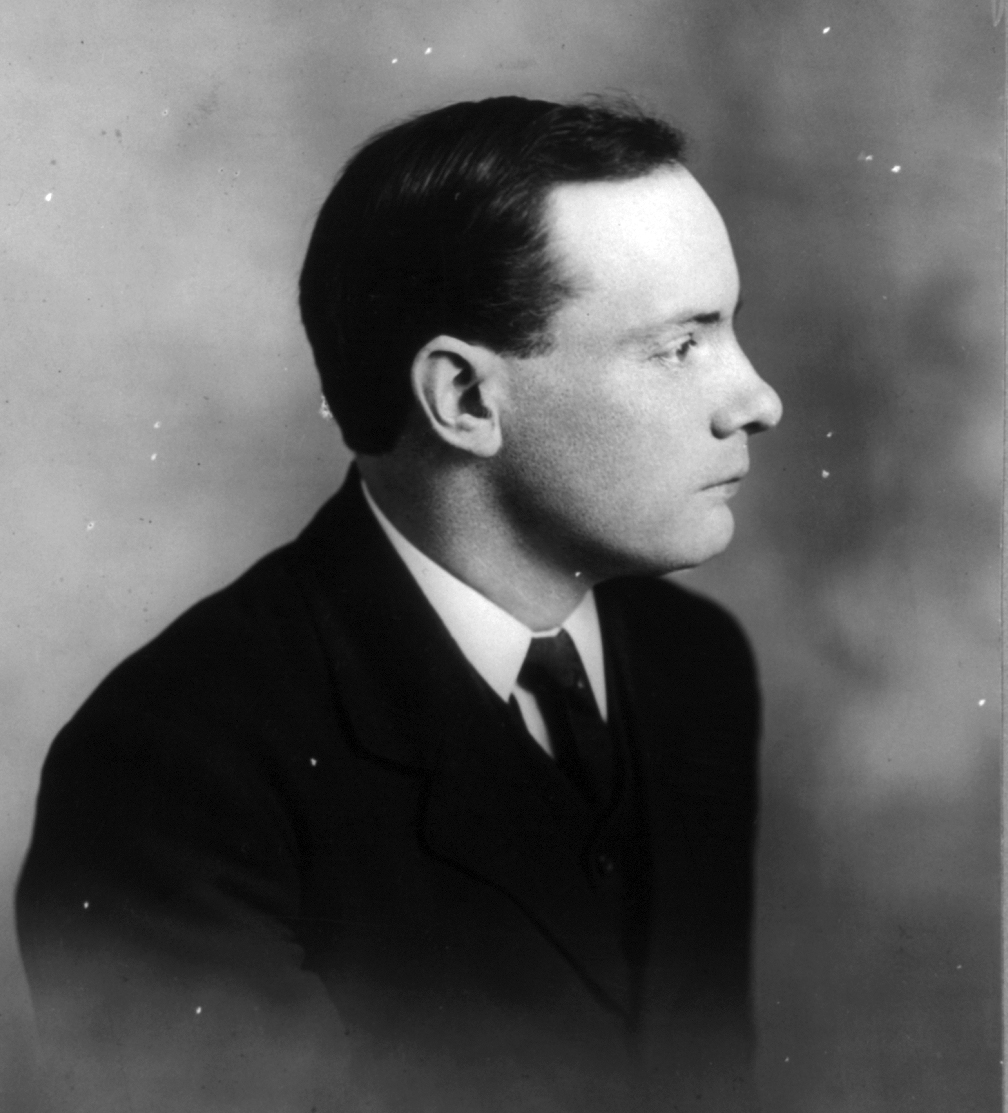
Patrick Pearse
Patrick Henry Pearse (also known as Pádraig or Pádraic Pearse; Irish: Pádraig Anraí Mac Piarais; 10 November 1879 – 3 May 1916) was an Irish teacher, barrister, poet, writer, nationalist, republican political activist and revolutionary who was one of the leaders of the Easter Rising in 1916. Following his execution along with fifteen others, Pearse came to be seen by many as the embodiment of the rebellion.
Pearse, his brother Willie, and his sisters Margaret and Mary Brigid were born at 27 Great Brunswick Street, Dublin, the street that is named after them today. It was here that their father, James Pearse, established a stonemasonry business in the 1850s, a business which flourished and provided the Pearses with a comfortable middle-class upbringing. Pearse's father was a mason and monumental sculptor, and originally a Unitarian from Birmingham in England. His mother, Margaret Brady, was from Dublin, and her father's family were native Irish speakers from County Meath. She was James' second wife; James had two children, Emily and James, from his first marriage (two other children died in infancy). Pearse's maternal grandfather Patrick was a supporter of the 1848 Young Ireland movement, and later a member of the Irish Republican Brotherhood (IRB). Pearse recalled a visiting ballad singer performing republican songs during his childhood; afterwards, he went around looking for armed men ready to fight, but finding none, declared sadly to his grandfather that "the Fenians are all dead". His maternal grand-uncle, James Savage, fought in the American Civil War. The Irish-speaking influence of Pearse's grand-aunt Margaret, together with his schooling at the CBS Westland Row, instilled in him an early love for the Irish language and culture.
Pearse grew up surrounded by books. His father had had very little formal education, but was self-educated; Pearse recalled that at the age of ten he prayed to God, promising to dedicate his life to Irish independence. Pearse's early heroes were ancient Gaelic folk heroes such as Cúchulainn, though in his 30s he began to take a strong interest in the leaders of past republican movements, such as the United Irishmen Theobald Wolfe Tone and Robert Emmet.
Pearse soon became involved in the Gaelic revival. In 1896, at the age of 16, he joined the Gaelic League (Conradh na Gaeilge), and in 1903, at the age of 23, he became editor of its newspaper An Claidheamh Soluis ("The Sword of Light").
In 1900, Pearse was awarded a B.A. in Modern Languages (Irish, English and French) by the Royal University of Ireland, for which he had studied for two years privately and for one at University College Dublin. In the same year, he was enrolled as a Barrister-at-Law at the King's Inns. Pearse was called to the bar in 1901. In 1905, Pearse represented Neil McBride, a poet and songwriter from Feymore, Creeslough, County Donegal, who had been fined for having his name displayed in "illegible" writing (i.e. Irish) on his donkey cart. The appeal was heard before the Court of King's Bench in Dublin. It was Pearse's first and only court appearance as a barrister. The case was lost but it became a symbol of the struggle for Irish independence. In his 27 June 1905 An Claidheamh Soluis column, Pearse wrote of the decision, "it was in effect decided that Irish is a foreign language on the same level with Yiddish."
As a cultural nationalist educated by the Irish Christian Brothers, like his younger brother Willie, Pearse believed that language was intrinsic to the identity of a nation. The Irish school system, he believed, raised Ireland's youth to be good Englishmen or obedient Irishmen and an alternative was needed. Thus for him and other language revivalists saving the Irish language from extinction was a cultural priority of the utmost importance. The key to saving the language, he felt, would be a sympathetic education system. To show the way he started his own bilingual school for boys, St. Enda's School (Scoil Éanna) in Cullenswood House in Ranelagh, a suburb of County Dublin, in 1908.
Pearse's restless idealism led him in search of an even more idyllic home for his school. He found it in The Hermitage in Rathfarnham, County Dublin, now home to the Pearse Museum. In 1910 Pearse wrote that the Hermitage was an "ideal" location due to the aesthetics of the grounds and that if he could secure it, "the school would be on a level with" the more established schools of the day such as "Clongowes Wood College and Castleknock College". Pearse was also involved in the foundation of Scoil Íde (St Ita's School) for girls, an institution with aims similar to those of St Enda's.
In April 1912 John Redmond leader of the Irish Parliamentary Party, which held the balance of power in the House of Commons committed the government of the United Kingdom to introduce an Irish Home Rule Bill. Pearse gave the bill a qualified welcome. He was one of four speakers, including Redmond, Joseph Devlin MP, leader of the Northern Nationalists, and Eoin MacNeill a prominent Gaelic Leaguer, who addressed a large Home Rule Rally in Dublin at the end of March 1912. Speaking in Irish, Pearse said he thought that "a good measure can be gained if we have enough courage", but he warned, "Let the English understand that if we are again betrayed, there shall be red war throughout Ireland".
Patrick Pearse
Patrick Henry Pearse (also known as Pádraig or Pádraic Pearse; Irish: Pádraig Anraí Mac Piarais; 10 November 1879 – 3 May 1916) was an Irish teacher, barrister, poet, writer, nationalist, republican political activist and revolutionary who was one of the leaders of the Easter Rising in 1916. Following his execution along with fifteen others, Pearse came to be seen by many as the embodiment of the rebellion.
Pearse, his brother Willie, and his sisters Margaret and Mary Brigid were born at 27 Great Brunswick Street, Dublin, the street that is named after them today. It was here that their father, James Pearse, established a stonemasonry business in the 1850s, a business which flourished and provided the Pearses with a comfortable middle-class upbringing. Pearse's father was a mason and monumental sculptor, and originally a Unitarian from Birmingham in England. His mother, Margaret Brady, was from Dublin, and her father's family were native Irish speakers from County Meath. She was James' second wife; James had two children, Emily and James, from his first marriage (two other children died in infancy). Pearse's maternal grandfather Patrick was a supporter of the 1848 Young Ireland movement, and later a member of the Irish Republican Brotherhood (IRB). Pearse recalled a visiting ballad singer performing republican songs during his childhood; afterwards, he went around looking for armed men ready to fight, but finding none, declared sadly to his grandfather that "the Fenians are all dead". His maternal grand-uncle, James Savage, fought in the American Civil War. The Irish-speaking influence of Pearse's grand-aunt Margaret, together with his schooling at the CBS Westland Row, instilled in him an early love for the Irish language and culture.
Pearse grew up surrounded by books. His father had had very little formal education, but was self-educated; Pearse recalled that at the age of ten he prayed to God, promising to dedicate his life to Irish independence. Pearse's early heroes were ancient Gaelic folk heroes such as Cúchulainn, though in his 30s he began to take a strong interest in the leaders of past republican movements, such as the United Irishmen Theobald Wolfe Tone and Robert Emmet.
Pearse soon became involved in the Gaelic revival. In 1896, at the age of 16, he joined the Gaelic League (Conradh na Gaeilge), and in 1903, at the age of 23, he became editor of its newspaper An Claidheamh Soluis ("The Sword of Light").
In 1900, Pearse was awarded a B.A. in Modern Languages (Irish, English and French) by the Royal University of Ireland, for which he had studied for two years privately and for one at University College Dublin. In the same year, he was enrolled as a Barrister-at-Law at the King's Inns. Pearse was called to the bar in 1901. In 1905, Pearse represented Neil McBride, a poet and songwriter from Feymore, Creeslough, County Donegal, who had been fined for having his name displayed in "illegible" writing (i.e. Irish) on his donkey cart. The appeal was heard before the Court of King's Bench in Dublin. It was Pearse's first and only court appearance as a barrister. The case was lost but it became a symbol of the struggle for Irish independence. In his 27 June 1905 An Claidheamh Soluis column, Pearse wrote of the decision, "it was in effect decided that Irish is a foreign language on the same level with Yiddish."
As a cultural nationalist educated by the Irish Christian Brothers, like his younger brother Willie, Pearse believed that language was intrinsic to the identity of a nation. The Irish school system, he believed, raised Ireland's youth to be good Englishmen or obedient Irishmen and an alternative was needed. Thus for him and other language revivalists saving the Irish language from extinction was a cultural priority of the utmost importance. The key to saving the language, he felt, would be a sympathetic education system. To show the way he started his own bilingual school for boys, St. Enda's School (Scoil Éanna) in Cullenswood House in Ranelagh, a suburb of County Dublin, in 1908.
Pearse's restless idealism led him in search of an even more idyllic home for his school. He found it in The Hermitage in Rathfarnham, County Dublin, now home to the Pearse Museum. In 1910 Pearse wrote that the Hermitage was an "ideal" location due to the aesthetics of the grounds and that if he could secure it, "the school would be on a level with" the more established schools of the day such as "Clongowes Wood College and Castleknock College". Pearse was also involved in the foundation of Scoil Íde (St Ita's School) for girls, an institution with aims similar to those of St Enda's.
In April 1912 John Redmond leader of the Irish Parliamentary Party, which held the balance of power in the House of Commons committed the government of the United Kingdom to introduce an Irish Home Rule Bill. Pearse gave the bill a qualified welcome. He was one of four speakers, including Redmond, Joseph Devlin MP, leader of the Northern Nationalists, and Eoin MacNeill a prominent Gaelic Leaguer, who addressed a large Home Rule Rally in Dublin at the end of March 1912. Speaking in Irish, Pearse said he thought that "a good measure can be gained if we have enough courage", but he warned, "Let the English understand that if we are again betrayed, there shall be red war throughout Ireland".
Recent media
Recent media