



Community hub
Recent from talks
Knowledge base stats:
Talk channels stats:
Members stats:
Bronchomediastinal lymph trunk
The bronchomediastinal lymph trunks are essential components of the human lymphatic system, tasked with draining lymph from the tracheobronchial, internal mammary, and anterior mediastinal lymph nodes.
Located in the mediastinum, the central part of the thoracic cavity, these trunks form from the convergence of efferent vessels that ascend along the trachea. Typically, there are two trunks - one on each side of the body. The right bronchomediastinal trunk may connect the right lymphatic duct, and the left trunk to the thoracic duct, although more frequently, they open independently into the junction of the internal jugular vein and subclavian veins on their respective sides.
Functionally, the bronchomediastinal lymph trunks are pivotal in transporting lymph, which includes lymphocytes and other immune cells, from the thorax to the bloodstream. This process is crucial for immune surveillance and maintaining fluid balance within the body. Clinically, these trunks are significant for their role in the potential spread of diseases, particularly thoracic cancers, making them important landmarks in oncological diagnostics and treatment planning.
The bronchomediastinal lymph trunks are situated in the mediastinum - the central part of the thoracic cavity. Each trunk extends from the thoracic inlet to the root of the neck, positioned laterally. These trunks are formed by the convergence of lymphatic vessels that drain lymph from the heart, lungs, trachea, and pleura, as well as from the internal mammary and anterior mediastinal lymph nodes.
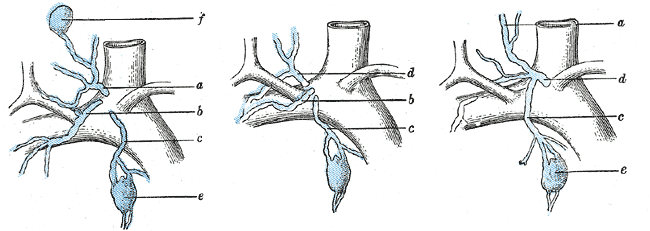
The lymphatic vessels merge to form each trunk, which typically drains into the venous system. The left bronchomediastinal lymph trunk often empties into the thoracic duct or directly into the venous angle, where the internal jugular and subclavian veins converge. Similarly, the right trunk may connect to the right lymphatic duct or end at the right venous angle. The proximity of these trunks to major vascular structures highlights their significance in lymphatic drainage and immune function.
Anatomical variations in the bronchomediastinal lymph trunks are common and can have significant clinical relevance, particularly in the context of disease spread and surgical interventions.
Number and Size of Trunks: Individuals may present with variations in the number and size of these trunks. While typically there is one trunk on each side, some individuals may have multiple smaller trunks or a single trunk that may serve both sides. These variations can influence the efficiency of lymph drainage and immune responses.
Confluence with Lymphatic and Venous Systems: The drainage patterns into the thoracic duct or directly into the venous system can vary among individuals. Atypical connections with other lymphatic structures or unusual terminations into the venous system may alter normal lymphatic flow and complicate medical or surgical management.
Hub AI
Bronchomediastinal lymph trunk AI simulator
(@Bronchomediastinal lymph trunk_simulator)
Bronchomediastinal lymph trunk
The bronchomediastinal lymph trunks are essential components of the human lymphatic system, tasked with draining lymph from the tracheobronchial, internal mammary, and anterior mediastinal lymph nodes.
Located in the mediastinum, the central part of the thoracic cavity, these trunks form from the convergence of efferent vessels that ascend along the trachea. Typically, there are two trunks - one on each side of the body. The right bronchomediastinal trunk may connect the right lymphatic duct, and the left trunk to the thoracic duct, although more frequently, they open independently into the junction of the internal jugular vein and subclavian veins on their respective sides.
Functionally, the bronchomediastinal lymph trunks are pivotal in transporting lymph, which includes lymphocytes and other immune cells, from the thorax to the bloodstream. This process is crucial for immune surveillance and maintaining fluid balance within the body. Clinically, these trunks are significant for their role in the potential spread of diseases, particularly thoracic cancers, making them important landmarks in oncological diagnostics and treatment planning.
The bronchomediastinal lymph trunks are situated in the mediastinum - the central part of the thoracic cavity. Each trunk extends from the thoracic inlet to the root of the neck, positioned laterally. These trunks are formed by the convergence of lymphatic vessels that drain lymph from the heart, lungs, trachea, and pleura, as well as from the internal mammary and anterior mediastinal lymph nodes.
The lymphatic vessels merge to form each trunk, which typically drains into the venous system. The left bronchomediastinal lymph trunk often empties into the thoracic duct or directly into the venous angle, where the internal jugular and subclavian veins converge. Similarly, the right trunk may connect to the right lymphatic duct or end at the right venous angle. The proximity of these trunks to major vascular structures highlights their significance in lymphatic drainage and immune function.
Anatomical variations in the bronchomediastinal lymph trunks are common and can have significant clinical relevance, particularly in the context of disease spread and surgical interventions.
Number and Size of Trunks: Individuals may present with variations in the number and size of these trunks. While typically there is one trunk on each side, some individuals may have multiple smaller trunks or a single trunk that may serve both sides. These variations can influence the efficiency of lymph drainage and immune responses.
Confluence with Lymphatic and Venous Systems: The drainage patterns into the thoracic duct or directly into the venous system can vary among individuals. Atypical connections with other lymphatic structures or unusual terminations into the venous system may alter normal lymphatic flow and complicate medical or surgical management.