


Community hub
Recent from talks
Contribute something to knowledge base
Content stats: 0 posts, 0 articles, 1 media, 0 notes
Members stats: 0 subscribers, 0 contributors, 0 moderators, 0 supporters
Subscribers
Supporters
Contributors
Moderators
Bruce Bolling
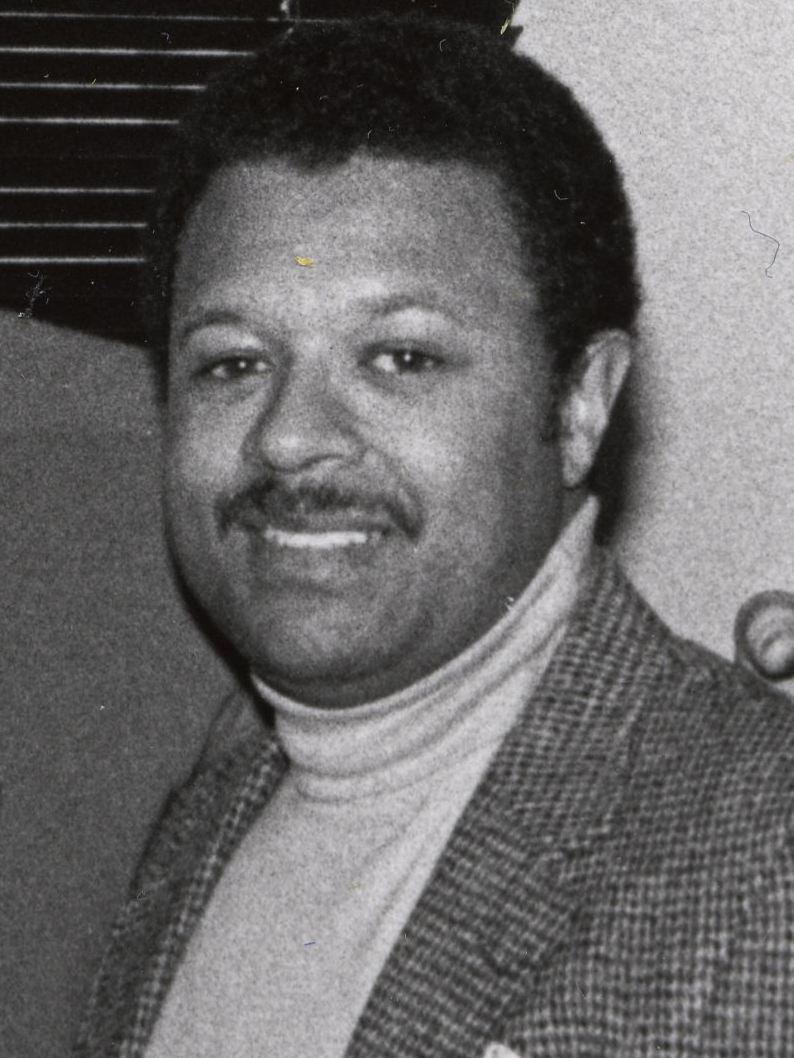
Bruce Carlton Bolling (April 29, 1945 – September 11, 2012) was a politician and businessman in Boston, Massachusetts. He was a member of the Boston City Council and served as the council's first black president in the mid-1980s. He unsuccessfully ran for mayor of Boston in 1993.
Bolling was born April 29, 1945 in Boston. He was from "the city's most politically successful black family. His father, Royal L. Bolling, served as a state senator and his brother, Royal L. Bolling Jr., served as state representative." He had eleven siblings: three brothers and eight sisters. Bolling's father is described to have been "one of the city's pioneering black politicians" at the time Bolling was growing up. Bolling was raised in Roxbury, a neighborhood which was multicultural. The main racial demographic of his neighborhood was white, including some Jewish residents. However, the neighborhood was diversifying at the time of his childhood, with well-off African Americans moving in. Bolling would as an adult characterize the 1950s in Roxbury as relatively idyllic, including in regards to the relations at the time between its white and growing black populations. Bolling was educated at Boston English High School, Lindsey Wilson College, and received a master's degree in education from Antioch University (now Cambridge College). In the mid-1980s, he took courses at the Kennedy School of Government at Harvard, earning credits towards a possible Master's degree in public administration.
After graduating from Northeastern University, Bolling served in the United States Coast Guard, being discharged in 1969.
Bolling married Carol Ann Nicholson (who took his surname). His wife had originally been from Saint Thomas, U.S. Virgin Islands. He continued to live in Roxbury during his adulthood. Later in his life, he remarried to Joyce Ferriabough-Bolling.
Bolling believed his family upbringing had set him up to become a politician. In 1977, he unsuccessfully ran for the Boston City Council. He placed sixteenth, failing to win one of the nineteen seats for election. After being discharged from the Coast Guard, Bolling began working as a functionary in the administration of Mayor Kevin White. In the mayoral administration, he filled a variety of roles over the course of several year. This included holding positions in the Office of Public Safety and serving as the manager of a mayoral administration field office (a "Little City Hall") at Franklin Field.
Bolling served on the Boston City Council between the years 1982 and 1994. He came to be considered the city's best-known black politician.
Despite promoting numerous progressive causes on the council and receiving support from liberal organizations, Bolling was widely considered a political moderate. Bolling was regarded to have occupied a role as a bridge between the local African American community and the city's predominantly white political establishment. He managed the balancing act of appealing both to the city's black electorate, as well as politically moderate working class white voters. He was considered to have been slow to join other black political leaders in calling out racial inequities, taking a relatively conciliatory tone on issues of race. This tone on issues of race earned him respect from many white voters, but also frustrated some in the city's black community. His overall approach to politics on the council was to work quietly at assembling consensus for his proposals, as opposed to taking a more confrontational approach. Bolling agreed with characterizations of himself as a compromise-seeking moderate, remarking in early 1992, "I've never seen myself as a down-the-line liberal. I try to look at what the impact of issues will be, one way or the other." The Bay State Banner described Bolling's image and political approach,
Dapper and naturally charismatic with an extensive knowledge of legislative procedure, Bolling worked toward compromise and consensus on the council. He campaigned to create a "better Boston" that reflected fairness for the city’s emerging communities…Bolling served as a racial healer in the aftermath of Boston's busing crisis in the 1970s.
Bruce Bolling
Bruce Carlton Bolling (April 29, 1945 – September 11, 2012) was a politician and businessman in Boston, Massachusetts. He was a member of the Boston City Council and served as the council's first black president in the mid-1980s. He unsuccessfully ran for mayor of Boston in 1993.
Bolling was born April 29, 1945 in Boston. He was from "the city's most politically successful black family. His father, Royal L. Bolling, served as a state senator and his brother, Royal L. Bolling Jr., served as state representative." He had eleven siblings: three brothers and eight sisters. Bolling's father is described to have been "one of the city's pioneering black politicians" at the time Bolling was growing up. Bolling was raised in Roxbury, a neighborhood which was multicultural. The main racial demographic of his neighborhood was white, including some Jewish residents. However, the neighborhood was diversifying at the time of his childhood, with well-off African Americans moving in. Bolling would as an adult characterize the 1950s in Roxbury as relatively idyllic, including in regards to the relations at the time between its white and growing black populations. Bolling was educated at Boston English High School, Lindsey Wilson College, and received a master's degree in education from Antioch University (now Cambridge College). In the mid-1980s, he took courses at the Kennedy School of Government at Harvard, earning credits towards a possible Master's degree in public administration.
After graduating from Northeastern University, Bolling served in the United States Coast Guard, being discharged in 1969.
Bolling married Carol Ann Nicholson (who took his surname). His wife had originally been from Saint Thomas, U.S. Virgin Islands. He continued to live in Roxbury during his adulthood. Later in his life, he remarried to Joyce Ferriabough-Bolling.
Bolling believed his family upbringing had set him up to become a politician. In 1977, he unsuccessfully ran for the Boston City Council. He placed sixteenth, failing to win one of the nineteen seats for election. After being discharged from the Coast Guard, Bolling began working as a functionary in the administration of Mayor Kevin White. In the mayoral administration, he filled a variety of roles over the course of several year. This included holding positions in the Office of Public Safety and serving as the manager of a mayoral administration field office (a "Little City Hall") at Franklin Field.
Bolling served on the Boston City Council between the years 1982 and 1994. He came to be considered the city's best-known black politician.
Despite promoting numerous progressive causes on the council and receiving support from liberal organizations, Bolling was widely considered a political moderate. Bolling was regarded to have occupied a role as a bridge between the local African American community and the city's predominantly white political establishment. He managed the balancing act of appealing both to the city's black electorate, as well as politically moderate working class white voters. He was considered to have been slow to join other black political leaders in calling out racial inequities, taking a relatively conciliatory tone on issues of race. This tone on issues of race earned him respect from many white voters, but also frustrated some in the city's black community. His overall approach to politics on the council was to work quietly at assembling consensus for his proposals, as opposed to taking a more confrontational approach. Bolling agreed with characterizations of himself as a compromise-seeking moderate, remarking in early 1992, "I've never seen myself as a down-the-line liberal. I try to look at what the impact of issues will be, one way or the other." The Bay State Banner described Bolling's image and political approach,
Dapper and naturally charismatic with an extensive knowledge of legislative procedure, Bolling worked toward compromise and consensus on the council. He campaigned to create a "better Boston" that reflected fairness for the city’s emerging communities…Bolling served as a racial healer in the aftermath of Boston's busing crisis in the 1970s.
Recent media
Recent media