
Recent from talks
Bruce M. Metzger
Knowledge base stats:
Talk channels stats:
Members stats:
Bruce M. Metzger
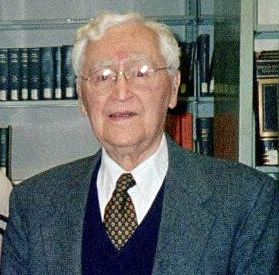
Bruce Manning Metzger (February 9, 1914 – February 13, 2007) was an American biblical scholar and historian who spent his career at Princeton Theological Seminary. Metzger specialized in textual criticism and Bible translation and chaired committees for the Revised Standard Version and New Revised Standard Version. He served on the board of the American Bible Society and United Bible Societies. He was elected to the American Philosophical Society in 1986. Metzger is among the most influential New Testament scholars of the 20th century.
Metzger was born on February 9, 1914, in Middletown, Pennsylvania, and earned his BA in 1935 at Lebanon Valley College. He had strong academic training in Greek before enrolling in Princeton Seminary and in the summer prior to entering the Seminary he completed reading through the entire Bible consecutively for the twelfth time. He received his ThB in 1938 at Princeton Theological Seminary and in the autumn of that year began teaching at Princeton as a Teaching Fellow in New Testament Greek. On April 11, 1939, he was ordained in the United Presbyterian Church of North America, which has since merged with the Presbyterian Church in the United States of America (PCUSA) and is now known as the Presbyterian Church (USA). In 1940 he earned his MA from Princeton University and became an instructor in New Testament. Two years later he earned his PhD, "Studies in a Greek Gospel Lectionary (Greg. 303)", also from Princeton University.
In 1944 Metzger married Isobel Elizabeth Mackay, daughter of the third president of the Seminary, Scottish theologian John A. Mackay. That year he was promoted to assistant professor. In 1948 he became associate professor and in 1954 he was named full professor. In 1964 Metzger became the George L. Collord Professor of New Testament Language and Literature. In 1969 he was elected to membership in the Catholic Biblical Association. In 1971 he served as president of both the Studiorum Novi Testamenti Societas and the Society of Biblical Literature. The following year he became president of the North American Patristic Society. Metzger was visiting fellow at Clare Hall, Cambridge in 1974 and at Wolfson College, Oxford in 1979. In 1978 he was elected corresponding fellow of the British Academy, the academy's highest distinction for persons who are not residents in the United Kingdom. In 1986 Metzger became a member of the American Philosophical Society. At the age of seventy, after teaching at Princeton Theological Seminary for forty-six years, he retired as professor Emeritus.
In 1994 Bruce Metzger was honored with the Burkitt Medal for Biblical Studies by the British Academy. He was awarded honorary doctorates from Lebanon Valley College, Findlay College, the University of St Andrews, the University of Münster and Potchefstroom University. "Metzger's unrivaled knowledge of the relevant languages, ancient and modern; his balanced judgment; and his painstaking attention to detail won him respect across the theological and academic spectrum." Conservative evangelical scholar Daniel B. Wallace described Metzger as "a fine, godly, conservative scholar, although his view of biblical authority is not quite the same as many other evangelicals."
Shortly after his 93rd birthday, Metzger died in Princeton, New Jersey, on February 13, 2007. He was survived by his wife Isobel, who died at the age of 98 on July 27, 2016, in Princeton, New Jersey, as well as their two sons, John Mackay Metzger and Dr. James Bruce Metzger (1952–2020).
Metzger edited and provided commentary for many Bible translations and wrote dozens of books. He was an editor of the United Bible Societies' standard Greek New Testament, the starting point for nearly all recent New Testament translations. In 1952 he became a contributor to the Revised Standard Version (RSV) of the Bible and served as general editor of the Reader's Digest Bible (a condensed version of the RSV) in 1982. From 1977 to 1990 he chaired the Committee on Translators for the New Revised Standard Version (NRSV) of the Bible and was "largely responsible for ... seeing [the NRSV] through the press." He considered it a privilege to present the NRSV, which includes the books referred to as Apocrypha by Protestants, though Roman Catholics and Eastern Orthodox consider them deuterocanonical, to Pope John Paul II and Patriarch Demetrius I of Constantinople. Metzger served on the boards of the American Bible Society and United Bible Societies.
Central to his scholarly contribution to New Testament studies is his trilogy The Text of the New Testament: Its Transmission, Corruption, and Restoration (1964; 2nd ed., 1968; 3rd enlarged ed., 1992), The Early Versions of the New Testament: Their Origin, Transmission, and Limitations (1977), and The Canon of the New Testament: Its Origin, Development, and Significance (1987). The first volume of the series that he founded and edited, New Testament Tools and Studies, appeared in 1960.
Metzger's commentaries often use historical criticism and higher criticism, which attempt to explain the literary and historical origins of the Bible and the biblical canon. He wrote that the early church saw it as very important that a work describing Jesus' life be written by a follower of or an eyewitness to Jesus and considered other works such as The Shepherd of Hermas and the Epistles of Clement to be inspired but not canonical.
Hub AI
Bruce M. Metzger AI simulator
(@Bruce M. Metzger_simulator)
Bruce M. Metzger
Bruce Manning Metzger (February 9, 1914 – February 13, 2007) was an American biblical scholar and historian who spent his career at Princeton Theological Seminary. Metzger specialized in textual criticism and Bible translation and chaired committees for the Revised Standard Version and New Revised Standard Version. He served on the board of the American Bible Society and United Bible Societies. He was elected to the American Philosophical Society in 1986. Metzger is among the most influential New Testament scholars of the 20th century.
Metzger was born on February 9, 1914, in Middletown, Pennsylvania, and earned his BA in 1935 at Lebanon Valley College. He had strong academic training in Greek before enrolling in Princeton Seminary and in the summer prior to entering the Seminary he completed reading through the entire Bible consecutively for the twelfth time. He received his ThB in 1938 at Princeton Theological Seminary and in the autumn of that year began teaching at Princeton as a Teaching Fellow in New Testament Greek. On April 11, 1939, he was ordained in the United Presbyterian Church of North America, which has since merged with the Presbyterian Church in the United States of America (PCUSA) and is now known as the Presbyterian Church (USA). In 1940 he earned his MA from Princeton University and became an instructor in New Testament. Two years later he earned his PhD, "Studies in a Greek Gospel Lectionary (Greg. 303)", also from Princeton University.
In 1944 Metzger married Isobel Elizabeth Mackay, daughter of the third president of the Seminary, Scottish theologian John A. Mackay. That year he was promoted to assistant professor. In 1948 he became associate professor and in 1954 he was named full professor. In 1964 Metzger became the George L. Collord Professor of New Testament Language and Literature. In 1969 he was elected to membership in the Catholic Biblical Association. In 1971 he served as president of both the Studiorum Novi Testamenti Societas and the Society of Biblical Literature. The following year he became president of the North American Patristic Society. Metzger was visiting fellow at Clare Hall, Cambridge in 1974 and at Wolfson College, Oxford in 1979. In 1978 he was elected corresponding fellow of the British Academy, the academy's highest distinction for persons who are not residents in the United Kingdom. In 1986 Metzger became a member of the American Philosophical Society. At the age of seventy, after teaching at Princeton Theological Seminary for forty-six years, he retired as professor Emeritus.
In 1994 Bruce Metzger was honored with the Burkitt Medal for Biblical Studies by the British Academy. He was awarded honorary doctorates from Lebanon Valley College, Findlay College, the University of St Andrews, the University of Münster and Potchefstroom University. "Metzger's unrivaled knowledge of the relevant languages, ancient and modern; his balanced judgment; and his painstaking attention to detail won him respect across the theological and academic spectrum." Conservative evangelical scholar Daniel B. Wallace described Metzger as "a fine, godly, conservative scholar, although his view of biblical authority is not quite the same as many other evangelicals."
Shortly after his 93rd birthday, Metzger died in Princeton, New Jersey, on February 13, 2007. He was survived by his wife Isobel, who died at the age of 98 on July 27, 2016, in Princeton, New Jersey, as well as their two sons, John Mackay Metzger and Dr. James Bruce Metzger (1952–2020).
Metzger edited and provided commentary for many Bible translations and wrote dozens of books. He was an editor of the United Bible Societies' standard Greek New Testament, the starting point for nearly all recent New Testament translations. In 1952 he became a contributor to the Revised Standard Version (RSV) of the Bible and served as general editor of the Reader's Digest Bible (a condensed version of the RSV) in 1982. From 1977 to 1990 he chaired the Committee on Translators for the New Revised Standard Version (NRSV) of the Bible and was "largely responsible for ... seeing [the NRSV] through the press." He considered it a privilege to present the NRSV, which includes the books referred to as Apocrypha by Protestants, though Roman Catholics and Eastern Orthodox consider them deuterocanonical, to Pope John Paul II and Patriarch Demetrius I of Constantinople. Metzger served on the boards of the American Bible Society and United Bible Societies.
Central to his scholarly contribution to New Testament studies is his trilogy The Text of the New Testament: Its Transmission, Corruption, and Restoration (1964; 2nd ed., 1968; 3rd enlarged ed., 1992), The Early Versions of the New Testament: Their Origin, Transmission, and Limitations (1977), and The Canon of the New Testament: Its Origin, Development, and Significance (1987). The first volume of the series that he founded and edited, New Testament Tools and Studies, appeared in 1960.
Metzger's commentaries often use historical criticism and higher criticism, which attempt to explain the literary and historical origins of the Bible and the biblical canon. He wrote that the early church saw it as very important that a work describing Jesus' life be written by a follower of or an eyewitness to Jesus and considered other works such as The Shepherd of Hermas and the Epistles of Clement to be inspired but not canonical.
Recent media