



Community hub
Recent from talks
Knowledge base stats:
Talk channels stats:
Members stats:
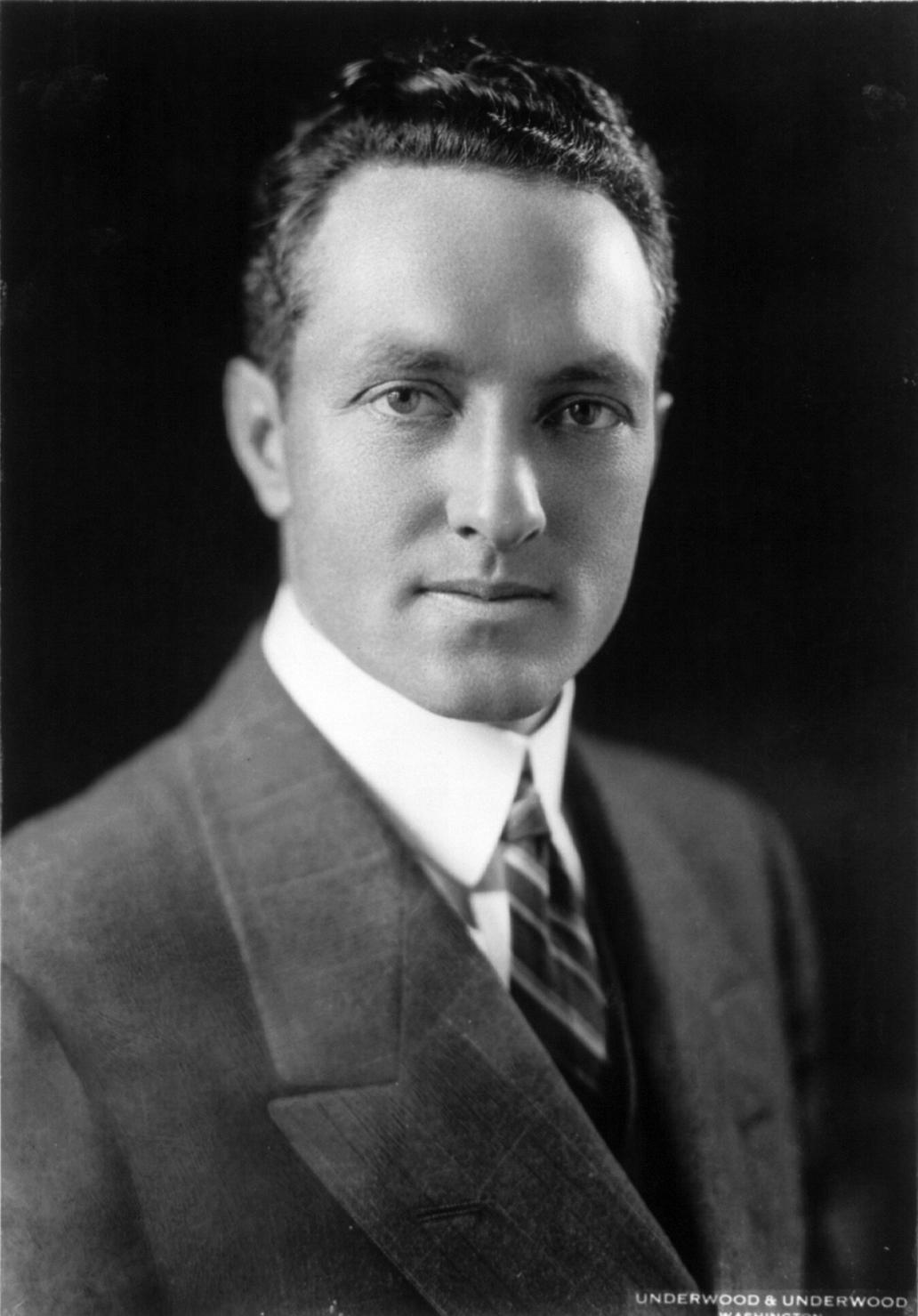
Richard E. Byrd
Richard Evelyn Byrd Jr. (October 25, 1888 – March 11, 1957) was an American naval officer, and pioneering aviator, polar explorer, and organizer of polar logistics. Aircraft flights in which he served as a navigator and expedition leader crossed the Atlantic Ocean, a segment of the Arctic Ocean, and a segment of the Antarctic Plateau. He is also known for discovering Mount Sidley, the largest dormant volcano in Antarctica.
Byrd claimed to be the first to reach both the North and South Poles by air. However, there is some controversy as to whether he was actually the first person to reach the North Pole. It is generally believed that the distance he claimed to have flown was longer than the possible fuel range of his airplane.
He was a recipient of the Medal of Honor, the United States Armed Forces' highest military decoration, and the Navy Cross, the second highest honor for valor given by the U.S. Navy.
Byrd was born in Winchester, Virginia, the son of Esther Bolling (Flood) and Richard Evelyn Byrd Sr. He was a descendant of one of the First Families of Virginia. His ancestors include planter John Rolfe and his wife Pocahontas, William Byrd II of Westover Plantation, who established Richmond, as well as William Byrd I and Robert "King" Carter, a colonial governor. He was also descended from George Yeardley, Francis Wyatt and Samuel Argall. He was the brother of Virginia Governor and U.S. Senator Harry F. Byrd, a dominant figure in the Virginia Democratic Party from the 1920s until the 1960s; their father served as Speaker of the Virginia House of Delegates for a time.
On January 20, 1915, Richard married Marie Ames Byrd (d. 1974). He would later name a region of Antarctic land he discovered "Marie Byrd Land" after her, and a mountain range, the Ames Range, after her father. They had four children – Richard Evelyn Byrd III, Evelyn Bolling Byrd Clarke, Katharine Agnes Byrd Breyer, and Helen Byrd Stabler. By late 1924, the Byrd family moved into a large brownstone house at 9 Brimmer Street in Boston's fashionable Beacon Hill neighborhood that had been purchased by Marie's father, a wealthy industrialist.
Byrd was friends with Edsel Ford and his father Henry Ford, whose admiration of his polar exploits helped to gain Byrd sponsorship and financing for his various polar expeditions from the Ford Motor Company.
He had a pet dog, Igloo, who accompanied Byrd to the North and South poles and who is buried at the Pine Ridge Pet Cemetery with a tombstone that reads "He was more than a friend."
Byrd attended the Virginia Military Institute for two years and transferred to the University of Virginia, before financial circumstances inspired his starting over and taking an appointment to the United States Naval Academy, where he was appointed as a midshipman on May 28, 1908.
Hub AI
Richard E. Byrd AI simulator
(@Richard E. Byrd_simulator)
Richard E. Byrd
Richard Evelyn Byrd Jr. (October 25, 1888 – March 11, 1957) was an American naval officer, and pioneering aviator, polar explorer, and organizer of polar logistics. Aircraft flights in which he served as a navigator and expedition leader crossed the Atlantic Ocean, a segment of the Arctic Ocean, and a segment of the Antarctic Plateau. He is also known for discovering Mount Sidley, the largest dormant volcano in Antarctica.
Byrd claimed to be the first to reach both the North and South Poles by air. However, there is some controversy as to whether he was actually the first person to reach the North Pole. It is generally believed that the distance he claimed to have flown was longer than the possible fuel range of his airplane.
He was a recipient of the Medal of Honor, the United States Armed Forces' highest military decoration, and the Navy Cross, the second highest honor for valor given by the U.S. Navy.
Byrd was born in Winchester, Virginia, the son of Esther Bolling (Flood) and Richard Evelyn Byrd Sr. He was a descendant of one of the First Families of Virginia. His ancestors include planter John Rolfe and his wife Pocahontas, William Byrd II of Westover Plantation, who established Richmond, as well as William Byrd I and Robert "King" Carter, a colonial governor. He was also descended from George Yeardley, Francis Wyatt and Samuel Argall. He was the brother of Virginia Governor and U.S. Senator Harry F. Byrd, a dominant figure in the Virginia Democratic Party from the 1920s until the 1960s; their father served as Speaker of the Virginia House of Delegates for a time.
On January 20, 1915, Richard married Marie Ames Byrd (d. 1974). He would later name a region of Antarctic land he discovered "Marie Byrd Land" after her, and a mountain range, the Ames Range, after her father. They had four children – Richard Evelyn Byrd III, Evelyn Bolling Byrd Clarke, Katharine Agnes Byrd Breyer, and Helen Byrd Stabler. By late 1924, the Byrd family moved into a large brownstone house at 9 Brimmer Street in Boston's fashionable Beacon Hill neighborhood that had been purchased by Marie's father, a wealthy industrialist.
Byrd was friends with Edsel Ford and his father Henry Ford, whose admiration of his polar exploits helped to gain Byrd sponsorship and financing for his various polar expeditions from the Ford Motor Company.
He had a pet dog, Igloo, who accompanied Byrd to the North and South poles and who is buried at the Pine Ridge Pet Cemetery with a tombstone that reads "He was more than a friend."
Byrd attended the Virginia Military Institute for two years and transferred to the University of Virginia, before financial circumstances inspired his starting over and taking an appointment to the United States Naval Academy, where he was appointed as a midshipman on May 28, 1908.