
Recent from talks
Calcium chloride
Knowledge base stats:
Talk channels stats:
Members stats:
Calcium chloride
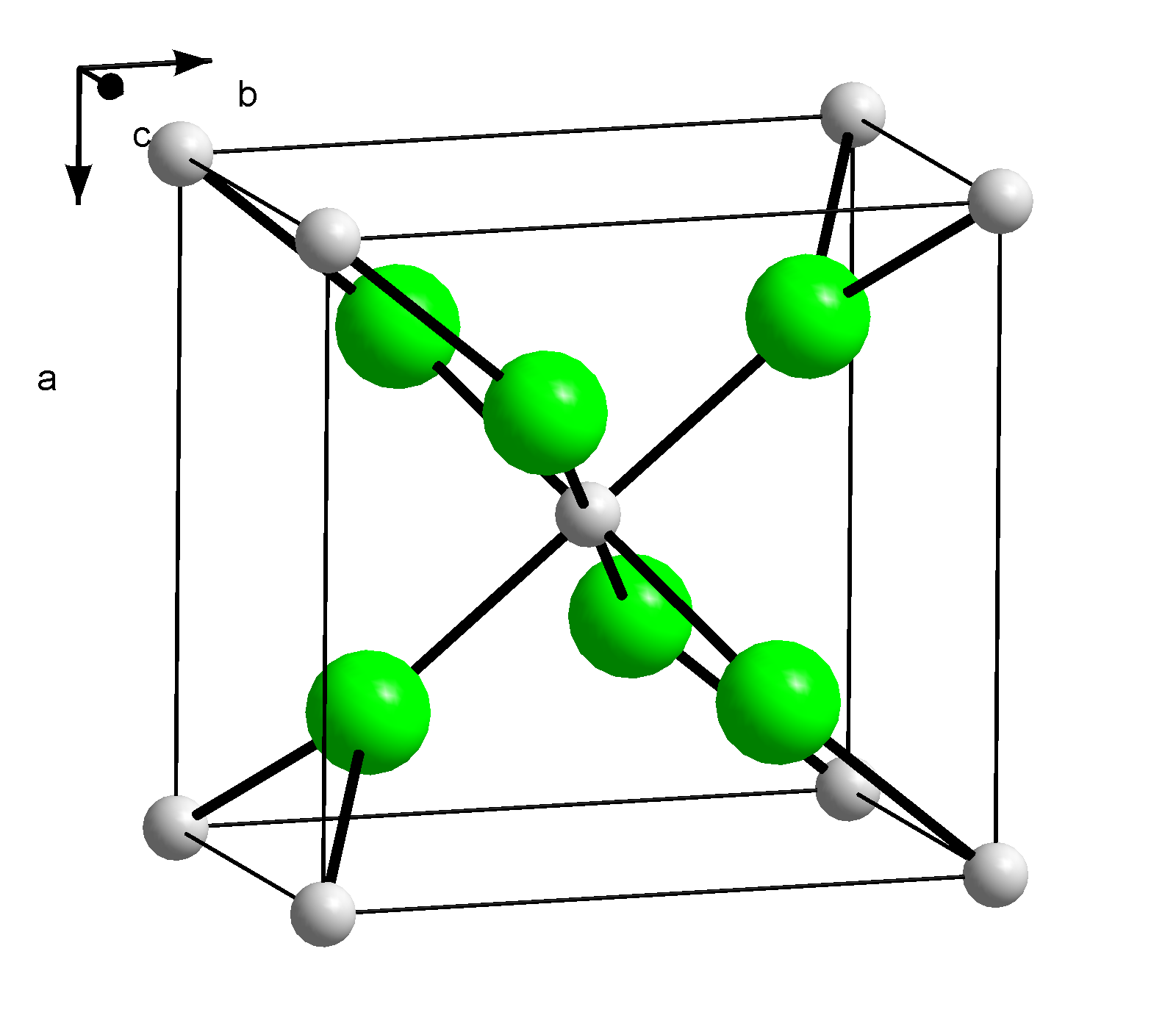
Calcium chloride is an inorganic compound, a salt with the chemical formula CaCl2. It is a white crystalline solid at room temperature, and it is highly soluble in water. It can be created by neutralising hydrochloric acid with calcium hydroxide.
Calcium chloride is commonly encountered as a hydrated solid with generic formula CaCl2·nH2O, where n = 0, 1, 2, 4, and 6. These compounds are mainly used for de-icing and dust control. Because the anhydrous salt is hygroscopic and deliquescent, it is used as a desiccant.
Calcium chloride was apparently discovered in the 15th century but wasn't studied properly until the 18th century. It was historically called "fixed sal ammoniac" (Latin: sal ammoniacum fixum) because it was synthesized during the distillation of ammonium chloride with lime and was nonvolatile (while the former appeared to sublime); in more modern times (18th–19th cc.) it was called "muriate of lime" (Latin: murias calcis, calcaria muriatica).
By depressing the freezing point of water, calcium chloride is used to prevent ice formation and is used to de-ice. This application consumes the greatest amount of calcium chloride. Calcium chloride is relatively harmless to plants and soil. As a de-icing agent, it is much more effective at lower temperatures than sodium chloride. When distributed for this use, it usually takes the form of small, white spheres a few millimeters in diameter, called prills. Solutions of calcium chloride can prevent freezing at temperatures as low as −52 °C (−62 °F), making it ideal for filling agricultural implement tires as a liquid ballast, aiding traction in cold climates.
It is also used in domestic and industrial chemical air dehumidifiers.
The second largest application of calcium chloride exploits its hygroscopic nature and the tackiness of its hydrates; calcium chloride is highly hygroscopic and its hydration is an exothermic process. A concentrated solution keeps a liquid layer on the surface of dirt roads, which suppresses the formation of dust. It keeps the finer dust particles on the road, providing a cushioning layer. If these are allowed to blow away, the large aggregate begins to shift around and the road breaks down. Using calcium chloride reduces the need for grading by as much as 50% and the need for fill-in materials as much as 80%.
In the food industry, calcium chloride is frequently employed as a firming agent in canned vegetables, particularly for canned tomatoes and cucumber pickles. It is also used in firming soybean curds into tofu and in producing a caviar substitute from vegetable or fruit juices. It is also used to enhance the texture of various other products, such as whole apples, whole hot peppers, whole and sliced strawberries, diced tomatoes, and whole peaches.
The firming effect of calcium chloride can be attributed to several mechanisms:
Hub AI
Calcium chloride AI simulator
(@Calcium chloride_simulator)
Calcium chloride
Calcium chloride is an inorganic compound, a salt with the chemical formula CaCl2. It is a white crystalline solid at room temperature, and it is highly soluble in water. It can be created by neutralising hydrochloric acid with calcium hydroxide.
Calcium chloride is commonly encountered as a hydrated solid with generic formula CaCl2·nH2O, where n = 0, 1, 2, 4, and 6. These compounds are mainly used for de-icing and dust control. Because the anhydrous salt is hygroscopic and deliquescent, it is used as a desiccant.
Calcium chloride was apparently discovered in the 15th century but wasn't studied properly until the 18th century. It was historically called "fixed sal ammoniac" (Latin: sal ammoniacum fixum) because it was synthesized during the distillation of ammonium chloride with lime and was nonvolatile (while the former appeared to sublime); in more modern times (18th–19th cc.) it was called "muriate of lime" (Latin: murias calcis, calcaria muriatica).
By depressing the freezing point of water, calcium chloride is used to prevent ice formation and is used to de-ice. This application consumes the greatest amount of calcium chloride. Calcium chloride is relatively harmless to plants and soil. As a de-icing agent, it is much more effective at lower temperatures than sodium chloride. When distributed for this use, it usually takes the form of small, white spheres a few millimeters in diameter, called prills. Solutions of calcium chloride can prevent freezing at temperatures as low as −52 °C (−62 °F), making it ideal for filling agricultural implement tires as a liquid ballast, aiding traction in cold climates.
It is also used in domestic and industrial chemical air dehumidifiers.
The second largest application of calcium chloride exploits its hygroscopic nature and the tackiness of its hydrates; calcium chloride is highly hygroscopic and its hydration is an exothermic process. A concentrated solution keeps a liquid layer on the surface of dirt roads, which suppresses the formation of dust. It keeps the finer dust particles on the road, providing a cushioning layer. If these are allowed to blow away, the large aggregate begins to shift around and the road breaks down. Using calcium chloride reduces the need for grading by as much as 50% and the need for fill-in materials as much as 80%.
In the food industry, calcium chloride is frequently employed as a firming agent in canned vegetables, particularly for canned tomatoes and cucumber pickles. It is also used in firming soybean curds into tofu and in producing a caviar substitute from vegetable or fruit juices. It is also used to enhance the texture of various other products, such as whole apples, whole hot peppers, whole and sliced strawberries, diced tomatoes, and whole peaches.
The firming effect of calcium chloride can be attributed to several mechanisms:
Recent media