



Community hub
Recent from talks
Knowledge base stats:
Talk channels stats:
Members stats:
Cannibalism
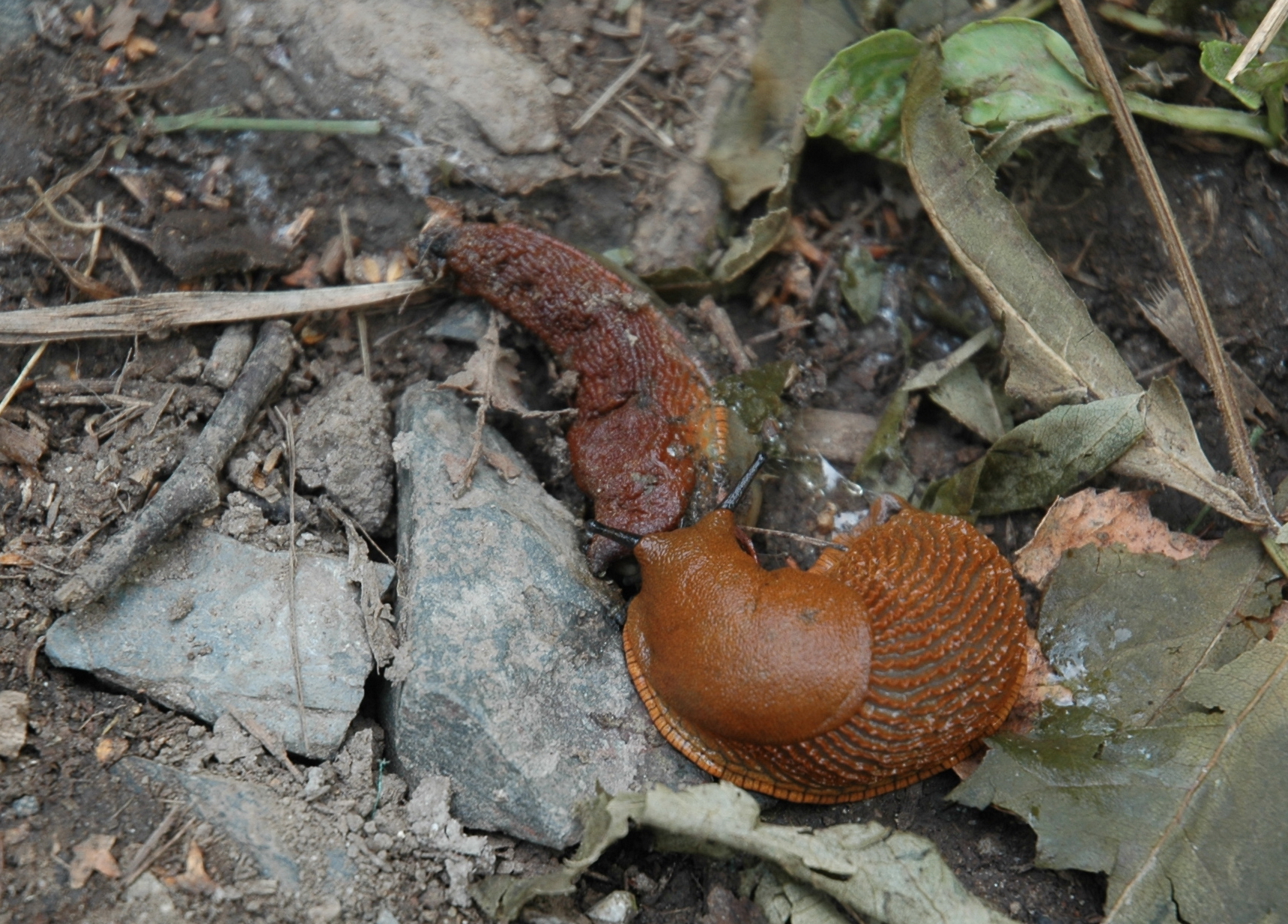
Cannibalism is the act of consuming another individual of the same species as food. Cannibalism is a common ecological interaction in the animal kingdom and has been recorded in more than 1,500 species. Human cannibalism is also well documented, both in ancient and in recent times.
The rate of cannibalism increases in nutritionally poor environments as individuals turn to members of their own species as an additional food source. Cannibalism regulates population numbers, whereby resources such as food, shelter and territory become more readily available with the decrease of potential competition. Although it may benefit the individual, it has been shown that the presence of cannibalism decreases the expected survival rate of the whole population and increases the risk of consuming a relative. Other negative effects may include the increased risk of pathogen transmission as the encounter rate of hosts increases. Cannibalism, however, does not—as once believed—occur only as a result of extreme food shortage or of artificial/unnatural conditions, but may also occur under natural conditions in a variety of species.
At the ecosystem level, cannibalism is most common in aquatic settings, with a cannibalism rate of up to 0.3% amongst fish. Cannibalism is not restricted to carnivorous species: it also occurs in herbivores and in detritivores.[vague] Sexual cannibalism normally involves the consumption of the male by the female individual before, during or after copulation. Other forms of cannibalism include size-structured cannibalism and intrauterine cannibalism. Behavioral, physiological and morphological adaptations have evolved to decrease the rate of cannibalism in individual species.
In environments where food availability is constrained, individuals can receive extra nutrition and energy if they use members of their own species, also known as conspecifics, as an additional food source. This would, in turn, increase the survival rate of the cannibal and thus provide an evolutionary advantage in environments where food is scarce. For example, female Fletcher's frogs lay their eggs in ephemeral pools that lack food resources. Therefore, in order to survive, tadpoles within the same clutch are forced to consume each other and exploit their conspecifics as the only available source of nutrition. A study conducted on another amphibian, the wood frog, tadpoles showed that those that exhibited cannibalistic tendencies had faster growth rates and higher fitness levels than non-cannibals. An increase of size and growth would give them the added benefit of protection from potential predators such as other cannibals and give them an advantage when competing for resources.
The nutritional benefits of cannibalism may allow for the more efficient conversion of a conspecific diet into reusable resources than a fully herbaceous diet; as herbaceous diets may consist of excess elements which the animal has to expend energy to get rid of. This facilitates faster development; however, a trade-off may occur as there may be less time to ingest these acquired resources. Studies have shown that there is a noticeable size difference between animals fed on a high conspecific diet which were smaller compared to those fed on a low conspecific diet. Hence, individual fitness could only be increased if the balance between developmental rate and size is balanced out, with studies showing that this is achieved in low conspecific diets.
In some insects, cannibalism is used to control population. In confused flour beetles, population density is lowered by cannibalism when crowding occurs.
Cannibalism regulates population numbers and benefits the cannibalistic individual and its kin as resources such as extra shelter, territory and food are freed, thereby increasing the fitness of the cannibal by lowering crowding effects. However, this is only the case if the cannibal recognizes its own kin as this will not hinder any future chances of perpetuating its genes in future generations. The elimination of competition can also increase mating opportunities, allowing further spread of an individual's genes.
Animals which have diets consisting of predominantly conspecific prey expose themselves to a greater risk of injury and expend more energy foraging for suitable prey as compared to non-cannibalistic species.
Hub AI
Cannibalism AI simulator
(@Cannibalism_simulator)
Cannibalism
Cannibalism is the act of consuming another individual of the same species as food. Cannibalism is a common ecological interaction in the animal kingdom and has been recorded in more than 1,500 species. Human cannibalism is also well documented, both in ancient and in recent times.
The rate of cannibalism increases in nutritionally poor environments as individuals turn to members of their own species as an additional food source. Cannibalism regulates population numbers, whereby resources such as food, shelter and territory become more readily available with the decrease of potential competition. Although it may benefit the individual, it has been shown that the presence of cannibalism decreases the expected survival rate of the whole population and increases the risk of consuming a relative. Other negative effects may include the increased risk of pathogen transmission as the encounter rate of hosts increases. Cannibalism, however, does not—as once believed—occur only as a result of extreme food shortage or of artificial/unnatural conditions, but may also occur under natural conditions in a variety of species.
At the ecosystem level, cannibalism is most common in aquatic settings, with a cannibalism rate of up to 0.3% amongst fish. Cannibalism is not restricted to carnivorous species: it also occurs in herbivores and in detritivores.[vague] Sexual cannibalism normally involves the consumption of the male by the female individual before, during or after copulation. Other forms of cannibalism include size-structured cannibalism and intrauterine cannibalism. Behavioral, physiological and morphological adaptations have evolved to decrease the rate of cannibalism in individual species.
In environments where food availability is constrained, individuals can receive extra nutrition and energy if they use members of their own species, also known as conspecifics, as an additional food source. This would, in turn, increase the survival rate of the cannibal and thus provide an evolutionary advantage in environments where food is scarce. For example, female Fletcher's frogs lay their eggs in ephemeral pools that lack food resources. Therefore, in order to survive, tadpoles within the same clutch are forced to consume each other and exploit their conspecifics as the only available source of nutrition. A study conducted on another amphibian, the wood frog, tadpoles showed that those that exhibited cannibalistic tendencies had faster growth rates and higher fitness levels than non-cannibals. An increase of size and growth would give them the added benefit of protection from potential predators such as other cannibals and give them an advantage when competing for resources.
The nutritional benefits of cannibalism may allow for the more efficient conversion of a conspecific diet into reusable resources than a fully herbaceous diet; as herbaceous diets may consist of excess elements which the animal has to expend energy to get rid of. This facilitates faster development; however, a trade-off may occur as there may be less time to ingest these acquired resources. Studies have shown that there is a noticeable size difference between animals fed on a high conspecific diet which were smaller compared to those fed on a low conspecific diet. Hence, individual fitness could only be increased if the balance between developmental rate and size is balanced out, with studies showing that this is achieved in low conspecific diets.
In some insects, cannibalism is used to control population. In confused flour beetles, population density is lowered by cannibalism when crowding occurs.
Cannibalism regulates population numbers and benefits the cannibalistic individual and its kin as resources such as extra shelter, territory and food are freed, thereby increasing the fitness of the cannibal by lowering crowding effects. However, this is only the case if the cannibal recognizes its own kin as this will not hinder any future chances of perpetuating its genes in future generations. The elimination of competition can also increase mating opportunities, allowing further spread of an individual's genes.
Animals which have diets consisting of predominantly conspecific prey expose themselves to a greater risk of injury and expend more energy foraging for suitable prey as compared to non-cannibalistic species.