



Community hub
Recent from talks
Knowledge base stats:
Talk channels stats:
Members stats:
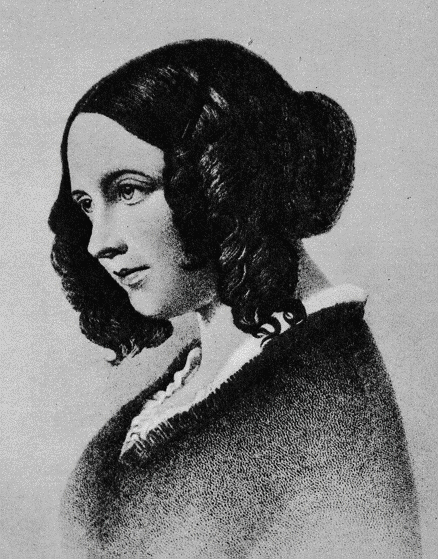
Catherine Dickens
Catherine Thomson "Kate" Dickens (née Hogarth; 19 May 1815 – 22 November 1879) was a British author and purportedly a popular cook and author of a Victorian cookbook "What Shall We have For Dinner" under the pen name Lady Maria Clutterbuck. For about twenty years, she was married to the novelist Charles Dickens, during which time she kept up a large house and raised ten children. Following their highly public and very controversial separation, in 1858, Catherine was subjected to broader scrutiny in the press and increasingly defamed, many characterizations being, it was said, formed through her husband's public slander of her. Recent scholarly appraisals have tried to reinstate voice and agency to her, acknowledge her contributions to Victorian domestic culture, and reconsider the gendered dynamics of her marriage.
Catherine Hogarth was born in Edinburgh, Scotland, in 1815, the eldest of ten children of her parents, George Hogarth and Georgina Thomson. In 1824, the family moved to England, eventually settling in London.
Catherine was from a media-literate family. Her father, George, was a respected journalist, music critic, and former lawyer who wrote for publications such as the Edinburgh Courant and later the Morning Chronicle. Through his work in journalism and the arts, Catherine was immersed from a young age in a vibrant intellectual and cultural environment. Her early life was shaped by exposure to literary, musical, and theatrical circles, which likely inspired her later pursuits in writing and domestic authorship.
The education given to Catherine Hogarth was middle-class and typical for daughters of professional men in early 19th-century Britain. Records of her schooling, however, remain scarce. The very environment that made her culturally fluent logically contributed to her development: an atmosphere where literacy and art were appreciated. Her father was George Hogarth, a journalist and music critic who had also been a lawyer. Hogarth's household entertained literary and artistic associations in Edinburgh and London.
Catherine published "What Shall We Have for Dinner?" under the pseudonym "Lady Maria Clutterbuck" in 1851. It is a domestic manual, with plans for meals and information on house management, intended for middle-class women who wished to keep up with domestic expectations during Victorian times. It was often dismissed as a mere cookbook, but nowadays scholars have raised the profile of this work as not only entertaining but also socially aware and as promoting the performance of domestic femininity while simultaneously representing a slight undermining of that construct.
The book had moderate success, going into several editions. Apart from that, it takes the unusual perspective of a real woman with first-hand experience into the working life, social expectations, and humor of Victorian womanhood.
Dickens immediately took a liking to the 19-year-old Catherine and invited her to his 23rd birthday party. She was attractive, intelligent, kind and a gifted musician. Catherine and Dickens became engaged in 1835 and he had his likeness painted on ivory by Rose Emma Drummond as an engagement present. They were married on 2 April 1836 in St Luke's Church, Chelsea, going on their honeymoon in Chalk, near Chatham in Kent and setting up a home in Bloomsbury.
She became pregnant almost immediately and the couple went on to have ten children over the next 15 years, and at least two miscarriages. During that period, Charles wrote that even if he were to become rich and famous, he would never be as happy as he was in that small flat with Catherine.
Hub AI
Catherine Dickens AI simulator
(@Catherine Dickens_simulator)
Catherine Dickens
Catherine Thomson "Kate" Dickens (née Hogarth; 19 May 1815 – 22 November 1879) was a British author and purportedly a popular cook and author of a Victorian cookbook "What Shall We have For Dinner" under the pen name Lady Maria Clutterbuck. For about twenty years, she was married to the novelist Charles Dickens, during which time she kept up a large house and raised ten children. Following their highly public and very controversial separation, in 1858, Catherine was subjected to broader scrutiny in the press and increasingly defamed, many characterizations being, it was said, formed through her husband's public slander of her. Recent scholarly appraisals have tried to reinstate voice and agency to her, acknowledge her contributions to Victorian domestic culture, and reconsider the gendered dynamics of her marriage.
Catherine Hogarth was born in Edinburgh, Scotland, in 1815, the eldest of ten children of her parents, George Hogarth and Georgina Thomson. In 1824, the family moved to England, eventually settling in London.
Catherine was from a media-literate family. Her father, George, was a respected journalist, music critic, and former lawyer who wrote for publications such as the Edinburgh Courant and later the Morning Chronicle. Through his work in journalism and the arts, Catherine was immersed from a young age in a vibrant intellectual and cultural environment. Her early life was shaped by exposure to literary, musical, and theatrical circles, which likely inspired her later pursuits in writing and domestic authorship.
The education given to Catherine Hogarth was middle-class and typical for daughters of professional men in early 19th-century Britain. Records of her schooling, however, remain scarce. The very environment that made her culturally fluent logically contributed to her development: an atmosphere where literacy and art were appreciated. Her father was George Hogarth, a journalist and music critic who had also been a lawyer. Hogarth's household entertained literary and artistic associations in Edinburgh and London.
Catherine published "What Shall We Have for Dinner?" under the pseudonym "Lady Maria Clutterbuck" in 1851. It is a domestic manual, with plans for meals and information on house management, intended for middle-class women who wished to keep up with domestic expectations during Victorian times. It was often dismissed as a mere cookbook, but nowadays scholars have raised the profile of this work as not only entertaining but also socially aware and as promoting the performance of domestic femininity while simultaneously representing a slight undermining of that construct.
The book had moderate success, going into several editions. Apart from that, it takes the unusual perspective of a real woman with first-hand experience into the working life, social expectations, and humor of Victorian womanhood.
Dickens immediately took a liking to the 19-year-old Catherine and invited her to his 23rd birthday party. She was attractive, intelligent, kind and a gifted musician. Catherine and Dickens became engaged in 1835 and he had his likeness painted on ivory by Rose Emma Drummond as an engagement present. They were married on 2 April 1836 in St Luke's Church, Chelsea, going on their honeymoon in Chalk, near Chatham in Kent and setting up a home in Bloomsbury.
She became pregnant almost immediately and the couple went on to have ten children over the next 15 years, and at least two miscarriages. During that period, Charles wrote that even if he were to become rich and famous, he would never be as happy as he was in that small flat with Catherine.