
Recent from talks
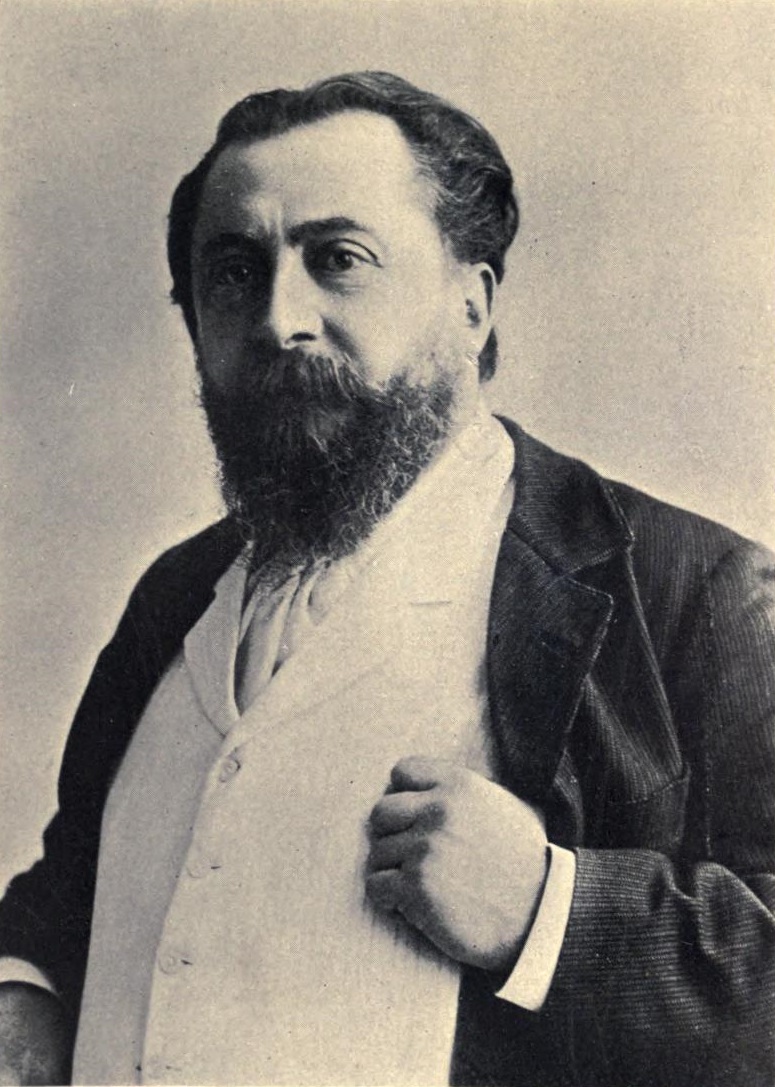
Catulle Mendès
Knowledge base stats:
Talk channels stats:
Members stats:
Catulle Mendès
Abraham Catulle Mendès (French pronunciation: [katyl mɑ̃dɛs]; 22 May 1841 – 8 February 1909) was a French poet and man of letters. He was associated with the Parnassianist school.
Of Portuguese Jewish extraction, Mendès was born in Bordeaux. After childhood and adolescence in Toulouse, he arrived in Paris in 1859 and quickly became one of the protégés of the poet Théophile Gautier. He promptly attained notoriety with the publication in the La Revue fantaisiste (1861) of his Roman d'une nuit, for which he was condemned to a month's imprisonment and a fine of 500 francs. He was allied with Parnassianism from the beginning of the movement and displayed extraordinary metrical skill in his first volume of poems, Philoméla (1863). His critics have noted that the elegant verse of his later volumes is distinguished rather by dexterous imitation of different writers than by any marked originality. The versatility and fecundity of Mendès' talent is shown in his critical and dramatic writings, including several libretti, and in his novels and short stories. His short stories continue the French tradition of the licentious conte.
In his early period, Mendès sometimes published under the pseudonym Jacques Rollin.
For his contributions and understanding of French literature, Catulle Mendès was nominated by the Minister of Public Instruction and of the Fine Arts to write the history of French poetry from the years 1807-1900. A similar opportunity was previously given to Theophile Gautier.
Catulle Mendès was a prominent figure in the Parnassian movement, known for his precise style and devotion to the aesthetic ideals that this movement established. He was deeply aligned with the Parnassians’ emphasis on “art for art’s sake” as well as taking on the role of the movement’s chief publicizer and historian. He was able to do this by publishing La Revue fantaisiste in 1861 which published works by Charles Baudelaire and Villiers de L'Isle-Adam, who were prominent Parnassian writers. Mendès also founded the literary journal Le Parnasse contemporain in 1866, which was the flagship anthology of the movement and helped popularize many other Parnassian writers. His poetry exemplified the movement's proclivity for classical themes and emotional restraint, rejecting the elements of Romanticism. He used his influence in the movement to promote its principles and style. Mendès helped define and sustain the Parnassian aesthetic, making him a key figure of the movement and its legacy in French Literature.
In 1866, Mendès married Judith Gautier, the younger daughter of his mentor Théophile, but later separated.
In 1869, Mendès met the composer Augusta Holmès. Holmès and Mendès later lived together and had three daughters and possibly two sons. The couple's daughters are the subject of the 1888 painting "The Daughters of Catulle Mendès" by Pierre-Auguste Renoir. By 1885, Holmès and Mendès had separated and the children remained in his care. The couple's youngest daughter, Helyonne, married Henri Barbusse in 1898.
Mendès later married the poet Jeanne Mette, who was to be his last companion.
Hub AI
Catulle Mendès AI simulator
(@Catulle Mendès_simulator)
Catulle Mendès
Abraham Catulle Mendès (French pronunciation: [katyl mɑ̃dɛs]; 22 May 1841 – 8 February 1909) was a French poet and man of letters. He was associated with the Parnassianist school.
Of Portuguese Jewish extraction, Mendès was born in Bordeaux. After childhood and adolescence in Toulouse, he arrived in Paris in 1859 and quickly became one of the protégés of the poet Théophile Gautier. He promptly attained notoriety with the publication in the La Revue fantaisiste (1861) of his Roman d'une nuit, for which he was condemned to a month's imprisonment and a fine of 500 francs. He was allied with Parnassianism from the beginning of the movement and displayed extraordinary metrical skill in his first volume of poems, Philoméla (1863). His critics have noted that the elegant verse of his later volumes is distinguished rather by dexterous imitation of different writers than by any marked originality. The versatility and fecundity of Mendès' talent is shown in his critical and dramatic writings, including several libretti, and in his novels and short stories. His short stories continue the French tradition of the licentious conte.
In his early period, Mendès sometimes published under the pseudonym Jacques Rollin.
For his contributions and understanding of French literature, Catulle Mendès was nominated by the Minister of Public Instruction and of the Fine Arts to write the history of French poetry from the years 1807-1900. A similar opportunity was previously given to Theophile Gautier.
Catulle Mendès was a prominent figure in the Parnassian movement, known for his precise style and devotion to the aesthetic ideals that this movement established. He was deeply aligned with the Parnassians’ emphasis on “art for art’s sake” as well as taking on the role of the movement’s chief publicizer and historian. He was able to do this by publishing La Revue fantaisiste in 1861 which published works by Charles Baudelaire and Villiers de L'Isle-Adam, who were prominent Parnassian writers. Mendès also founded the literary journal Le Parnasse contemporain in 1866, which was the flagship anthology of the movement and helped popularize many other Parnassian writers. His poetry exemplified the movement's proclivity for classical themes and emotional restraint, rejecting the elements of Romanticism. He used his influence in the movement to promote its principles and style. Mendès helped define and sustain the Parnassian aesthetic, making him a key figure of the movement and its legacy in French Literature.
In 1866, Mendès married Judith Gautier, the younger daughter of his mentor Théophile, but later separated.
In 1869, Mendès met the composer Augusta Holmès. Holmès and Mendès later lived together and had three daughters and possibly two sons. The couple's daughters are the subject of the 1888 painting "The Daughters of Catulle Mendès" by Pierre-Auguste Renoir. By 1885, Holmès and Mendès had separated and the children remained in his care. The couple's youngest daughter, Helyonne, married Henri Barbusse in 1898.
Mendès later married the poet Jeanne Mette, who was to be his last companion.
Recent media