
Recent from talks
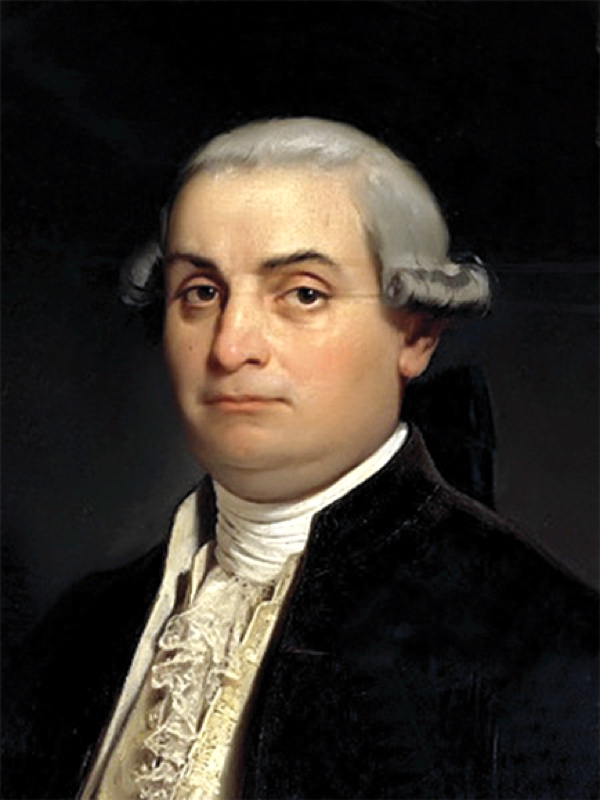
Cesare Beccaria
Knowledge base stats:
Talk channels stats:
Members stats:
Cesare Beccaria
Cesare Bonesana di Beccaria, Marquis of Gualdrasco and Villareggio (Italian: [ˈtʃeːzare bekkaˈriːa, ˈtʃɛː-]; 15 March 1738 – 28 November 1794) was an Italian criminologist, jurist, philosopher, economist, and politician who is widely considered one of the greatest thinkers of the Age of Enlightenment. He is well remembered for his treatise On Crimes and Punishments (1764), which condemned torture and the death penalty, and was a founding work in the field of penology and the classical school of criminology. Beccaria is considered the father of modern criminal law and the father of criminal justice.
According to John Bessler, Beccaria's works had a profound influence on the Founding Fathers of the United States.
Beccaria was born in Milan on 15 March 1738 to the Marchese Gian Beccaria Bonesana, an aristocrat of moderate standing from the Austrian Habsburg Empire. Beccaria received his early education in the Jesuit college at Parma. Subsequently, he graduated in law from the University of Pavia in 1758. At first he showed a great aptitude for mathematics, but studying Montesquieu (1689–1755) redirected his attention towards economics. In 1762 his first publication, a tract on the disorder of the currency in the Milanese states, included a proposal for its remedy.
In his mid-twenties, Beccaria became close friends with Pietro and Alessandro Verri, two brothers who with a number of other young men from the Milan aristocracy, formed a literary society named "L'Accademia dei pugni" (the Academy of Fists), a playful name which made fun of the stuffy academies that proliferated in Italy and also hinted that relaxed conversations which took place in there sometimes ended in affrays. Much of its discussion focused on reforming the criminal justice system. Through this group Beccaria became acquainted with French and British political philosophers, such as Diderot, Helvétius, Montesquieu, and Hume. He was particularly influenced by Helvétius.
Cesare Beccaria was best known for his book on crimes and punishments. In 1764, with the encouragement of Pietro Verri, Beccaria published a brief but celebrated treatise On Crimes and Punishments. Some background information was provided by Pietro, who was writing a text on the history of torture, and Alessandro Verri, a Milan prison official who had firsthand experience of the prison's appalling conditions. In this essay, Beccaria reflected the convictions of his friends in the Il Caffè (Coffee House) group, who sought reform through Enlightenment discourse.
Beccaria's treatise marked the high point of the Milan Enlightenment. In it, Beccaria put forth some of the first modern arguments against the death penalty. His treatise was also the first full work of penology, advocating reform of the criminal law system. The book was the first full-scale work to tackle criminal reform and to suggest that criminal justice should conform to rational principles. It is a less theoretical work than the writings of Hugo Grotius, Samuel von Pufendorf and other comparable thinkers, and as much a work of advocacy as of theory.
The brief work relentlessly protests against torture to obtain confessions, secret accusations, the arbitrary discretionary power of judges, the inconsistency and inequality of sentencing, using personal connections to get a lighter sentence, and the use of capital punishment for serious and even minor offences.
Almost immediately, the work was translated into French and English and went through several editions. Editions of Beccaria's text follow two distinct arrangements of the material: that by Beccaria himself, and that by French translator André Morellet (1765) who imposed a more systematic order. Morellet felt the Italian text required clarification, and therefore omitted parts, made some additions, and above all restructured the essay by moving, merging or splitting chapters. Because Beccaria indicated in a letter to Morellet that he fully agreed with him, scholars assumed that these adaptations also had Beccaria's consent in substance. The differences are so great, however, that Morellet’s version became quite another book than the book that Beccaria wrote.
Hub AI
Cesare Beccaria AI simulator
(@Cesare Beccaria_simulator)
Cesare Beccaria
Cesare Bonesana di Beccaria, Marquis of Gualdrasco and Villareggio (Italian: [ˈtʃeːzare bekkaˈriːa, ˈtʃɛː-]; 15 March 1738 – 28 November 1794) was an Italian criminologist, jurist, philosopher, economist, and politician who is widely considered one of the greatest thinkers of the Age of Enlightenment. He is well remembered for his treatise On Crimes and Punishments (1764), which condemned torture and the death penalty, and was a founding work in the field of penology and the classical school of criminology. Beccaria is considered the father of modern criminal law and the father of criminal justice.
According to John Bessler, Beccaria's works had a profound influence on the Founding Fathers of the United States.
Beccaria was born in Milan on 15 March 1738 to the Marchese Gian Beccaria Bonesana, an aristocrat of moderate standing from the Austrian Habsburg Empire. Beccaria received his early education in the Jesuit college at Parma. Subsequently, he graduated in law from the University of Pavia in 1758. At first he showed a great aptitude for mathematics, but studying Montesquieu (1689–1755) redirected his attention towards economics. In 1762 his first publication, a tract on the disorder of the currency in the Milanese states, included a proposal for its remedy.
In his mid-twenties, Beccaria became close friends with Pietro and Alessandro Verri, two brothers who with a number of other young men from the Milan aristocracy, formed a literary society named "L'Accademia dei pugni" (the Academy of Fists), a playful name which made fun of the stuffy academies that proliferated in Italy and also hinted that relaxed conversations which took place in there sometimes ended in affrays. Much of its discussion focused on reforming the criminal justice system. Through this group Beccaria became acquainted with French and British political philosophers, such as Diderot, Helvétius, Montesquieu, and Hume. He was particularly influenced by Helvétius.
Cesare Beccaria was best known for his book on crimes and punishments. In 1764, with the encouragement of Pietro Verri, Beccaria published a brief but celebrated treatise On Crimes and Punishments. Some background information was provided by Pietro, who was writing a text on the history of torture, and Alessandro Verri, a Milan prison official who had firsthand experience of the prison's appalling conditions. In this essay, Beccaria reflected the convictions of his friends in the Il Caffè (Coffee House) group, who sought reform through Enlightenment discourse.
Beccaria's treatise marked the high point of the Milan Enlightenment. In it, Beccaria put forth some of the first modern arguments against the death penalty. His treatise was also the first full work of penology, advocating reform of the criminal law system. The book was the first full-scale work to tackle criminal reform and to suggest that criminal justice should conform to rational principles. It is a less theoretical work than the writings of Hugo Grotius, Samuel von Pufendorf and other comparable thinkers, and as much a work of advocacy as of theory.
The brief work relentlessly protests against torture to obtain confessions, secret accusations, the arbitrary discretionary power of judges, the inconsistency and inequality of sentencing, using personal connections to get a lighter sentence, and the use of capital punishment for serious and even minor offences.
Almost immediately, the work was translated into French and English and went through several editions. Editions of Beccaria's text follow two distinct arrangements of the material: that by Beccaria himself, and that by French translator André Morellet (1765) who imposed a more systematic order. Morellet felt the Italian text required clarification, and therefore omitted parts, made some additions, and above all restructured the essay by moving, merging or splitting chapters. Because Beccaria indicated in a letter to Morellet that he fully agreed with him, scholars assumed that these adaptations also had Beccaria's consent in substance. The differences are so great, however, that Morellet’s version became quite another book than the book that Beccaria wrote.
Recent media