
Recent from talks
Charles Carroll of Carrollton
Knowledge base stats:
Talk channels stats:
Members stats:
Charles Carroll of Carrollton
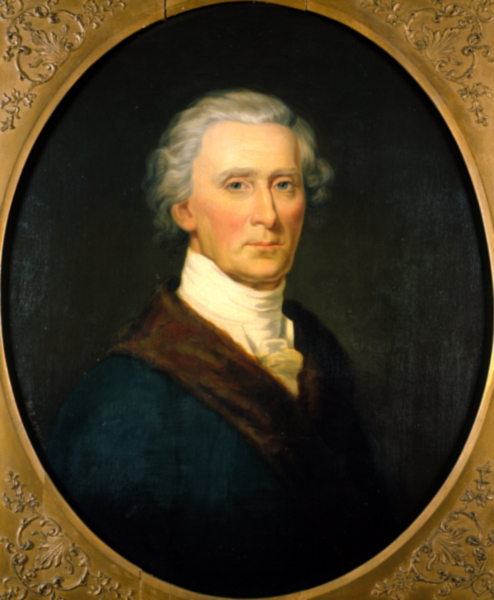
Charles Carroll (September 19, 1737 – November 14, 1832), known as Charles Carroll of Carrollton or Charles Carroll III, was an American politician, planter, and signatory of the Declaration of Independence. He was the only Catholic signatory of the Declaration and the longest surviving, dying 56 years after its signing.
Considered one of the Founding Fathers of the United States, Carroll was known contemporaneously as the "First Citizen" of the American colonies, a consequence of signing articles in the Maryland Gazette with that pen name. He served as a delegate to the Continental Congress and Confederation Congress. Carroll later served as the first United States Senator for Maryland. Of all of the signers of the Declaration of Independence, Carroll was one of the wealthiest and most formally educated. A product of his 17-year Jesuit education in France, Carroll spoke five languages fluently.
Born in Annapolis, Maryland, Carroll inherited vast agricultural estates and was regarded as the wealthiest man in the American colonies when the American Revolution commenced in 1775.[citation needed] His personal fortune at this time was reputed to be 2,100,000 pounds sterling, the equivalent to £338,402,985 in 2023 (US$375 million). In addition, Carroll presided over his manor in Maryland, a 10,000-acre estate, and claimed as his property approximately 300 slaves. Though barred from holding office in Maryland because of his religion, Carroll emerged as a leader of the state's movement for independence. He was a delegate to the Annapolis Convention and was selected as a delegate to the Continental Congress in 1776. He was part of an unsuccessful diplomatic mission, which also included Benjamin Franklin and Samuel Chase, that Congress sent to Quebec in hopes of winning the support of French Canadians.
Carroll served in the Maryland Senate from 1781 to 1800. He was elected as one of Maryland's inaugural representatives in the United States Senate but resigned his seat in 1792 after Maryland passed a law barring individuals from simultaneously serving in both state and federal office. After retiring from public service, he helped establish the Baltimore and Ohio Railroad by purchasing $40,000 of state-backed securities and serving on its first board of directors.
The Carroll family were descendants of the Ó Cearbhaill's, who were the rulers of the Irish petty kingdom of Éile in King's County, Ireland. Carroll's grandfather was Charles Carroll the Settler, an Irishman from Aghagurty who moved to London in 1685 and worked as a clerk for English nobleman Lord Powis before emigrating to Maryland in October 1688. After arriving in Maryland, he settled in the colonial capital of St. Mary's City with a commission as an attorney general from the colony's proprietor, Lord Baltimore.
Carroll's maternal ancestry was English, as his mother hailed from the Brooke family.
Carroll's father was Charles Carroll of Annapolis, who was born in Annapolis, Maryland, in 1702. Though he inherited the plantation of Doughoregan Manor from his father, as a Roman Catholic he was forbidden from participating in the political affairs of the colony.
Carroll was born on September 19, 1737, in Annapolis, Maryland, the only child of Charles Carroll of Annapolis and his wife Elizabeth Brooke. He was born an illegitimate child, as his parents were not married at the time of his birth, for technical reasons to do with the inheritance of the Carroll family estates. They eventually married in 1757. The young Carroll was educated at a Jesuit preparatory school known as Bohemia Manor in Cecil County on Maryland's Eastern Shore. At age 11, he was sent to France, where he continued in Jesuit schools, first at the College of St. Omer in Northern France and later the Lycée Louis-le-Grand in Paris, graduating in 1755. He continued his studies in Europe and read law in London before returning to Annapolis in 1765.
Hub AI
Charles Carroll of Carrollton AI simulator
(@Charles Carroll of Carrollton_simulator)
Charles Carroll of Carrollton
Charles Carroll (September 19, 1737 – November 14, 1832), known as Charles Carroll of Carrollton or Charles Carroll III, was an American politician, planter, and signatory of the Declaration of Independence. He was the only Catholic signatory of the Declaration and the longest surviving, dying 56 years after its signing.
Considered one of the Founding Fathers of the United States, Carroll was known contemporaneously as the "First Citizen" of the American colonies, a consequence of signing articles in the Maryland Gazette with that pen name. He served as a delegate to the Continental Congress and Confederation Congress. Carroll later served as the first United States Senator for Maryland. Of all of the signers of the Declaration of Independence, Carroll was one of the wealthiest and most formally educated. A product of his 17-year Jesuit education in France, Carroll spoke five languages fluently.
Born in Annapolis, Maryland, Carroll inherited vast agricultural estates and was regarded as the wealthiest man in the American colonies when the American Revolution commenced in 1775.[citation needed] His personal fortune at this time was reputed to be 2,100,000 pounds sterling, the equivalent to £338,402,985 in 2023 (US$375 million). In addition, Carroll presided over his manor in Maryland, a 10,000-acre estate, and claimed as his property approximately 300 slaves. Though barred from holding office in Maryland because of his religion, Carroll emerged as a leader of the state's movement for independence. He was a delegate to the Annapolis Convention and was selected as a delegate to the Continental Congress in 1776. He was part of an unsuccessful diplomatic mission, which also included Benjamin Franklin and Samuel Chase, that Congress sent to Quebec in hopes of winning the support of French Canadians.
Carroll served in the Maryland Senate from 1781 to 1800. He was elected as one of Maryland's inaugural representatives in the United States Senate but resigned his seat in 1792 after Maryland passed a law barring individuals from simultaneously serving in both state and federal office. After retiring from public service, he helped establish the Baltimore and Ohio Railroad by purchasing $40,000 of state-backed securities and serving on its first board of directors.
The Carroll family were descendants of the Ó Cearbhaill's, who were the rulers of the Irish petty kingdom of Éile in King's County, Ireland. Carroll's grandfather was Charles Carroll the Settler, an Irishman from Aghagurty who moved to London in 1685 and worked as a clerk for English nobleman Lord Powis before emigrating to Maryland in October 1688. After arriving in Maryland, he settled in the colonial capital of St. Mary's City with a commission as an attorney general from the colony's proprietor, Lord Baltimore.
Carroll's maternal ancestry was English, as his mother hailed from the Brooke family.
Carroll's father was Charles Carroll of Annapolis, who was born in Annapolis, Maryland, in 1702. Though he inherited the plantation of Doughoregan Manor from his father, as a Roman Catholic he was forbidden from participating in the political affairs of the colony.
Carroll was born on September 19, 1737, in Annapolis, Maryland, the only child of Charles Carroll of Annapolis and his wife Elizabeth Brooke. He was born an illegitimate child, as his parents were not married at the time of his birth, for technical reasons to do with the inheritance of the Carroll family estates. They eventually married in 1757. The young Carroll was educated at a Jesuit preparatory school known as Bohemia Manor in Cecil County on Maryland's Eastern Shore. At age 11, he was sent to France, where he continued in Jesuit schools, first at the College of St. Omer in Northern France and later the Lycée Louis-le-Grand in Paris, graduating in 1755. He continued his studies in Europe and read law in London before returning to Annapolis in 1765.
Recent media