
Recent from talks
Charles Evers
Knowledge base stats:
Talk channels stats:
Members stats:
Charles Evers
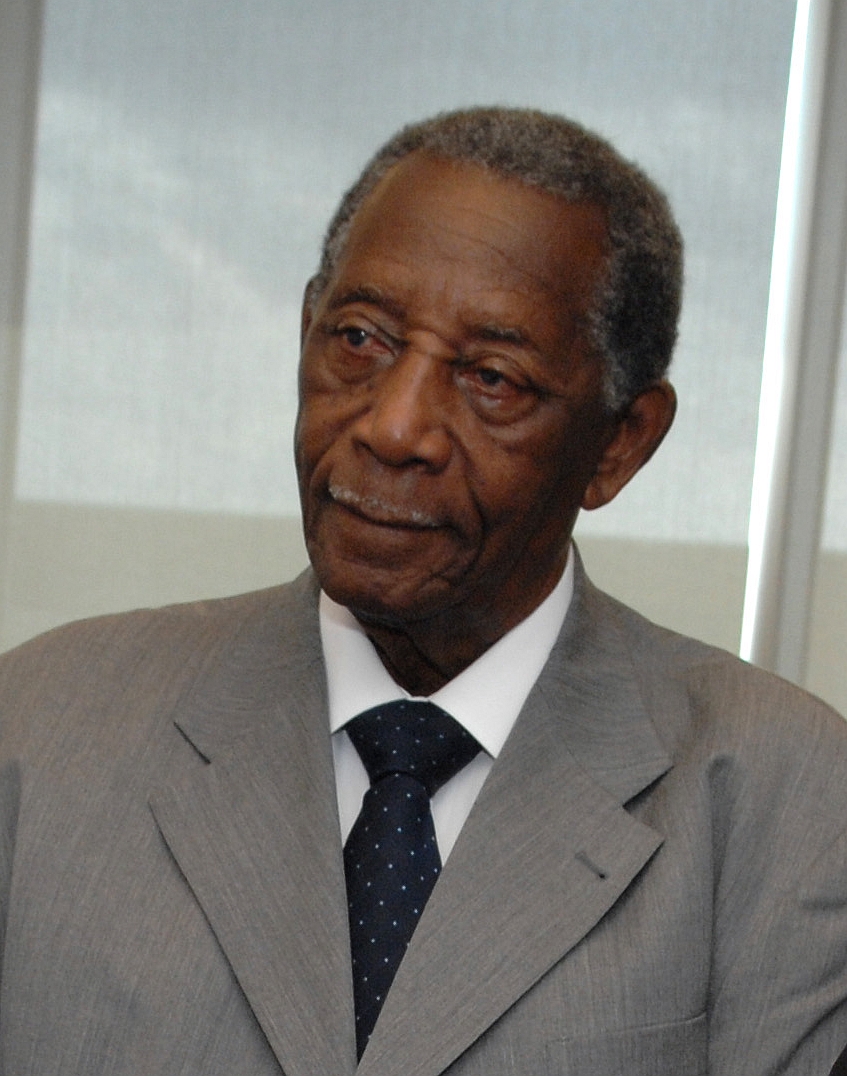
James Charles Evers (September 11, 1922 – July 22, 2020) was an American civil rights activist, businessman, radio personality, and politician. Evers was known for his role in the civil rights movement along with his younger brother Medgar Evers. After serving in World War II, Evers began his career as a disc jockey at WHOC in Philadelphia, Mississippi. In 1954, he was made the National Association for the Advancement of Colored People (NAACP) State Voter Registration chairman. After his brother's assassination in 1963, Evers took over his position as field director of the NAACP in Mississippi. In this role, he organized and led many demonstrations for the rights of African Americans.
In 1969, Evers was named "Man of the Year" by the NAACP. On June 3, 1969, Evers was elected in Fayette, Mississippi, as the first African-American mayor of a biracial town in Mississippi since the Reconstruction era, following passage of the Voting Rights Act of 1965 which enforced constitutional rights for citizens.
At the time of Evers's election as mayor, the town of Fayette had a population of 1,600 of which 75% was African-American and almost 25% white; the white officers on the Fayette city police "resigned rather than work under a black administration," according to the Associated Press. Evers told reporters "I guess we will just have to operate with an all-black police department for the present. But I am still looking for some whites to join us in helping Fayette grow." Evers then outlawed the carrying of firearms within city limits.
He ran for governor in 1971 and the United States Senate in 1978, both times as an independent candidate. In 1989, Evers was defeated for re-election after serving sixteen years as mayor. In his later life, he became a Republican, endorsing Ronald Reagan in 1980, and more recently Donald Trump in 2016. This diversity in party affiliations throughout his life was reflected in his fostering of friendships with people from a variety of backgrounds, as well as his advising of politicians from across the political spectrum. After his political career ended, he returned to radio and hosted his own show, Let's Talk. In 2017, Evers was inducted into the National Rhythm & Blues Hall of Fame for his contributions to the music industry.
Charles Evers was born in Decatur, Mississippi, on September 11, 1922, to James Evers, a laborer, and Jesse Wright Evers, a maid. He was the eldest of four children; Medgar Evers was his younger brother. He attended segregated public schools, which were typically underfunded in Mississippi following the exclusion of African Americans from the political system by disenfranchisement after 1890. Evers graduated from Alcorn State University in Lorman, Mississippi.
During World War II, Charles and Medgar Evers both served in the United States Army. Charles fell in love with a Philippine woman while stationed overseas. He could not marry her and bring her home to Mississippi because the state's constitution prohibited interracial marriages.
During the war he established a brothel in Quezon City which catered to American servicemen. After serving a year of reserve duty following the Korean War, he settled in Philadelphia, Mississippi. In 1949, he began working as a disc jockey at WHOC, making him the first black disc jockey in the state. By the early 1950s, he was managing a hotel, cab company, and burial insurance business in the town. He had a cafe in Philadelphia and influenced over two hundred black citizens to pay their poll tax. Forced to leave due to local white hostility in 1956, he moved to Chicago. Low on money, he began working as a meatpacker in stockyards during the day and as an attendant for the men's restroom at the Conrad Hilton Hotel at nights. He also began pimping and ran a numbers game, taking $500 a week from the latter. He gained enough money to purchase several bars, bootlegged liquor, and sold jukeboxes.
In Mississippi about 1951, brothers Charles and Medgar Evers grew interested in African freedom movements. They were interested in Jomo Kenyatta and the rise of the Kikuyu tribal resistance to colonialism in Kenya, known as the Mau Mau uprising as it moved to open violence. Along with his brother, Charles became active in the Regional Council of Negro Leadership (RCNL), a civil rights organization that promoted self-help and business ownership. He also helped his brother with black voter registration drives. Between 1952 and 1955, Evers often spoke at the RCNL's annual conferences in Mound Bayou, a town founded by freedmen, on such issues as voting rights. His brother Medgar continued to be involved in civil rights, becoming field secretary and head of the National Association for the Advancement of Colored People (NAACP) in Mississippi. While working in Chicago he sent money to him, not specifying the source.
Hub AI
Charles Evers AI simulator
(@Charles Evers_simulator)
Charles Evers
James Charles Evers (September 11, 1922 – July 22, 2020) was an American civil rights activist, businessman, radio personality, and politician. Evers was known for his role in the civil rights movement along with his younger brother Medgar Evers. After serving in World War II, Evers began his career as a disc jockey at WHOC in Philadelphia, Mississippi. In 1954, he was made the National Association for the Advancement of Colored People (NAACP) State Voter Registration chairman. After his brother's assassination in 1963, Evers took over his position as field director of the NAACP in Mississippi. In this role, he organized and led many demonstrations for the rights of African Americans.
In 1969, Evers was named "Man of the Year" by the NAACP. On June 3, 1969, Evers was elected in Fayette, Mississippi, as the first African-American mayor of a biracial town in Mississippi since the Reconstruction era, following passage of the Voting Rights Act of 1965 which enforced constitutional rights for citizens.
At the time of Evers's election as mayor, the town of Fayette had a population of 1,600 of which 75% was African-American and almost 25% white; the white officers on the Fayette city police "resigned rather than work under a black administration," according to the Associated Press. Evers told reporters "I guess we will just have to operate with an all-black police department for the present. But I am still looking for some whites to join us in helping Fayette grow." Evers then outlawed the carrying of firearms within city limits.
He ran for governor in 1971 and the United States Senate in 1978, both times as an independent candidate. In 1989, Evers was defeated for re-election after serving sixteen years as mayor. In his later life, he became a Republican, endorsing Ronald Reagan in 1980, and more recently Donald Trump in 2016. This diversity in party affiliations throughout his life was reflected in his fostering of friendships with people from a variety of backgrounds, as well as his advising of politicians from across the political spectrum. After his political career ended, he returned to radio and hosted his own show, Let's Talk. In 2017, Evers was inducted into the National Rhythm & Blues Hall of Fame for his contributions to the music industry.
Charles Evers was born in Decatur, Mississippi, on September 11, 1922, to James Evers, a laborer, and Jesse Wright Evers, a maid. He was the eldest of four children; Medgar Evers was his younger brother. He attended segregated public schools, which were typically underfunded in Mississippi following the exclusion of African Americans from the political system by disenfranchisement after 1890. Evers graduated from Alcorn State University in Lorman, Mississippi.
During World War II, Charles and Medgar Evers both served in the United States Army. Charles fell in love with a Philippine woman while stationed overseas. He could not marry her and bring her home to Mississippi because the state's constitution prohibited interracial marriages.
During the war he established a brothel in Quezon City which catered to American servicemen. After serving a year of reserve duty following the Korean War, he settled in Philadelphia, Mississippi. In 1949, he began working as a disc jockey at WHOC, making him the first black disc jockey in the state. By the early 1950s, he was managing a hotel, cab company, and burial insurance business in the town. He had a cafe in Philadelphia and influenced over two hundred black citizens to pay their poll tax. Forced to leave due to local white hostility in 1956, he moved to Chicago. Low on money, he began working as a meatpacker in stockyards during the day and as an attendant for the men's restroom at the Conrad Hilton Hotel at nights. He also began pimping and ran a numbers game, taking $500 a week from the latter. He gained enough money to purchase several bars, bootlegged liquor, and sold jukeboxes.
In Mississippi about 1951, brothers Charles and Medgar Evers grew interested in African freedom movements. They were interested in Jomo Kenyatta and the rise of the Kikuyu tribal resistance to colonialism in Kenya, known as the Mau Mau uprising as it moved to open violence. Along with his brother, Charles became active in the Regional Council of Negro Leadership (RCNL), a civil rights organization that promoted self-help and business ownership. He also helped his brother with black voter registration drives. Between 1952 and 1955, Evers often spoke at the RCNL's annual conferences in Mound Bayou, a town founded by freedmen, on such issues as voting rights. His brother Medgar continued to be involved in civil rights, becoming field secretary and head of the National Association for the Advancement of Colored People (NAACP) in Mississippi. While working in Chicago he sent money to him, not specifying the source.
Recent media