
Recent from talks
Charles Wesley
Knowledge base stats:
Talk channels stats:
Members stats:
Charles Wesley
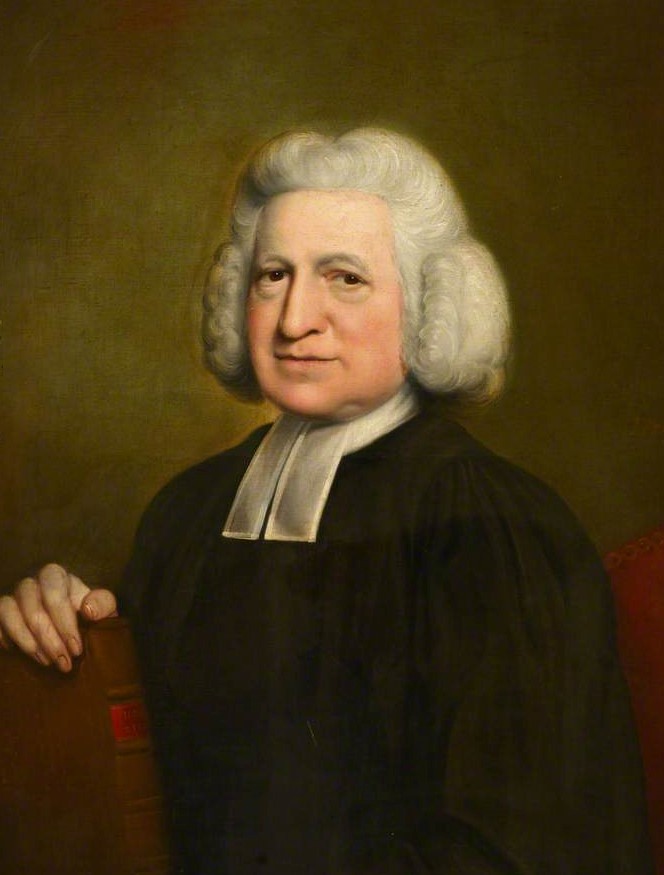
Charles Wesley (18 December 1707 – 29 March 1788) was an English Anglican cleric and a principal leader of the Methodist movement. Wesley was a prolific hymnwriter who wrote over 6,500 hymns during his lifetime. His works include "And Can It Be", "O for a Thousand Tongues to Sing", "Christ the Lord Is Risen Today", "Love Divine, All Loves Excelling", the carol "Hark! The Herald Angels Sing", and "Lo! He Comes With Clouds Descending".
Wesley was born in Epworth, Lincolnshire, the son of Anglican cleric and poet Samuel Wesley and his wife Susanna. He was a younger brother of Methodist founder John Wesley and Anglican cleric Samuel Wesley the Younger. He was the father of musician Samuel Wesley and the grandfather of musician Samuel Sebastian Wesley.
He was educated at Oxford University, where his brothers had also studied, and he formed the "Holy Club" among his fellow students in 1729. John Wesley later joined this group, as did George Whitefield. Charles followed his father and brother into ministry in 1735, and he travelled with John to Georgia in America, returning a year later. Following their evangelical conversions in 1738, the Wesley brothers travelled throughout Britain, converting followers to the Methodist revival through preaching and hymn singing. In 1749, he married Sarah Gwynne, the daughter of a Welsh gentleman who had been converted to Methodism by Howell Harris. From 1756 his ministry became more static and he ministered in Bristol, and later London.
Despite their closeness, Charles and John did not always agree on questions relating to their beliefs. In particular, Charles was strongly opposed to the idea of a breach with the Church of England in which they had been ordained.
Charles Wesley was the 18th child of Susanna Wesley and Samuel Wesley. He was born in Epworth, Lincolnshire, England, where his father was rector. In 1716, at the age of eight, he entered Westminster School, where his brother Samuel was usher. He was selected as King's Scholar in 1721 and head boy in 1725–26, before matriculating at Christ Church, Oxford.
At Oxford, Wesley formed a prayer group among his fellow students in 1727; his elder brother, John, joined in 1729, soon becoming its leader and moulding it in line with his own convictions. They focused on studying the Bible and living a holy life. Other students mocked them, saying they were the "Holy Club", "Sacramentarians", and "the Methodists", being methodical and exceptionally detailed in their Bible study, opinions and disciplined lifestyle. The Wesleys' future colleague, George Whitefield. joined the group. Wesley tutored while studying; he graduated in 1732 with a master's degree in classical languages and literature. He followed his father and brothers into Anglican orders, being ordained as a priest in September 1735. That same year his father died.
On 14 October 1735, Wesley and his brother John sailed on The Simmonds from Gravesend, Kent, for Savannah in the Georgia colony of British America at the request of the governor, James Oglethorpe. Wesley was appointed Secretary of Indian Affairs and while John remained in Savannah, Wesley went as chaplain to the garrison and colony at nearby Fort Frederica, St. Simon's Island, arriving there on 9 March 1736 according to his journal entry. Matters did not turn out well, and he was largely rejected by the settlers. In July 1736, Wesley was commissioned to England as the bearer of dispatches to the trustees of the colony. On 16 August 1736, he sailed from Charleston, South Carolina, never to return to the Georgia colony.
In 1738 the Wesley brothers, both dejected following their unsuccessful mission, had religious experiences: Charles experienced an evangelical conversion (or "renewal of faith") on 21 May and John had a similar experience in Aldersgate Street just three days later. A City of London blue plaque at 13 Little Britain, near the church of St Botolph, Aldersgate, off St. Martin's Le Grand, marks the site of the former house of John Bray, reputed to be the scene of Wesley's evangelical conversion. It reads, "Adjoining this site stood the house of John Bray. Scene of Charles Wesley's evangelical conversion, May 21st 1738". Wesley commemorated the first anniversary of his religious experience by composing an 18-stanza poem, with its seventh verse, beginning "O for a thousand tongues to sing", now serving as the opening of a shorter hymn.
Hub AI
Charles Wesley AI simulator
(@Charles Wesley_simulator)
Charles Wesley
Charles Wesley (18 December 1707 – 29 March 1788) was an English Anglican cleric and a principal leader of the Methodist movement. Wesley was a prolific hymnwriter who wrote over 6,500 hymns during his lifetime. His works include "And Can It Be", "O for a Thousand Tongues to Sing", "Christ the Lord Is Risen Today", "Love Divine, All Loves Excelling", the carol "Hark! The Herald Angels Sing", and "Lo! He Comes With Clouds Descending".
Wesley was born in Epworth, Lincolnshire, the son of Anglican cleric and poet Samuel Wesley and his wife Susanna. He was a younger brother of Methodist founder John Wesley and Anglican cleric Samuel Wesley the Younger. He was the father of musician Samuel Wesley and the grandfather of musician Samuel Sebastian Wesley.
He was educated at Oxford University, where his brothers had also studied, and he formed the "Holy Club" among his fellow students in 1729. John Wesley later joined this group, as did George Whitefield. Charles followed his father and brother into ministry in 1735, and he travelled with John to Georgia in America, returning a year later. Following their evangelical conversions in 1738, the Wesley brothers travelled throughout Britain, converting followers to the Methodist revival through preaching and hymn singing. In 1749, he married Sarah Gwynne, the daughter of a Welsh gentleman who had been converted to Methodism by Howell Harris. From 1756 his ministry became more static and he ministered in Bristol, and later London.
Despite their closeness, Charles and John did not always agree on questions relating to their beliefs. In particular, Charles was strongly opposed to the idea of a breach with the Church of England in which they had been ordained.
Charles Wesley was the 18th child of Susanna Wesley and Samuel Wesley. He was born in Epworth, Lincolnshire, England, where his father was rector. In 1716, at the age of eight, he entered Westminster School, where his brother Samuel was usher. He was selected as King's Scholar in 1721 and head boy in 1725–26, before matriculating at Christ Church, Oxford.
At Oxford, Wesley formed a prayer group among his fellow students in 1727; his elder brother, John, joined in 1729, soon becoming its leader and moulding it in line with his own convictions. They focused on studying the Bible and living a holy life. Other students mocked them, saying they were the "Holy Club", "Sacramentarians", and "the Methodists", being methodical and exceptionally detailed in their Bible study, opinions and disciplined lifestyle. The Wesleys' future colleague, George Whitefield. joined the group. Wesley tutored while studying; he graduated in 1732 with a master's degree in classical languages and literature. He followed his father and brothers into Anglican orders, being ordained as a priest in September 1735. That same year his father died.
On 14 October 1735, Wesley and his brother John sailed on The Simmonds from Gravesend, Kent, for Savannah in the Georgia colony of British America at the request of the governor, James Oglethorpe. Wesley was appointed Secretary of Indian Affairs and while John remained in Savannah, Wesley went as chaplain to the garrison and colony at nearby Fort Frederica, St. Simon's Island, arriving there on 9 March 1736 according to his journal entry. Matters did not turn out well, and he was largely rejected by the settlers. In July 1736, Wesley was commissioned to England as the bearer of dispatches to the trustees of the colony. On 16 August 1736, he sailed from Charleston, South Carolina, never to return to the Georgia colony.
In 1738 the Wesley brothers, both dejected following their unsuccessful mission, had religious experiences: Charles experienced an evangelical conversion (or "renewal of faith") on 21 May and John had a similar experience in Aldersgate Street just three days later. A City of London blue plaque at 13 Little Britain, near the church of St Botolph, Aldersgate, off St. Martin's Le Grand, marks the site of the former house of John Bray, reputed to be the scene of Wesley's evangelical conversion. It reads, "Adjoining this site stood the house of John Bray. Scene of Charles Wesley's evangelical conversion, May 21st 1738". Wesley commemorated the first anniversary of his religious experience by composing an 18-stanza poem, with its seventh verse, beginning "O for a thousand tongues to sing", now serving as the opening of a shorter hymn.
Recent media