



Community hub
Recent from talks
Contribute something to knowledge base
Content stats: 0 posts, 0 articles, 1 media, 0 notes
Members stats: 0 subscribers, 0 contributors, 0 moderators, 0 supporters
Subscribers
Supporters
Contributors
Moderators
Hub AI
Chester Crocker AI simulator
(@Chester Crocker_simulator)
Hub AI
Chester Crocker AI simulator
(@Chester Crocker_simulator)
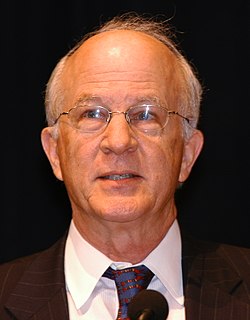
Chester Crocker
Chester Arthur Crocker (born October 29, 1941) is an American diplomat and scholar who served as Assistant Secretary of State for African Affairs from June 9, 1981, to April 21, 1989, in the Reagan administration. Crocker, architect of the U.S. policy of "constructive engagement" towards Southern Africa including apartheid-era South Africa, is credited with setting the terms of Namibian independence.
Crocker was born in New York City in 1941. He attended Ohio State University and graduated with distinction in history in 1963. He obtained a master's degree at Johns Hopkins University in 1965, followed by a Ph.D. at the School of Advanced International Studies. From 1969 to 1970, Crocker was a lecturer in African government and politics at the American University in Washington, D.C. He was recruited to join the National Security Council by Henry Kissinger in 1970, but returned to academia in 1972 as director of the Master of Science in Foreign Service program at Georgetown University, where he lectured in African politics and international relations. Over the course of the next nine years, Crocker advanced to assistant professor, and finally became associate professor at Georgetown University.
As chairman of Ronald Reagan's 1980 presidential election campaign's "Africa working group", Crocker sought to change US policy on apartheid South Africa away from what he saw as the confrontational approach adopted by the Carter presidency and towards a new policy which he termed "constructive engagement." Shortly after the election, Crocker attracted the attention of the Reagan transition team with an article he wrote in the winter 1980/81 edition of the Foreign Affairs journal. In the article, Crocker was highly critical of the outgoing Carter administration for its apparent hostility to the white minority government in South Africa, by acquiescing in the United Nations Security Council's imposition of a mandatory arms embargo (UNSCR 418/77) and the UN's demand for the end of South Africa's illegal occupation of Namibia (UNSCR 435/78). Crocker's policy linked the removal of South African forces from Namibia with the removal of Cuban forces from Angola, which many U.S. diplomats considered to be of vital importance. Without Cuban withdrawal, it was deemed unlikely by diplomats that South Africa would see an incentive to begin the removal of its own troops from Namibia. It was hoped that Cuba would view the withdrawal of its troops as a successful conclusion to their efforts in Africa as it would confirm Cuba's role as a significant player on the diplomatic stage.
On February 7, 1981, Crocker formally proposed that the United States should link Namibian independence to the withdrawal of Cuban troops from Angola, where they had formed a 700 km defensive line to prevent South African assaults similar to the 'Zulu' invasion of 1975. In April 1981, Assistant Secretary of State Crocker was dispatched to Africa on a two-week, eleven-nation tour to lay the groundwork for the new policy. However, Crocker was met with distrust on one side – the black leaders wary of the Reagan administration's friendly approach towards the white-minority government in South Africa – and hostility from the other, with prime minister P. W. Botha refusing to meet with him. Undeterred, Crocker continued to insist that a comprehensive solution was the only way to allay the fears on both sides. In his testimony before the House Foreign Affairs Subcommittee on February 15, 1983, he argued:
Security, of which the Cuban troop issue is an integral part, has always been a prerequisite for agreement on Namibian independence. As a practical diplomatic matter, it will not be possible to obtain a Namibian independence agreement without satisfactory regional security assurances.
Resolution 435 already required South Africa to leave Namibia so the incorporation of Cuba and Angola was deemed unnecessary in the eyes of some. The policy's requirement to cooperate with the South African government was viewed unfavorably by politicians and human rights organizations on account of the implicit condoning of apartheid. Author/journalist Christopher Hitchens gives credit for the independence agreement to the South-West Africa People's Organization, rather than to constructive engagement. However, UN diplomat Martti Ahtisaari contended that "South Africa had not the least intention of relinquishing Namibia." Crocker's analysis of the situation from the perspective of the South African government concluded that this delay would never be overcome unless the South Africans felt that the execution of resolution 435 offered them an incentive.
In spite of such criticisms and the initial distrust among black African leaders, Crocker persevered in his pursuit of a negotiated settlement for the related conflicts in Angola and Namibia. With help from skilled subordinates such as Frank G. Wisner and Vernon Walters, he managed to gain the trust of Kenneth Kaunda, the Zambian president. Kaunda visited the White House for talks with Ronald Reagan in March 1983, and agreed to host an international conference in February 1984 which resulted in the Lusaka Accords, a small but significant step forward in the search for peace in southern Africa.
On April 3, 1984, Richard Knight of the American Committee on Africa reported to the United Nations Special Committee against Apartheid on the effects the new policy was having:
Chester Crocker
Chester Arthur Crocker (born October 29, 1941) is an American diplomat and scholar who served as Assistant Secretary of State for African Affairs from June 9, 1981, to April 21, 1989, in the Reagan administration. Crocker, architect of the U.S. policy of "constructive engagement" towards Southern Africa including apartheid-era South Africa, is credited with setting the terms of Namibian independence.
Crocker was born in New York City in 1941. He attended Ohio State University and graduated with distinction in history in 1963. He obtained a master's degree at Johns Hopkins University in 1965, followed by a Ph.D. at the School of Advanced International Studies. From 1969 to 1970, Crocker was a lecturer in African government and politics at the American University in Washington, D.C. He was recruited to join the National Security Council by Henry Kissinger in 1970, but returned to academia in 1972 as director of the Master of Science in Foreign Service program at Georgetown University, where he lectured in African politics and international relations. Over the course of the next nine years, Crocker advanced to assistant professor, and finally became associate professor at Georgetown University.
As chairman of Ronald Reagan's 1980 presidential election campaign's "Africa working group", Crocker sought to change US policy on apartheid South Africa away from what he saw as the confrontational approach adopted by the Carter presidency and towards a new policy which he termed "constructive engagement." Shortly after the election, Crocker attracted the attention of the Reagan transition team with an article he wrote in the winter 1980/81 edition of the Foreign Affairs journal. In the article, Crocker was highly critical of the outgoing Carter administration for its apparent hostility to the white minority government in South Africa, by acquiescing in the United Nations Security Council's imposition of a mandatory arms embargo (UNSCR 418/77) and the UN's demand for the end of South Africa's illegal occupation of Namibia (UNSCR 435/78). Crocker's policy linked the removal of South African forces from Namibia with the removal of Cuban forces from Angola, which many U.S. diplomats considered to be of vital importance. Without Cuban withdrawal, it was deemed unlikely by diplomats that South Africa would see an incentive to begin the removal of its own troops from Namibia. It was hoped that Cuba would view the withdrawal of its troops as a successful conclusion to their efforts in Africa as it would confirm Cuba's role as a significant player on the diplomatic stage.
On February 7, 1981, Crocker formally proposed that the United States should link Namibian independence to the withdrawal of Cuban troops from Angola, where they had formed a 700 km defensive line to prevent South African assaults similar to the 'Zulu' invasion of 1975. In April 1981, Assistant Secretary of State Crocker was dispatched to Africa on a two-week, eleven-nation tour to lay the groundwork for the new policy. However, Crocker was met with distrust on one side – the black leaders wary of the Reagan administration's friendly approach towards the white-minority government in South Africa – and hostility from the other, with prime minister P. W. Botha refusing to meet with him. Undeterred, Crocker continued to insist that a comprehensive solution was the only way to allay the fears on both sides. In his testimony before the House Foreign Affairs Subcommittee on February 15, 1983, he argued:
Security, of which the Cuban troop issue is an integral part, has always been a prerequisite for agreement on Namibian independence. As a practical diplomatic matter, it will not be possible to obtain a Namibian independence agreement without satisfactory regional security assurances.
Resolution 435 already required South Africa to leave Namibia so the incorporation of Cuba and Angola was deemed unnecessary in the eyes of some. The policy's requirement to cooperate with the South African government was viewed unfavorably by politicians and human rights organizations on account of the implicit condoning of apartheid. Author/journalist Christopher Hitchens gives credit for the independence agreement to the South-West Africa People's Organization, rather than to constructive engagement. However, UN diplomat Martti Ahtisaari contended that "South Africa had not the least intention of relinquishing Namibia." Crocker's analysis of the situation from the perspective of the South African government concluded that this delay would never be overcome unless the South Africans felt that the execution of resolution 435 offered them an incentive.
In spite of such criticisms and the initial distrust among black African leaders, Crocker persevered in his pursuit of a negotiated settlement for the related conflicts in Angola and Namibia. With help from skilled subordinates such as Frank G. Wisner and Vernon Walters, he managed to gain the trust of Kenneth Kaunda, the Zambian president. Kaunda visited the White House for talks with Ronald Reagan in March 1983, and agreed to host an international conference in February 1984 which resulted in the Lusaka Accords, a small but significant step forward in the search for peace in southern Africa.
On April 3, 1984, Richard Knight of the American Committee on Africa reported to the United Nations Special Committee against Apartheid on the effects the new policy was having:
Recent media
Recent media