


Community hub
Recent from talks
Contribute something to knowledge base
Content stats: 0 posts, 0 articles, 1 media, 0 notes
Members stats: 0 subscribers, 0 contributors, 0 moderators, 0 supporters
Subscribers
Supporters
Contributors
Moderators
Hub AI
Chiang Ching-kuo AI simulator
(@Chiang Ching-kuo_simulator)
Hub AI
Chiang Ching-kuo AI simulator
(@Chiang Ching-kuo_simulator)
Chiang Ching-kuo
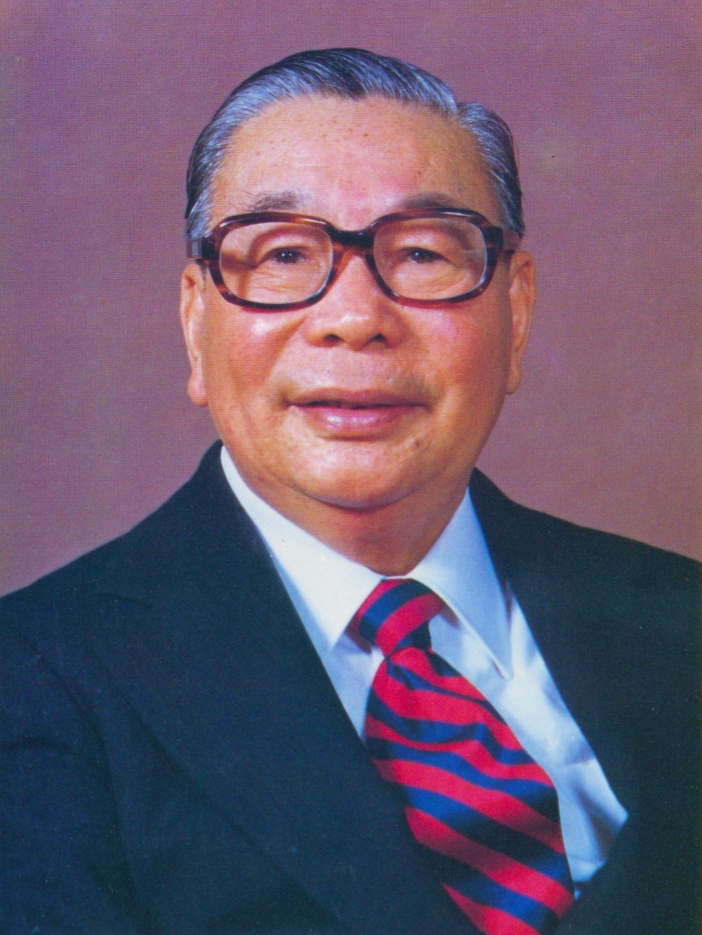
Chiang Ching-kuo (/ˈtʃæŋtʃɪŋˈkwoʊ/, 27 April 1910 – 13 January 1988) was a Taiwanese politician and statesman. The eldest and only biological son of President Chiang Kai-shek, he held numerous posts in the government of the Republic of China and ended martial law in 1987. He served as the third premier of the Republic of China between 1972 and 1978 and was the third president of the Republic of China from 1978 until his death in 1988.
Born in Zhejiang during the rule of the Qing dynasty, Ching-kuo was sent as a teenager to study in the Soviet Union during the First United Front in 1925, when his father's Nationalist Party and the Chinese Communist Party were in alliance. Before his education in the USSR, he attended school in Shanghai and Beijing, where he became interested in socialism and communism. He attended university in the USSR and spoke Russian fluently, but when the Chinese Nationalists violently broke with the Communists, Joseph Stalin sent him to work in a steel factory in the Ural Mountains. There, Chiang met and married Faina Vakhreva. With war between China and Japan imminent in 1937, Stalin sent the couple to China. During the war, Ching-kuo's father gradually came to trust him, and gave him more and more responsibilities, including administration.
After the Japanese surrender, Ching-kuo was tasked with and effectively reduced corruption in Shanghai. The victory of the Communists in 1949 drove the Chiang family and their ROC government to retreat to Taiwan. Ching-kuo was first given control of the secret police, a position he retained until 1965 and in which he used arbitrary arrests and torture to ensure tight control as part of the White Terror. He then became Minister of Defense (1965–1969), Vice-Premier (1969–1972) and Premier (1972–1978). After his father's death in 1975, he took leadership of the Kuomintang (KMT) as chairman, and was elected president in 1978 and again in 1984.
Under his tenure as president, the government of the Republic of China in Taiwan, while remaining authoritarian, became more open and tolerant of political dissent. Chiang courted Taiwanese voters, and reduced the preference for those who came from the mainland after World War II. Toward the end of his life, Chiang decided to relax government controls on the media and speech, and allowed Han Chinese born in Taiwan into positions of power, including his eventual successor Lee Teng-hui. He was the last president of the Republic of China to be born during the rule of the Qing dynasty. Ching-kuo was credited for his Soviet-inspired city planning policies, economic development with Ten Major Construction Projects in Taiwan, efforts to clamp down on corruption, as well as the democratic transition of Taiwan and gradually shifting away from the authoritarian dictatorial rule of his own father Chiang Kai-shek.
The son of Chiang Kai-shek and his first wife, Mao Fumei, Chiang Ching-kuo was born in Fenghua, Zhejiang, with the courtesy name of Jiànfēng (建豐). He had an adopted brother, Chiang Wei-kuo. "Ching" literally means "longitude", while "kuo" means "nation"; in his brother's name, "wei" literally means "parallel (of latitude)". The names are inspired by the references in Chinese classics such as the Guoyu, in which "to draw the longitudes and latitudes of the world" is used as a metaphor for a person with great abilities, especially in managing a country.
While the young Chiang Ching-kuo had a good relationship with his mother and grandmother (who were deeply rooted to their Buddhist faith), his relationship with his father was strict, utilitarian and often rocky. Chiang Kai-shek appeared to his son as an authoritarian figure, sometimes indifferent to his problems. Even in personal letters between the two, Chiang Kai-shek would sternly order his son to improve his Chinese calligraphy. From 1916 until 1919 Chiang Ching-kuo attended the "Grammar School" in "Wushan Temple" an important temple in Xikou Town. Then, in 1920, his father hired tutors to teach him the Four Books, the central texts of Confucianism. On 4 June 1921, Ching-kuo's grandmother died. What might have been an immense emotional loss was compensated for when Chiang Kai-shek moved the family to Shanghai. Chiang Ching-kuo's stepmother, historically known as the Chiang family's "Shanghai Mother", went with them. During this period Chiang Kai-shek concluded that Chiang Ching-kuo was a son to be taught, while Chiang Wei-kuo was a son to be loved.
During his time in Shanghai, Chiang Ching-kuo was supervised by his father and made to write a weekly letter of 200–300 Chinese characters. Chiang Kai-shek also underlined the importance of classical books and of learning English, two areas he was hardly proficient in himself. On 20 March 1924, Chiang Ching-kuo was able to present to his now-nationally famous father a proposal concerning the grass-roots organization of the rural population in Xikou. Chiang Ching-kuo planned to provide free education to allow people to read and to write at least 1000 characters. In his own words:
I have a suggestion to make about the Wushan School, although I do not know if you can agree to it. My suggestion is that the school establish a night school for common people who cannot afford to go to the regular school. My school established a night school with great success. I can tell you something about the night school:
Chiang Ching-kuo
Chiang Ching-kuo (/ˈtʃæŋtʃɪŋˈkwoʊ/, 27 April 1910 – 13 January 1988) was a Taiwanese politician and statesman. The eldest and only biological son of President Chiang Kai-shek, he held numerous posts in the government of the Republic of China and ended martial law in 1987. He served as the third premier of the Republic of China between 1972 and 1978 and was the third president of the Republic of China from 1978 until his death in 1988.
Born in Zhejiang during the rule of the Qing dynasty, Ching-kuo was sent as a teenager to study in the Soviet Union during the First United Front in 1925, when his father's Nationalist Party and the Chinese Communist Party were in alliance. Before his education in the USSR, he attended school in Shanghai and Beijing, where he became interested in socialism and communism. He attended university in the USSR and spoke Russian fluently, but when the Chinese Nationalists violently broke with the Communists, Joseph Stalin sent him to work in a steel factory in the Ural Mountains. There, Chiang met and married Faina Vakhreva. With war between China and Japan imminent in 1937, Stalin sent the couple to China. During the war, Ching-kuo's father gradually came to trust him, and gave him more and more responsibilities, including administration.
After the Japanese surrender, Ching-kuo was tasked with and effectively reduced corruption in Shanghai. The victory of the Communists in 1949 drove the Chiang family and their ROC government to retreat to Taiwan. Ching-kuo was first given control of the secret police, a position he retained until 1965 and in which he used arbitrary arrests and torture to ensure tight control as part of the White Terror. He then became Minister of Defense (1965–1969), Vice-Premier (1969–1972) and Premier (1972–1978). After his father's death in 1975, he took leadership of the Kuomintang (KMT) as chairman, and was elected president in 1978 and again in 1984.
Under his tenure as president, the government of the Republic of China in Taiwan, while remaining authoritarian, became more open and tolerant of political dissent. Chiang courted Taiwanese voters, and reduced the preference for those who came from the mainland after World War II. Toward the end of his life, Chiang decided to relax government controls on the media and speech, and allowed Han Chinese born in Taiwan into positions of power, including his eventual successor Lee Teng-hui. He was the last president of the Republic of China to be born during the rule of the Qing dynasty. Ching-kuo was credited for his Soviet-inspired city planning policies, economic development with Ten Major Construction Projects in Taiwan, efforts to clamp down on corruption, as well as the democratic transition of Taiwan and gradually shifting away from the authoritarian dictatorial rule of his own father Chiang Kai-shek.
The son of Chiang Kai-shek and his first wife, Mao Fumei, Chiang Ching-kuo was born in Fenghua, Zhejiang, with the courtesy name of Jiànfēng (建豐). He had an adopted brother, Chiang Wei-kuo. "Ching" literally means "longitude", while "kuo" means "nation"; in his brother's name, "wei" literally means "parallel (of latitude)". The names are inspired by the references in Chinese classics such as the Guoyu, in which "to draw the longitudes and latitudes of the world" is used as a metaphor for a person with great abilities, especially in managing a country.
While the young Chiang Ching-kuo had a good relationship with his mother and grandmother (who were deeply rooted to their Buddhist faith), his relationship with his father was strict, utilitarian and often rocky. Chiang Kai-shek appeared to his son as an authoritarian figure, sometimes indifferent to his problems. Even in personal letters between the two, Chiang Kai-shek would sternly order his son to improve his Chinese calligraphy. From 1916 until 1919 Chiang Ching-kuo attended the "Grammar School" in "Wushan Temple" an important temple in Xikou Town. Then, in 1920, his father hired tutors to teach him the Four Books, the central texts of Confucianism. On 4 June 1921, Ching-kuo's grandmother died. What might have been an immense emotional loss was compensated for when Chiang Kai-shek moved the family to Shanghai. Chiang Ching-kuo's stepmother, historically known as the Chiang family's "Shanghai Mother", went with them. During this period Chiang Kai-shek concluded that Chiang Ching-kuo was a son to be taught, while Chiang Wei-kuo was a son to be loved.
During his time in Shanghai, Chiang Ching-kuo was supervised by his father and made to write a weekly letter of 200–300 Chinese characters. Chiang Kai-shek also underlined the importance of classical books and of learning English, two areas he was hardly proficient in himself. On 20 March 1924, Chiang Ching-kuo was able to present to his now-nationally famous father a proposal concerning the grass-roots organization of the rural population in Xikou. Chiang Ching-kuo planned to provide free education to allow people to read and to write at least 1000 characters. In his own words:
I have a suggestion to make about the Wushan School, although I do not know if you can agree to it. My suggestion is that the school establish a night school for common people who cannot afford to go to the regular school. My school established a night school with great success. I can tell you something about the night school:
Recent media
Recent media