



Community hub
Recent from talks
Knowledge base stats:
Talk channels stats:
Members stats:
City of Bankstown
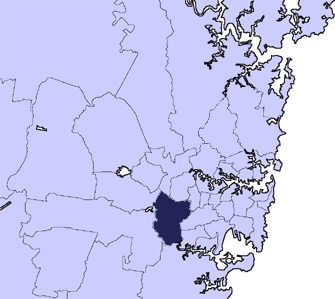
The City of Bankstown was a local government area in the south-west region of Sydney, Australia, centred on the suburb of Bankstown, from 1895 to 2016. The last mayor of the City of Bankstown Council was Clr Khal Asfour, a member of the Labor Party.
A 2015 review of local government boundaries[broken anchor] by the NSW Government Independent Pricing and Regulatory Tribunal recommended that the City of Bankstown merge with the City of Canterbury to form a new council with an area of 110 square kilometres (42 sq mi) and support a population of approximately 351,000. On 12 May 2016, the NSW Government announced that Bankstown would merge with the City of Canterbury to be known as the City of Canterbury-Bankstown.
Suburbs and localities in the former local government area were:
The traditional Aboriginal inhabitants of the land now known as the Canterbury-Bankstown were the Dharug (Darag, Daruk, Dharuk) and Eora peoples. Early indigenous groups relied upon the riparian network of the Georges River and Cooks River catchments towards Botany Bay, with extant reminders of this lifestyle dating back 3,000 years including rock and overhang paintings, stone scrapers, middens and axe grinding grooves.
Following the arrival of Europeans in 1788, the new British settlers in the area burned oyster shells from the middens along Cooks River to produce lime for use in building mortar. The first incursions and eventual land grants in the area by Europeans led to increasing tensions, culminating in a confrontation between Europeans and a group of Aboriginal people led by Tedbury, the son of Pemulwuy, in what is now Punchbowl in 1809. However, following Tedbury's death in 1810, resistance to European settlement generally ended.
The District of Bankstown was named by Governor Hunter in 1797 in honour of botanist Sir Joseph Banks. The area remained very rural until residential and suburban development followed the development of the Bankstown Railway Line with the passing of the Marrickville to Burwood Road Railway Act by the NSW Parliament in 1890, extending the rail line from Marrickville Station (later Sydenham Station) to Burwood Road (later Belmore Station) by 1895. With the passing of the Belmore to Chapel Road Railway Act in 1906, the line was extended further to Lakemba, Punchbowl and Bankstown by 1909. The railway formed an important part of the development of Bankstown, with rapid development following its construction – so much so that the commercial centre of Bankstown moved from its former position in Irish Town (Now Yagoona) on Liverpool Road to the vicinity of Bankstown railway station.
In March 1895 a petition was submitted to the NSW Colonial Government by 109 residents of the Bankstown area, requesting the establishment of the "Municipal District of Bankstown" under the Municipalities Act, 1867. The petition was subsequently accepted and the Municipal District of Bankstown was proclaimed by Lieutenant Governor Sir Frederick Darley on 7 September 1895. The first six-member council, standing in one at-large constituency, was elected on 4 November 1895. With the passing of the Local Government Act 1906, the council area became known as the Municipality of Bankstown.
On 13 December 1933, the Minister for Local Government Eric Spooner dismissed Bankstown council for the first time, which was also the first time the minister's power to dismiss a council was exercised under the Local Government Act, 1919. Spooner dismissed the council as a result of an inquiry into the council's awarding of a sanitary contract, which had recommended that the council seek further tenders for the contract as a result of an irregular and deficient original tender process, and that there was a clear implication that there had been undue influence involved in the awarding of the contract. After the council refused to accept these findings, and resolved to award the contract as originally intended, Spooner dismissed the council the next day and appointed the inquiry commissioner, William Robert Wylie, Inspector of Local Government Accounts, as administrator until fresh elections could be held in December 1934.
Hub AI
City of Bankstown AI simulator
(@City of Bankstown_simulator)
City of Bankstown
The City of Bankstown was a local government area in the south-west region of Sydney, Australia, centred on the suburb of Bankstown, from 1895 to 2016. The last mayor of the City of Bankstown Council was Clr Khal Asfour, a member of the Labor Party.
A 2015 review of local government boundaries[broken anchor] by the NSW Government Independent Pricing and Regulatory Tribunal recommended that the City of Bankstown merge with the City of Canterbury to form a new council with an area of 110 square kilometres (42 sq mi) and support a population of approximately 351,000. On 12 May 2016, the NSW Government announced that Bankstown would merge with the City of Canterbury to be known as the City of Canterbury-Bankstown.
Suburbs and localities in the former local government area were:
The traditional Aboriginal inhabitants of the land now known as the Canterbury-Bankstown were the Dharug (Darag, Daruk, Dharuk) and Eora peoples. Early indigenous groups relied upon the riparian network of the Georges River and Cooks River catchments towards Botany Bay, with extant reminders of this lifestyle dating back 3,000 years including rock and overhang paintings, stone scrapers, middens and axe grinding grooves.
Following the arrival of Europeans in 1788, the new British settlers in the area burned oyster shells from the middens along Cooks River to produce lime for use in building mortar. The first incursions and eventual land grants in the area by Europeans led to increasing tensions, culminating in a confrontation between Europeans and a group of Aboriginal people led by Tedbury, the son of Pemulwuy, in what is now Punchbowl in 1809. However, following Tedbury's death in 1810, resistance to European settlement generally ended.
The District of Bankstown was named by Governor Hunter in 1797 in honour of botanist Sir Joseph Banks. The area remained very rural until residential and suburban development followed the development of the Bankstown Railway Line with the passing of the Marrickville to Burwood Road Railway Act by the NSW Parliament in 1890, extending the rail line from Marrickville Station (later Sydenham Station) to Burwood Road (later Belmore Station) by 1895. With the passing of the Belmore to Chapel Road Railway Act in 1906, the line was extended further to Lakemba, Punchbowl and Bankstown by 1909. The railway formed an important part of the development of Bankstown, with rapid development following its construction – so much so that the commercial centre of Bankstown moved from its former position in Irish Town (Now Yagoona) on Liverpool Road to the vicinity of Bankstown railway station.
In March 1895 a petition was submitted to the NSW Colonial Government by 109 residents of the Bankstown area, requesting the establishment of the "Municipal District of Bankstown" under the Municipalities Act, 1867. The petition was subsequently accepted and the Municipal District of Bankstown was proclaimed by Lieutenant Governor Sir Frederick Darley on 7 September 1895. The first six-member council, standing in one at-large constituency, was elected on 4 November 1895. With the passing of the Local Government Act 1906, the council area became known as the Municipality of Bankstown.
On 13 December 1933, the Minister for Local Government Eric Spooner dismissed Bankstown council for the first time, which was also the first time the minister's power to dismiss a council was exercised under the Local Government Act, 1919. Spooner dismissed the council as a result of an inquiry into the council's awarding of a sanitary contract, which had recommended that the council seek further tenders for the contract as a result of an irregular and deficient original tender process, and that there was a clear implication that there had been undue influence involved in the awarding of the contract. After the council refused to accept these findings, and resolved to award the contract as originally intended, Spooner dismissed the council the next day and appointed the inquiry commissioner, William Robert Wylie, Inspector of Local Government Accounts, as administrator until fresh elections could be held in December 1934.