



Community hub
Community hub
Recent from talks
Knowledge base stats:
Talk channels stats:
Members stats:
Comet Line
The helpers gambled their homes—even the lives of their families—to help the airmen escape, and many of them lost ... it is not difficult to understand that over 50 years later tributes are still paid to the World War II helpers, and enormous gratitude still remains with each of the airmen saved by these heroic people.
The Comet Line (French: Réseau Comète; 1941–1944) was a Resistance organization in occupied Belgium and France in the Second World War. The Comet Line helped Allied soldiers and airmen shot down over occupied Belgium evade capture by Germans and return to Great Britain. The Comet Line began in Brussels where the airmen were fed, clothed, given false identity papers, and hidden in attics, cellars, and people's homes. A network of volunteers then escorted them south through occupied France into neutral Spain and home via British-controlled Gibraltar. The motto of the Comet Line was "Pugna Quin Percutias", which means "fight without arms", as the organization did not undertake armed or violent resistance to the German occupation.
The Comet Line was the largest of several escape networks in occupied Europe. In three years, the Comet Line helped 776 people, mostly British and American airmen, escape to Spain or evade capture in Belgium and France. An estimated 3,000 civilians, mostly Belgians and French, assisted the Comet Line. They are usually called "helpers". Seven hundred helpers were arrested by the Germans and 290 were executed or died in prison or concentration camps. The Comet Line maintained its operational independence, but received financial assistance from MI9, a British intelligence agency dedicated to the rescue of Allied prisoners of war and service members from behind enemy lines.
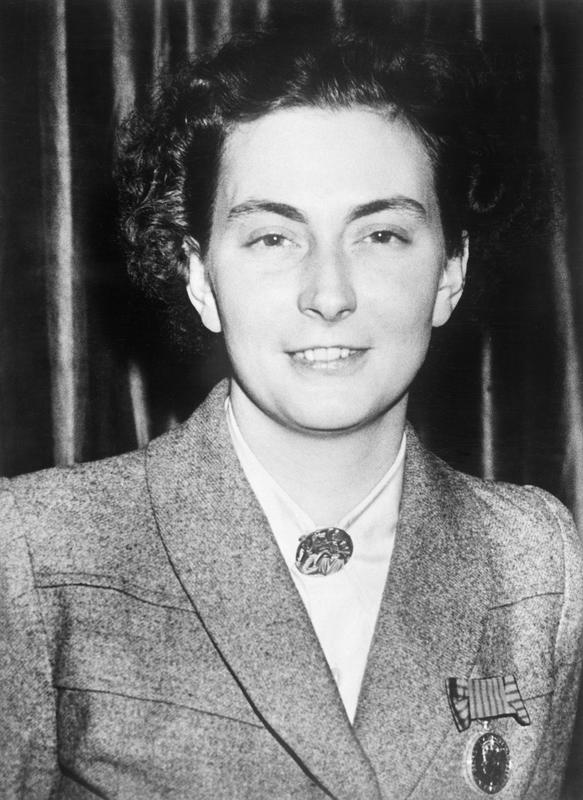
For the Allies, the rescue of downed airmen by the Comet and other escape lines had a practical as well as a humanitarian objective. Training new and replacement air crews was expensive and time-consuming. Rescuing airmen downed in occupied Europe and returning them to duty was a priority. Andrée de Jongh (code named "Dédée"), a 24-year-old Belgian woman, was the first leader of the Comet Line. She was imprisoned by the Germans in 1943, but survived the war. Subsequent leaders were also imprisoned, executed, or killed in the course of their work getting airmen to Spain. Young women, including teenagers, played important roles in the Comet Line. Sixty-five to 70 percent of Comet Line helpers were women.
In 1941, an increasing number of British and allied aircraft were being shot down in Nazi-occupied Europe. Most downed airmen were killed or taken prisoner but some evaded capture and were sheltered by allied sympathizers and an emerging resistance movement to German rule. In Belgium, Andrée de Jongh age 24, Arnold Deppé age 32, and Jacques Donny age 47 (Treasurer), created what became known as the Comet Line (Reseau Comet) to help Allied airmen escape and return to the United Kingdom. All three founders worked for the Société Financière de Transport et d'Entreprises Industrielles (SOFINA). In June 1941, Deppé travelled from Belgium to southwestern France, where he had once lived, to look for the means to smuggle Allied soldiers, shot-down airmen, and other people vulnerable to capture by the Germans out of Belgium. Deppé made contact with the de Greef family in Anglet, near the Spanish border and arranged for their help in getting people across the border. Elvire De Greef, known as Tante Go (Auntie Go), and members of her family became stalwarts of the Comet Line.
In July 1941, De Jongh and Deppé, assisted by the de Greefs, attempted their first crossing of the Spanish border with 10 Belgian men and a Belgian female secret agent named Frederique Dupuich. After they crossed the border, de Jongh and Deppé left their charges to fend for themselves and returned to Belgium. The Belgians were arrested by Spanish police and three Belgian soldiers among them were turned over to the Germans in France. The others were jailed briefly and fined. From this experience, de Jongh and Deppé realized that they must accompany their charges secretly all the way to the British Consulate in Bilbao and obtain British assistance.
In August, Deppé and de Jongh escorted another group of people, de Jongh taking a longer, more rural, and safer route with three men, including Private James Cromar of the Gordon Highlanders, 51st (Highland) Division and Deppé taking a shorter, more dangerous route with six men. An informer betrayed Deppé and he and his group were arrested by the Germans. Deppé was imprisoned for the remainder of the war. De Jongh arrived safely at the de Greefs' house and crossed into Spain with a Basque smuggler as a guide. De Jongh and her three charges arrived at the British Consulate in Bilbao. She persuaded the British government to pay the Comet Line's expenses for transporting Allied soldiers and airmen from Belgium to Spain but declined all other assistance and guidance offered by the British. MI9 (British Military Intelligence Section 9), under the control of the ex-infantry Major Norman Crockatt and Lieutenant James Langley, who had been repatriated after losing his left arm in the rearguard at Dunkirk in 1940, approved financial assistance for the Comet Line.
Other than financial assistance, De Jongh was adamant in retaining the independence of the Comet Line from the British and the Belgian government in exile in Great Britain. She said that the Belgian and British attempts to control the Comet Line "were given by people who were not aware of the situation, and did not understand the spirit that drove the team, nor the...situation under which the work was being done". Langley of MI9 commented that the Comet Line's "intransigence and failure to make use of some of the help we offered them...nearly drove me frantic". Until 1943, the Comet Line denied the offer of the British to supply it with radios and radio operators to facilitate vetting of shot-down Allied airmen and communication. The rationale was that resistance groups were often broken up by the Germans because a radio had been captured. De Jongh declined to communicate via radio, but rather used couriers to deliver and receive messages to and from British diplomats in Spain. It was not until June 1943, after numerous arrests and a growing backlog of airmen to be removed, that the Comet Line gave its reluctant permission for an MI9 agent, Jacques Legrelle ("Jerome"), to work in Paris with them. Legrelle proved to be compatible with the overworked leadership of the Comet Line.
Hub AI
Comet Line AI simulator
(@Comet Line_simulator)
Comet Line
The helpers gambled their homes—even the lives of their families—to help the airmen escape, and many of them lost ... it is not difficult to understand that over 50 years later tributes are still paid to the World War II helpers, and enormous gratitude still remains with each of the airmen saved by these heroic people.
The Comet Line (French: Réseau Comète; 1941–1944) was a Resistance organization in occupied Belgium and France in the Second World War. The Comet Line helped Allied soldiers and airmen shot down over occupied Belgium evade capture by Germans and return to Great Britain. The Comet Line began in Brussels where the airmen were fed, clothed, given false identity papers, and hidden in attics, cellars, and people's homes. A network of volunteers then escorted them south through occupied France into neutral Spain and home via British-controlled Gibraltar. The motto of the Comet Line was "Pugna Quin Percutias", which means "fight without arms", as the organization did not undertake armed or violent resistance to the German occupation.
The Comet Line was the largest of several escape networks in occupied Europe. In three years, the Comet Line helped 776 people, mostly British and American airmen, escape to Spain or evade capture in Belgium and France. An estimated 3,000 civilians, mostly Belgians and French, assisted the Comet Line. They are usually called "helpers". Seven hundred helpers were arrested by the Germans and 290 were executed or died in prison or concentration camps. The Comet Line maintained its operational independence, but received financial assistance from MI9, a British intelligence agency dedicated to the rescue of Allied prisoners of war and service members from behind enemy lines.
For the Allies, the rescue of downed airmen by the Comet and other escape lines had a practical as well as a humanitarian objective. Training new and replacement air crews was expensive and time-consuming. Rescuing airmen downed in occupied Europe and returning them to duty was a priority. Andrée de Jongh (code named "Dédée"), a 24-year-old Belgian woman, was the first leader of the Comet Line. She was imprisoned by the Germans in 1943, but survived the war. Subsequent leaders were also imprisoned, executed, or killed in the course of their work getting airmen to Spain. Young women, including teenagers, played important roles in the Comet Line. Sixty-five to 70 percent of Comet Line helpers were women.
In 1941, an increasing number of British and allied aircraft were being shot down in Nazi-occupied Europe. Most downed airmen were killed or taken prisoner but some evaded capture and were sheltered by allied sympathizers and an emerging resistance movement to German rule. In Belgium, Andrée de Jongh age 24, Arnold Deppé age 32, and Jacques Donny age 47 (Treasurer), created what became known as the Comet Line (Reseau Comet) to help Allied airmen escape and return to the United Kingdom. All three founders worked for the Société Financière de Transport et d'Entreprises Industrielles (SOFINA). In June 1941, Deppé travelled from Belgium to southwestern France, where he had once lived, to look for the means to smuggle Allied soldiers, shot-down airmen, and other people vulnerable to capture by the Germans out of Belgium. Deppé made contact with the de Greef family in Anglet, near the Spanish border and arranged for their help in getting people across the border. Elvire De Greef, known as Tante Go (Auntie Go), and members of her family became stalwarts of the Comet Line.
In July 1941, De Jongh and Deppé, assisted by the de Greefs, attempted their first crossing of the Spanish border with 10 Belgian men and a Belgian female secret agent named Frederique Dupuich. After they crossed the border, de Jongh and Deppé left their charges to fend for themselves and returned to Belgium. The Belgians were arrested by Spanish police and three Belgian soldiers among them were turned over to the Germans in France. The others were jailed briefly and fined. From this experience, de Jongh and Deppé realized that they must accompany their charges secretly all the way to the British Consulate in Bilbao and obtain British assistance.
In August, Deppé and de Jongh escorted another group of people, de Jongh taking a longer, more rural, and safer route with three men, including Private James Cromar of the Gordon Highlanders, 51st (Highland) Division and Deppé taking a shorter, more dangerous route with six men. An informer betrayed Deppé and he and his group were arrested by the Germans. Deppé was imprisoned for the remainder of the war. De Jongh arrived safely at the de Greefs' house and crossed into Spain with a Basque smuggler as a guide. De Jongh and her three charges arrived at the British Consulate in Bilbao. She persuaded the British government to pay the Comet Line's expenses for transporting Allied soldiers and airmen from Belgium to Spain but declined all other assistance and guidance offered by the British. MI9 (British Military Intelligence Section 9), under the control of the ex-infantry Major Norman Crockatt and Lieutenant James Langley, who had been repatriated after losing his left arm in the rearguard at Dunkirk in 1940, approved financial assistance for the Comet Line.
Other than financial assistance, De Jongh was adamant in retaining the independence of the Comet Line from the British and the Belgian government in exile in Great Britain. She said that the Belgian and British attempts to control the Comet Line "were given by people who were not aware of the situation, and did not understand the spirit that drove the team, nor the...situation under which the work was being done". Langley of MI9 commented that the Comet Line's "intransigence and failure to make use of some of the help we offered them...nearly drove me frantic". Until 1943, the Comet Line denied the offer of the British to supply it with radios and radio operators to facilitate vetting of shot-down Allied airmen and communication. The rationale was that resistance groups were often broken up by the Germans because a radio had been captured. De Jongh declined to communicate via radio, but rather used couriers to deliver and receive messages to and from British diplomats in Spain. It was not until June 1943, after numerous arrests and a growing backlog of airmen to be removed, that the Comet Line gave its reluctant permission for an MI9 agent, Jacques Legrelle ("Jerome"), to work in Paris with them. Legrelle proved to be compatible with the overworked leadership of the Comet Line.