


Community hub
Recent from talks
Contribute something to knowledge base
Content stats: 0 posts, 0 articles, 1 media, 0 notes
Members stats: 0 subscribers, 0 contributors, 0 moderators, 0 supporters
Subscribers
Supporters
Contributors
Moderators
Hub AI
Convoy QP 1 AI simulator
(@Convoy QP 1_simulator)
Hub AI
Convoy QP 1 AI simulator
(@Convoy QP 1_simulator)
Convoy QP 1
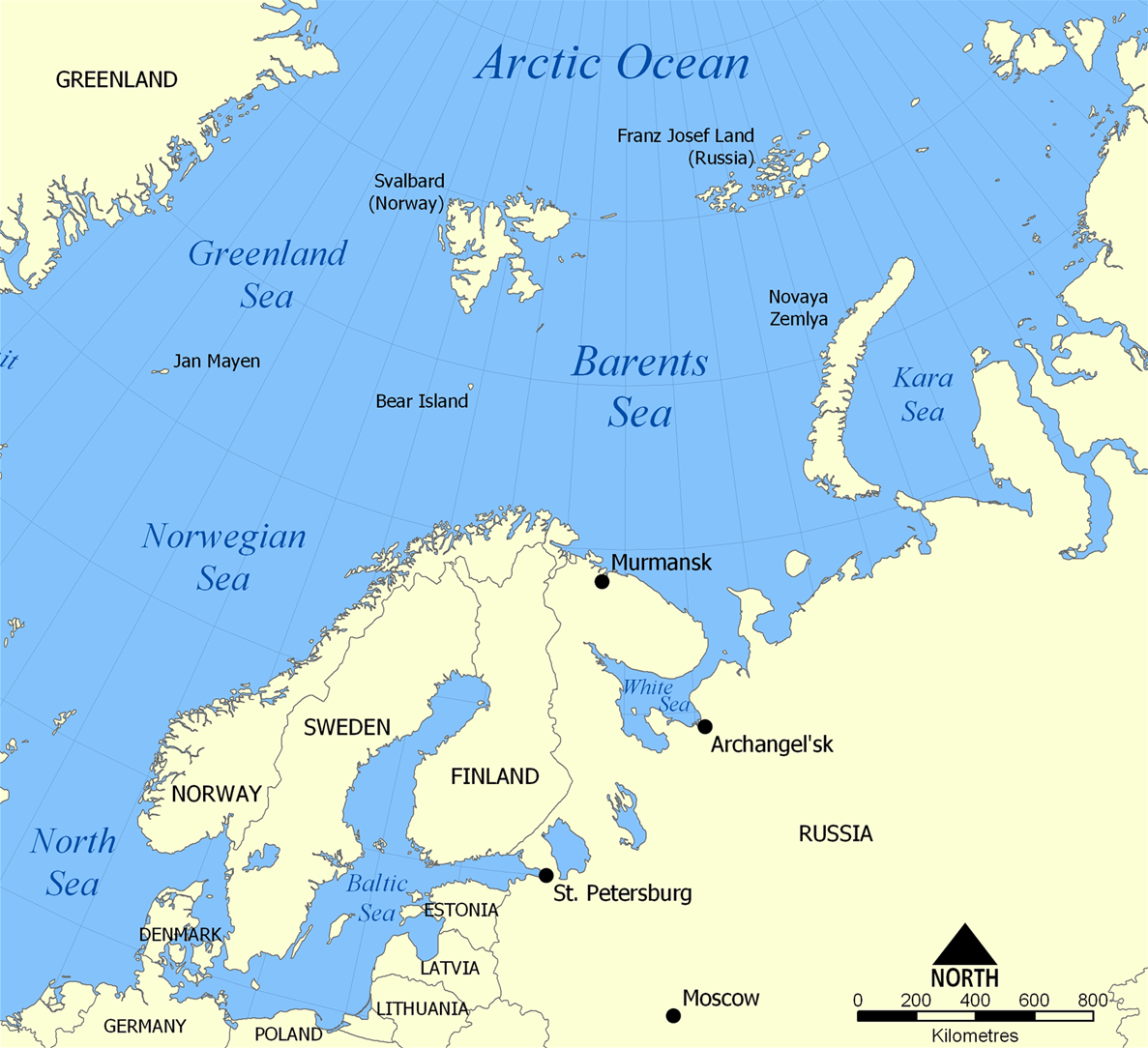
Convoy QP 1 (28 September – 19 October 1941) was the first Arctic Convoy of the Second World War by which the Allies brought back the ships of Operation Dervish that had carried supplies to the Soviet Union after Operation Barbarossa, the German invasion of 22 June 1941. The convoy sailed from Murmansk on 28 September 1941 and arrived safely at Scapa Flow in Orkney on 19 October.
From Operation Dervish, at the end of August 1941 to 20 December, six more convoys (Convoy PQ 1 to Convoy PQ 6) sent 45 ships, all of which reached Arkhangelsk or Murmansk. German awareness of these and the reciprocal westbound convoys (Convoy QP 1 to Convoy QP 4) was too vague to plan attacks by the Kriegsmarine or the Luftwaffe.
On 13 November 1941, the commander-in-chief of the Kriegsmarine, Großadmiral (Grand Admiral) Erich Raeder, told Hitler that, owing to the extreme weather and the lack of air reconnaissance, the prospects of the small number of U-boats in the Arctic Ocean were poor.
The Soviet leaders needed to replace the colossal losses of military equipment lost after the German invasion, especially when Soviet war industries were being moved out of the war zone and emphasised tank and aircraft deliveries. Machine tools, steel and aluminium was needed to replace indigenous resources lost in the invasion. The pressure on the civilian sector of the economy needed to be limited by food deliveries. The Soviets wanted to concentrate the resources that remained on items that the Soviet war economy that had the greatest comparative advantage over the German economy. Aluminium imports allowed aircraft production to a far greater extent than would have been possible using local sources and tank production was emphasised at the expense of lorries and food supplies were squeezed by reliance on what could be obtained from lend–lease. At the Moscow Conference, it was acknowledged that 1.5 million tons of shipping was needed to transport the supplies of the First Protocol and that Soviet sources could provide less than 10 per cent of the carrying capacity.
The British and Americans accepted that the onus was on them to find most of the shipping, despite their commitments in other theatres. The Prime Minister, Winston Churchill, made a commitment to send a convoy to the Arctic ports of the USSR every ten days and to deliver 1,200 tanks a month from July 1942 to January 1943, followed by 2,000 tanks and another 3,600 aircraft more than already promised. In November, the US president, Franklin D. Roosevelt, ordered Admiral Emory Land of the US Maritime Commission and then the head of the War Shipping Administration that deliveries to Russia should only be limited by 'insurmountable difficulties'. The first convoy was due at Murmansk around 12 October and the next convoy was to depart Iceland on 22 October. A motley of British, Allied and neutral shipping loaded with military stores and raw materials for the Soviet war effort would be assembled at Hvalfjörður in Iceland, convenient for ships from both sides of the Atlantic.
From Operation Dervish to Convoy PQ 11, the supplies to the USSR were mostly British, in British ships defended by the Royal Navy. A fighter force that could defend Murmansk was delivered that protected the Arctic ports and railways into the hinterland. Before September 1941 the British had dispatched 450 aircraft, 22,000 long tons (22,000 t) of rubber, 3,000,000 pairs of boots and stocks of tin, aluminium, jute, lead and wool. In September British and US representatives travelled to Moscow to study Soviet requirements and their ability to meet them. The representatives of the three countries drew up a protocol in October 1941 to last until June 1942. British supplied aircraft and tanks reinforced the Russian defences of Leningrad and Moscow from December 1941. The tanks and aircraft did not save Moscow but were important in the Soviet counter-offensive. The Luftwaffe was by then reduced to 600 operational aircraft on the Eastern Front, to an extent a consequence of Luftflotte 2 being sent to the Mediterranean against the British. Tanks and aircraft supplied by the British helped the Soviet counter-offensive force back the Germans further than might have been possible. In January and February 1941, deliveries of tanks and aircraft allowed the Russians to have a margin of safety should the Germans attempt to counter-attack.
The British Government Code and Cypher School (GC&CS) based at Bletchley Park housed a small industry of code-breakers and traffic analysts. By June 1941, the German Enigma machine Home Waters (Heimish) settings used by surface ships and U-boats could quickly be read. On 1 February 1942, the Enigma machines used in U-boats in the Atlantic and Mediterranean were changed but German ships and the U-boats in Arctic waters continued with the older Heimish Home Hydra from 1942, Dolphin to the British). By mid-1941, British Y-stations were able to receive and read Luftwaffe W/T transmissions and give advance warning of Luftwaffe operations. In 1941, naval Headache personnel with receivers to eavesdrop on Luftwaffe wireless transmissions were embarked on warships.
The rival German Beobachtungsdienst (B-Dienst, Observation Service) of the Kriegsmarine Marinenachrichtendienst (MND, Naval Intelligence Service) had broken several Admiralty codes and cyphers by 1939, which were used to help Kriegsmarine ships elude British forces and provide opportunities for surprise attacks. From June to August 1940, six British submarines were sunk in the Skaggerak using information gleaned from British wireless signals. In 1941, B-Dienst read signals from the Commander in Chief Western Approaches informing convoys of areas patrolled by U-boats, enabling the submarines to move into "safe" zones.
Convoy QP 1
Convoy QP 1 (28 September – 19 October 1941) was the first Arctic Convoy of the Second World War by which the Allies brought back the ships of Operation Dervish that had carried supplies to the Soviet Union after Operation Barbarossa, the German invasion of 22 June 1941. The convoy sailed from Murmansk on 28 September 1941 and arrived safely at Scapa Flow in Orkney on 19 October.
From Operation Dervish, at the end of August 1941 to 20 December, six more convoys (Convoy PQ 1 to Convoy PQ 6) sent 45 ships, all of which reached Arkhangelsk or Murmansk. German awareness of these and the reciprocal westbound convoys (Convoy QP 1 to Convoy QP 4) was too vague to plan attacks by the Kriegsmarine or the Luftwaffe.
On 13 November 1941, the commander-in-chief of the Kriegsmarine, Großadmiral (Grand Admiral) Erich Raeder, told Hitler that, owing to the extreme weather and the lack of air reconnaissance, the prospects of the small number of U-boats in the Arctic Ocean were poor.
The Soviet leaders needed to replace the colossal losses of military equipment lost after the German invasion, especially when Soviet war industries were being moved out of the war zone and emphasised tank and aircraft deliveries. Machine tools, steel and aluminium was needed to replace indigenous resources lost in the invasion. The pressure on the civilian sector of the economy needed to be limited by food deliveries. The Soviets wanted to concentrate the resources that remained on items that the Soviet war economy that had the greatest comparative advantage over the German economy. Aluminium imports allowed aircraft production to a far greater extent than would have been possible using local sources and tank production was emphasised at the expense of lorries and food supplies were squeezed by reliance on what could be obtained from lend–lease. At the Moscow Conference, it was acknowledged that 1.5 million tons of shipping was needed to transport the supplies of the First Protocol and that Soviet sources could provide less than 10 per cent of the carrying capacity.
The British and Americans accepted that the onus was on them to find most of the shipping, despite their commitments in other theatres. The Prime Minister, Winston Churchill, made a commitment to send a convoy to the Arctic ports of the USSR every ten days and to deliver 1,200 tanks a month from July 1942 to January 1943, followed by 2,000 tanks and another 3,600 aircraft more than already promised. In November, the US president, Franklin D. Roosevelt, ordered Admiral Emory Land of the US Maritime Commission and then the head of the War Shipping Administration that deliveries to Russia should only be limited by 'insurmountable difficulties'. The first convoy was due at Murmansk around 12 October and the next convoy was to depart Iceland on 22 October. A motley of British, Allied and neutral shipping loaded with military stores and raw materials for the Soviet war effort would be assembled at Hvalfjörður in Iceland, convenient for ships from both sides of the Atlantic.
From Operation Dervish to Convoy PQ 11, the supplies to the USSR were mostly British, in British ships defended by the Royal Navy. A fighter force that could defend Murmansk was delivered that protected the Arctic ports and railways into the hinterland. Before September 1941 the British had dispatched 450 aircraft, 22,000 long tons (22,000 t) of rubber, 3,000,000 pairs of boots and stocks of tin, aluminium, jute, lead and wool. In September British and US representatives travelled to Moscow to study Soviet requirements and their ability to meet them. The representatives of the three countries drew up a protocol in October 1941 to last until June 1942. British supplied aircraft and tanks reinforced the Russian defences of Leningrad and Moscow from December 1941. The tanks and aircraft did not save Moscow but were important in the Soviet counter-offensive. The Luftwaffe was by then reduced to 600 operational aircraft on the Eastern Front, to an extent a consequence of Luftflotte 2 being sent to the Mediterranean against the British. Tanks and aircraft supplied by the British helped the Soviet counter-offensive force back the Germans further than might have been possible. In January and February 1941, deliveries of tanks and aircraft allowed the Russians to have a margin of safety should the Germans attempt to counter-attack.
The British Government Code and Cypher School (GC&CS) based at Bletchley Park housed a small industry of code-breakers and traffic analysts. By June 1941, the German Enigma machine Home Waters (Heimish) settings used by surface ships and U-boats could quickly be read. On 1 February 1942, the Enigma machines used in U-boats in the Atlantic and Mediterranean were changed but German ships and the U-boats in Arctic waters continued with the older Heimish Home Hydra from 1942, Dolphin to the British). By mid-1941, British Y-stations were able to receive and read Luftwaffe W/T transmissions and give advance warning of Luftwaffe operations. In 1941, naval Headache personnel with receivers to eavesdrop on Luftwaffe wireless transmissions were embarked on warships.
The rival German Beobachtungsdienst (B-Dienst, Observation Service) of the Kriegsmarine Marinenachrichtendienst (MND, Naval Intelligence Service) had broken several Admiralty codes and cyphers by 1939, which were used to help Kriegsmarine ships elude British forces and provide opportunities for surprise attacks. From June to August 1940, six British submarines were sunk in the Skaggerak using information gleaned from British wireless signals. In 1941, B-Dienst read signals from the Commander in Chief Western Approaches informing convoys of areas patrolled by U-boats, enabling the submarines to move into "safe" zones.
Recent media
Recent media