
Recent from talks
Cooney Weiland
Knowledge base stats:
Talk channels stats:
Members stats:
Cooney Weiland
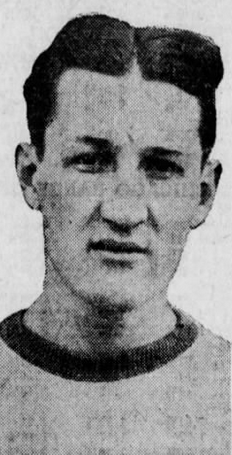
Ralph "Cooney" Weiland (November 5, 1904 – July 3, 1985) was a Canadian ice hockey forward who played for the Boston Bruins, Ottawa Senators, and Detroit Red Wings of the National Hockey League (NHL). Weiland was part of the Bruins' 1928 "Dynamite Line" with Dutch Gainor and Dit Clapper, one of the earliest "named" forward lines in NHL history. He was born in Egmondville, Ontario, but grew up in Seaforth, Ontario.
Weiland born to Henry Weiland and Sarah Beatty in Egmondville on Nov. 5, 1904. Growing up he was the second youngest of out of eight children His father was a cooper for Seaforth’s Ament Cooperage, two of his older brothers died during WW1. He grew up skating at a local rink where started to develop his hockey skills at an early age, during this time he developed the nickname ‘Cooney’.
Weiland began playing junior hockey in Seaforth, where he spent three seasons with his hometown team. In 1923 he moved to Owen Sound, Ontario to attend school, planning a career as a druggist. He joined that city's junior team, the Owen Sound Greys, and led them to the 1924 Memorial Cup as Canadian champions. He was the club's top scorer with 68 goals in 25 games.
After the Greys lost the 1925 OHA final to Toronto Aura Lee, Weiland began a three-year stint with the Minneapolis Millers of the old American Hockey Association. That led to the start of his NHL career with Boston, where he celebrated his rookie campaign in 1928–29 with a Stanley Cup victory over the New York Rangers. It was the first Cup win in Bruins history.
In his second season during 1929–30, he was part of the Bruins dynamite line with Dutch Gainor and Dit Clapper. He scored a career best 43 goals and 73 points in 44 games. That year, the NHL allowed forward passing for the first time, but it did not create its offsides rule until December 1929. Weiland flourished under those conditions, capturing the leagues scoring title and shattering the NHL's single-season points record of 51 which had been set two years earlier by Montreal Canadiens legend Howie Morenz. Weiland held the record alone until 1942–43, when Doug Bentley of the Chicago Black Hawks tied it, and shared it for one more year—Boston's Herb Cain broke the record with 82 points in 1943–44.
Weiland scored four goals in Boston's 7–0 victory over the Pittsburgh Pirates on February 25, 1930, becoming the third Bruin to achieve the feat.
Weiland and the dynamite line continued to there dominance getting back to the Cup final again in 1930 but were swept by Montreal. However to years later The Dynamite Line was broken up in 1932 when Wieland was traded to the Ottawa Senators due to conflicts with his coach Art Ross. He had a brief career with Ottawa leading the team in scoring during the 1932-33 season. However once the depression hit owner Frank Ahearn was forced to sell Wieland to the Detroit Red. In Detroit he was paired with talented wingers Larry Aurie and Herbie Lewis putting up the best numbers of his career since his time in Boston. He help the team reach the Cup final for a third time in 1934. One of his fellow Red Wings that year was Teddy Graham, an old teammate from the 1924 Greys. Weiland returned to Boston in 1935 putting of solid numbers, and was named team captain from 1937 until he retired in 1939 with 173 goals and 333 points in 510 career games. But he ended his NHL playing career as he had begun it; helping the Bruins defeat the Toronto Maple Leafs to earn his and the teams second Stanley Cup.
One sports writer described Weiland as “a magician with the puck” “one of the slickest players of his era” who “tormented opposing defences with his trickery.” However, more than a great hockey player, Cooney Weiland was an “inspiration” to hundreds of team mates and players making him truly a hockey legend.
Hub AI
Cooney Weiland AI simulator
(@Cooney Weiland_simulator)
Cooney Weiland
Ralph "Cooney" Weiland (November 5, 1904 – July 3, 1985) was a Canadian ice hockey forward who played for the Boston Bruins, Ottawa Senators, and Detroit Red Wings of the National Hockey League (NHL). Weiland was part of the Bruins' 1928 "Dynamite Line" with Dutch Gainor and Dit Clapper, one of the earliest "named" forward lines in NHL history. He was born in Egmondville, Ontario, but grew up in Seaforth, Ontario.
Weiland born to Henry Weiland and Sarah Beatty in Egmondville on Nov. 5, 1904. Growing up he was the second youngest of out of eight children His father was a cooper for Seaforth’s Ament Cooperage, two of his older brothers died during WW1. He grew up skating at a local rink where started to develop his hockey skills at an early age, during this time he developed the nickname ‘Cooney’.
Weiland began playing junior hockey in Seaforth, where he spent three seasons with his hometown team. In 1923 he moved to Owen Sound, Ontario to attend school, planning a career as a druggist. He joined that city's junior team, the Owen Sound Greys, and led them to the 1924 Memorial Cup as Canadian champions. He was the club's top scorer with 68 goals in 25 games.
After the Greys lost the 1925 OHA final to Toronto Aura Lee, Weiland began a three-year stint with the Minneapolis Millers of the old American Hockey Association. That led to the start of his NHL career with Boston, where he celebrated his rookie campaign in 1928–29 with a Stanley Cup victory over the New York Rangers. It was the first Cup win in Bruins history.
In his second season during 1929–30, he was part of the Bruins dynamite line with Dutch Gainor and Dit Clapper. He scored a career best 43 goals and 73 points in 44 games. That year, the NHL allowed forward passing for the first time, but it did not create its offsides rule until December 1929. Weiland flourished under those conditions, capturing the leagues scoring title and shattering the NHL's single-season points record of 51 which had been set two years earlier by Montreal Canadiens legend Howie Morenz. Weiland held the record alone until 1942–43, when Doug Bentley of the Chicago Black Hawks tied it, and shared it for one more year—Boston's Herb Cain broke the record with 82 points in 1943–44.
Weiland scored four goals in Boston's 7–0 victory over the Pittsburgh Pirates on February 25, 1930, becoming the third Bruin to achieve the feat.
Weiland and the dynamite line continued to there dominance getting back to the Cup final again in 1930 but were swept by Montreal. However to years later The Dynamite Line was broken up in 1932 when Wieland was traded to the Ottawa Senators due to conflicts with his coach Art Ross. He had a brief career with Ottawa leading the team in scoring during the 1932-33 season. However once the depression hit owner Frank Ahearn was forced to sell Wieland to the Detroit Red. In Detroit he was paired with talented wingers Larry Aurie and Herbie Lewis putting up the best numbers of his career since his time in Boston. He help the team reach the Cup final for a third time in 1934. One of his fellow Red Wings that year was Teddy Graham, an old teammate from the 1924 Greys. Weiland returned to Boston in 1935 putting of solid numbers, and was named team captain from 1937 until he retired in 1939 with 173 goals and 333 points in 510 career games. But he ended his NHL playing career as he had begun it; helping the Bruins defeat the Toronto Maple Leafs to earn his and the teams second Stanley Cup.
One sports writer described Weiland as “a magician with the puck” “one of the slickest players of his era” who “tormented opposing defences with his trickery.” However, more than a great hockey player, Cooney Weiland was an “inspiration” to hundreds of team mates and players making him truly a hockey legend.
Recent media