
Recent from talks
CopperheadOS
Knowledge base stats:
Talk channels stats:
Members stats:
CopperheadOS
CopperheadOS is a mobile operating system for smartphones, based on the Android mobile platform. It adds privacy and security features to the official releases of the Android Open Source Project by Google. CopperheadOS is developed by Copperhead, a Canadian information security company. It is licensed under Creative Commons BY-NC-SA 4.0, although its source code is not available for public download.
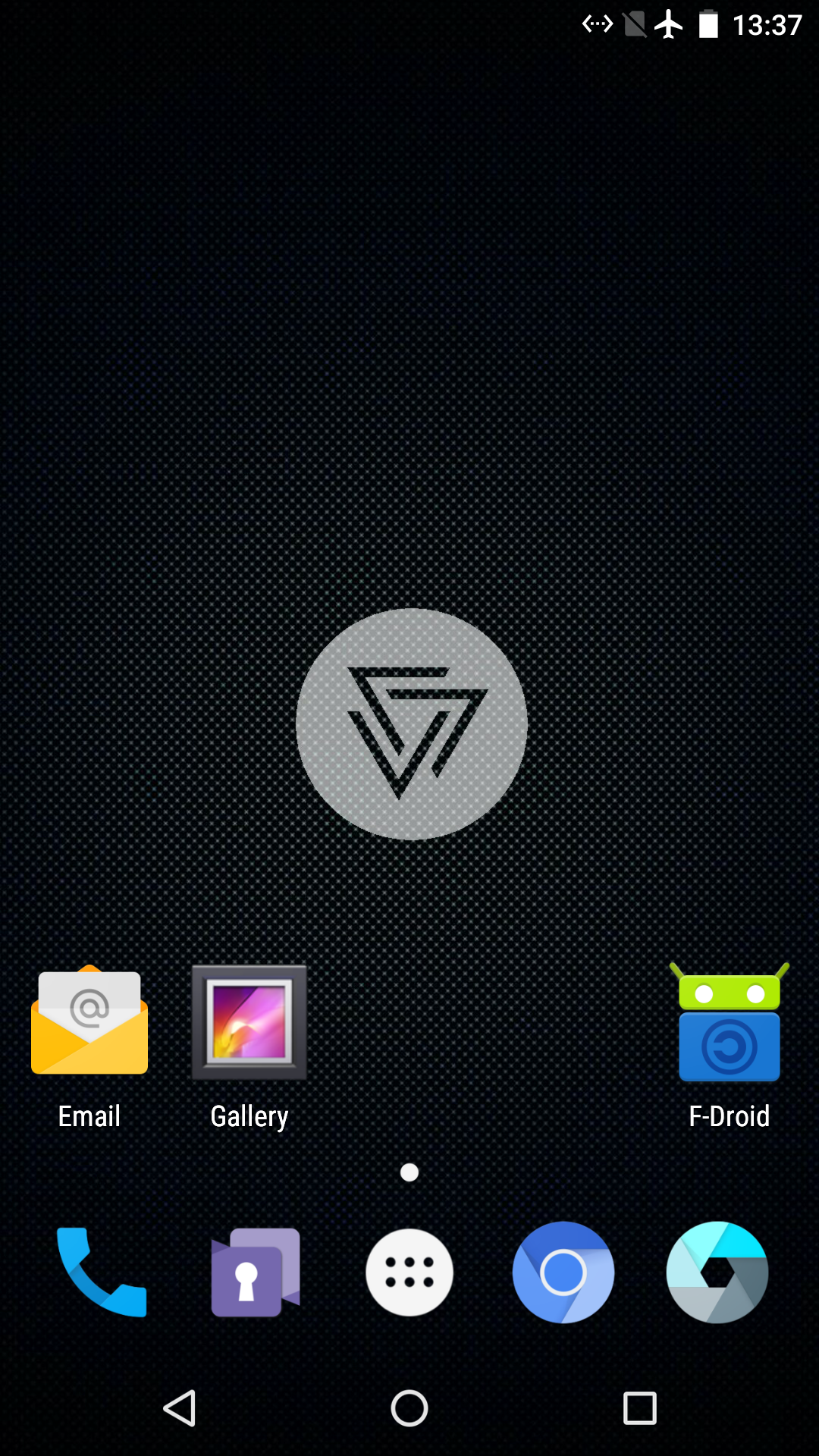
CopperheadOS supports smartphones in the Google Pixel product line; other devices are not targeted in order to preserve the resources of the development team. It has several security features not found in stock Android, such as a hardened version of the Linux kernel, and the ability to use separate passwords for unlocking the device and for encryption. Rather than use the Google Play Store found on most Android devices, CopperheadOS ships with the F-Droid store in order to reduce the risk of users installing malicious apps.
Development of CopperheadOS began in 2014, and the operating system had an initial alpha release in August 2015. This was followed by a beta release in February 2016, followed by several other releases targeting the Google Nexus and Pixel phones. The project was initially released under the GNU General Public License, with the project's source code publicly available on GitHub. In October 2016 the license was changed to Creative Commons Attribution-NonCommercial-ShareAlike (BY-NC-SA), and as of June 2020 access to the source code was restricted to members of Copperhead's partner network.
The CopperheadOS project was started in 2014 by Copperhead, an information security company based in Toronto, Canada. The company was founded in the same year by James Donaldson, the CEO, and Daniel Micay, the CTO and lead developer, and initially served clients in the Canadian legal and intelligence industries. During this work, the founders noticed an absence of secure, open-source operating systems for mobile devices, and they created CopperheadOS under an open source license to try to address this need.
Copperhead announced the development of CopperheadOS in April 2015. According to the announcement, the operating system was designed to be a "secure-by-default version of Android" aimed at privacy-conscious users. At first, CopperheadOS was licensed under the GNU General Public License, and the project's code was located on GitHub. Copperhead contributed several of their bug fixes and improvements developed for CopperheadOS to the Android Open Source Project, the main project for Android development by Google.
In August 2015, Copperhead released the first alpha version of CopperheadOS. At this point, the project was based on CyanogenMod, and included support for the Google Nexus 5 and Samsung Galaxy S4. This was followed by a beta version in February 2016, with support for the Nexus 5, Nexus 9 and Nexus 5X. The beta was based directly on the Android Open Source Project instead of using CyanogenMod, as were subsequent releases. The move away from CyanogenMod and the lack of vendor support led to dropping support for the Samsung Galaxy S4. In May 2016, Copperhead launched an online store where the Nexus 5X could be purchased directly with CopperheadOS pre-loaded. The Nexus 6P was made available for purchase from the store in July of the same year.
From October 2016, for versions of CopperheadOS based on Android 7.0 Nougat, Copperhead changed the CopperheadOS license to the Creative Commons Attribution-NonCommercial-ShareAlike (BY-NC-SA) license. According to Donaldson, this was to prevent other companies from using the CopperheadOS code without paying Copperhead for licensing, in order to keep the project sustainable.
Copperhead began selling Google Pixel phones pre-loaded with CopperheadOS in March 2017, in addition to their lineup of Nexus phones. For Nexus devices, users could download and install CopperheadOS for free; however, this option was not made available for Pixel phones. For Pixel phones, users could either buy a phone from the Copperhead store with CopperheadOS pre-loaded, or send their own phone to Copperhead for the operating system to be installed on it. This was done to prevent violations of CopperheadOS's non-commercial license; Copperhead competitors had been selling Nexus phones with CopperheadOS installed without obtaining a commercial license, and Copperhead wanted to avoid this issue with the Pixel. The issue came to a head in November the same year, when Copperhead briefly shut down the update server for Nexus devices in order to stop the continued license violations. The company restored the update server after two days.
Hub AI
CopperheadOS AI simulator
(@CopperheadOS_simulator)
CopperheadOS
CopperheadOS is a mobile operating system for smartphones, based on the Android mobile platform. It adds privacy and security features to the official releases of the Android Open Source Project by Google. CopperheadOS is developed by Copperhead, a Canadian information security company. It is licensed under Creative Commons BY-NC-SA 4.0, although its source code is not available for public download.
CopperheadOS supports smartphones in the Google Pixel product line; other devices are not targeted in order to preserve the resources of the development team. It has several security features not found in stock Android, such as a hardened version of the Linux kernel, and the ability to use separate passwords for unlocking the device and for encryption. Rather than use the Google Play Store found on most Android devices, CopperheadOS ships with the F-Droid store in order to reduce the risk of users installing malicious apps.
Development of CopperheadOS began in 2014, and the operating system had an initial alpha release in August 2015. This was followed by a beta release in February 2016, followed by several other releases targeting the Google Nexus and Pixel phones. The project was initially released under the GNU General Public License, with the project's source code publicly available on GitHub. In October 2016 the license was changed to Creative Commons Attribution-NonCommercial-ShareAlike (BY-NC-SA), and as of June 2020 access to the source code was restricted to members of Copperhead's partner network.
The CopperheadOS project was started in 2014 by Copperhead, an information security company based in Toronto, Canada. The company was founded in the same year by James Donaldson, the CEO, and Daniel Micay, the CTO and lead developer, and initially served clients in the Canadian legal and intelligence industries. During this work, the founders noticed an absence of secure, open-source operating systems for mobile devices, and they created CopperheadOS under an open source license to try to address this need.
Copperhead announced the development of CopperheadOS in April 2015. According to the announcement, the operating system was designed to be a "secure-by-default version of Android" aimed at privacy-conscious users. At first, CopperheadOS was licensed under the GNU General Public License, and the project's code was located on GitHub. Copperhead contributed several of their bug fixes and improvements developed for CopperheadOS to the Android Open Source Project, the main project for Android development by Google.
In August 2015, Copperhead released the first alpha version of CopperheadOS. At this point, the project was based on CyanogenMod, and included support for the Google Nexus 5 and Samsung Galaxy S4. This was followed by a beta version in February 2016, with support for the Nexus 5, Nexus 9 and Nexus 5X. The beta was based directly on the Android Open Source Project instead of using CyanogenMod, as were subsequent releases. The move away from CyanogenMod and the lack of vendor support led to dropping support for the Samsung Galaxy S4. In May 2016, Copperhead launched an online store where the Nexus 5X could be purchased directly with CopperheadOS pre-loaded. The Nexus 6P was made available for purchase from the store in July of the same year.
From October 2016, for versions of CopperheadOS based on Android 7.0 Nougat, Copperhead changed the CopperheadOS license to the Creative Commons Attribution-NonCommercial-ShareAlike (BY-NC-SA) license. According to Donaldson, this was to prevent other companies from using the CopperheadOS code without paying Copperhead for licensing, in order to keep the project sustainable.
Copperhead began selling Google Pixel phones pre-loaded with CopperheadOS in March 2017, in addition to their lineup of Nexus phones. For Nexus devices, users could download and install CopperheadOS for free; however, this option was not made available for Pixel phones. For Pixel phones, users could either buy a phone from the Copperhead store with CopperheadOS pre-loaded, or send their own phone to Copperhead for the operating system to be installed on it. This was done to prevent violations of CopperheadOS's non-commercial license; Copperhead competitors had been selling Nexus phones with CopperheadOS installed without obtaining a commercial license, and Copperhead wanted to avoid this issue with the Pixel. The issue came to a head in November the same year, when Copperhead briefly shut down the update server for Nexus devices in order to stop the continued license violations. The company restored the update server after two days.
Recent media