
Recent from talks
Counterintelligence Corps
Knowledge base stats:
Talk channels stats:
Members stats:
Counterintelligence Corps
The Counter Intelligence Corps (Army CIC) was a World War II and early Cold War intelligence agency within the United States Army consisting of highly trained special agents. Its role was taken over by the U.S. Army Intelligence Corps in 1961 and, in 1967, by the United States Army Intelligence Agency. Its functions are now performed by its modern-day descendant organization, United States Army Counterintelligence. The National Counter Intelligence Corps Association (NCICA), a veterans' association, was established in the years immediately following World War II by former military intelligence agents.
The CIC had its origins in the Corps of Intelligence Police founded by Ralph Van Deman in 1917. This organization, operating within the USA and on attachment to the American Expeditionary Force in France, at its peak numbered over 600 men. However, in the post-war period, the policy of isolationism, retrenchment of military spending, and economic depression meant that by the mid-1930s its numbers had fallen to fewer than 20 personnel.
The looming threat of war in the late 1930s brought an expansion of the CIP back to its World War I levels, and the entry of the United States into World War II in December 1941 brought an even greater expansion and a new name. On 13 December 1941, the Adjutant General of the Army issued an order renaming the CIP as the Counter Intelligence Corps, effective from 1 January 1942. A new complement of 543 officers and 4,431 non-commissioned agents was authorized. Garland H. Williams was the first Chief of the School and CIC. The CIC recruited men with legal, police, or other investigative backgrounds, and particularly looked for men with foreign language skills. Special CIC teams were created during World War II in Europe, in large part from the Military Intelligence Service personnel (see Ritchie Boys). However, there were never enough of these, and local interpreters were often recruited.
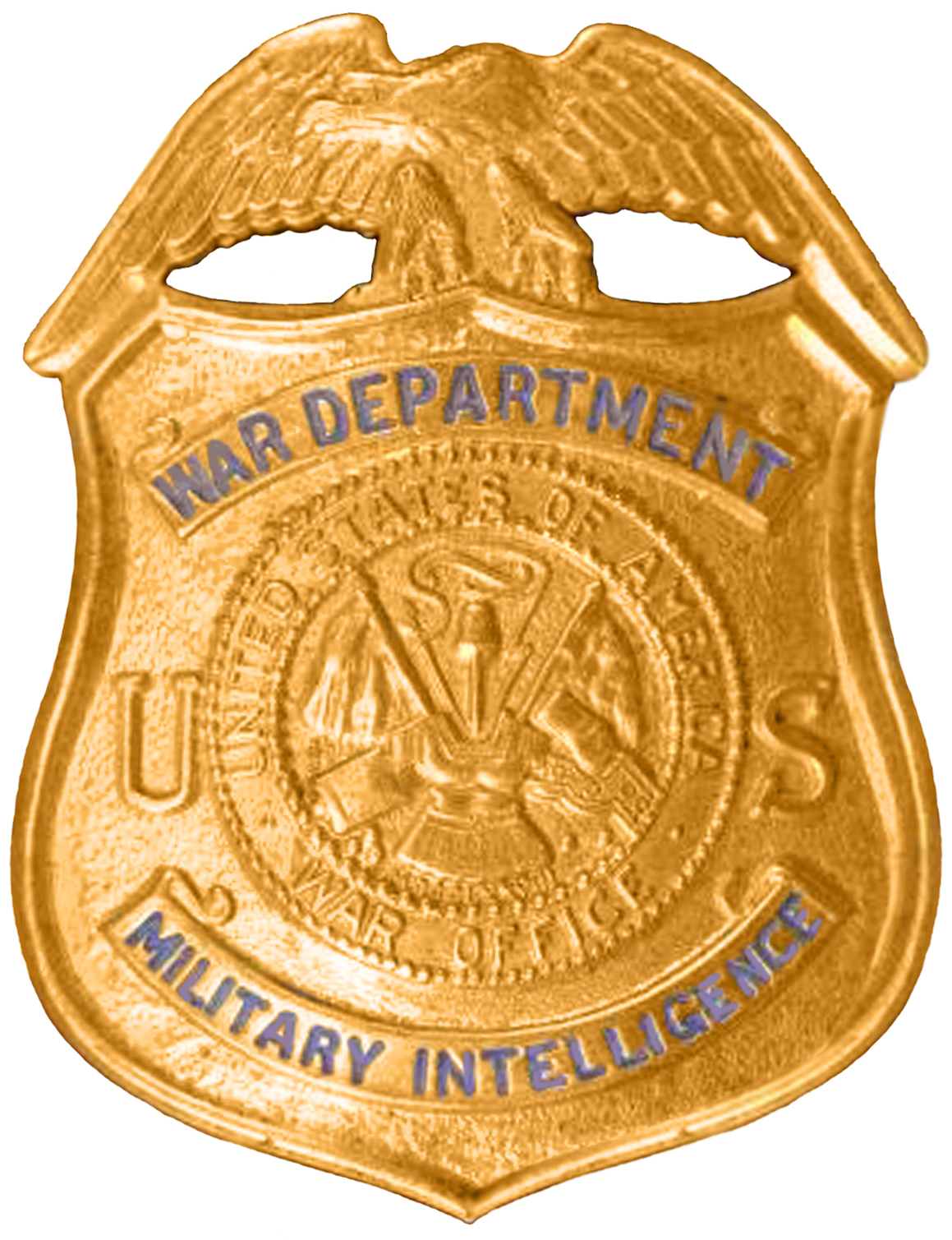
As most CIC agents in the field (as well as Military Intelligence Service in Europe) held only non-commissioned officer rank— corporals and various grades of sergeant— they wore either plain clothes, or uniforms without badges of rank; in place of rank insignia, and so as not to be perceived as privates, agents typically wore officer "U.S." collar insignia. They were instructed to identify themselves only as "Agent" or "Special Agent" as appropriate, in order to facilitate their work. These practices continue among modern counterintelligence agents.
Within the U.S. the CIC, in collaboration with the Provost Marshal General and the Federal Bureau of Investigation (FBI), carried out background checks on military personnel having access to classified material, investigations of possible sabotage and subversion, and allegations of disloyalty, especially those directed against Americans of Japanese, Italian or German ancestry. Despite the prohibitions in the delimitation agreement with the FBI, the CIC ended up devoting considerable effort to civilian investigations. As Volume 7 of The History of the Counter Intelligence Corps explains: "Espionage and sabotage, being enemy directed, involved more than one person. Usually there were a number in the chain extending from the agent in the United States back through cutouts and couriers to the enemy country. This inevitably involved civilians with military suspects and the case became connected with the FBI. The military aspect became minor, and major investigative effort was in the civilian community to locate the higher-ups who presumably were controlling more than one agent."
However the use of informants within the Army became politically controversial, and CIC was forced to curtail its activities. In particular, the CIC was ordered to cease its domestic investigations, to destroy its investigative records, and to ship its agents out to overseas theaters. The reason for this sudden and unprecedented expulsion has never been clarified. One leading theory was expressed in the official history of the Corps, "the speed [of these events] left little doubt that someone—possibly Communists who still held key positions in government—was determined to halt CIC investigative activities in the United States". Another possible explanation is that the CIC mistakenly bugged the hotel room of Eleanor Roosevelt and incurred the President's wrath. In any event, the CIC protected the investigative records it had so painstakingly accumulated. According to Sayer and Botting (p. 47) "When the command was given to cease any investigations of known or suspected Communists and destroy all files on such persons immediately, eight of the nine Corps Area Commanders took the remarkable step of disobeying this order". According to the official history of the Corps, this information proved highly valuable in controlling communism: "the information acquired by CIC from May 1941 to September 1945 regarding communism and its adherents played a major part in keeping communism under control in the United States ever since".
CIC units were also involved in providing security for the Manhattan Project, including duty as couriers of fissionable bomb materials from Los Alamos, New Mexico to Tinian. They also operated in 1945 at the United Nations Organizing Conference in San Francisco, over which Alger Hiss presided as secretary-general. Three years later, when Alger Hiss was accused of being a Communist and filed a libel suit against his accuser, his lawyers unwittingly hired an undercover CIC Special Agent as their Chief Investigator to help prepare his libel suit.
In the European and Pacific theaters of operations CIC deployed detachments at all levels. These detachments provided tactical intelligence about the enemy from captured documents, interrogations of captured troops, and from para-military and civilian sources. They were also involved in providing security for military installations and staging areas, located enemy agents, and acted to counter stay-behind networks. They also provided training to combat units in security, censorship, the seizure of documents, and the dangers of booby traps. In some cases CIC agents such as Henry Kissinger found themselves acting as the de facto military government on the occupation of large towns before the arrival of Allied Military Government for Occupied Territories (AMGOT) officers. As the war in Europe came to a close, CIC were involved in the Operations Alsos, Paperclip and TICOM, searching for German personnel and research in atomic weapons, rockets and cryptography.
Hub AI
Counterintelligence Corps AI simulator
(@Counterintelligence Corps_simulator)
Counterintelligence Corps
The Counter Intelligence Corps (Army CIC) was a World War II and early Cold War intelligence agency within the United States Army consisting of highly trained special agents. Its role was taken over by the U.S. Army Intelligence Corps in 1961 and, in 1967, by the United States Army Intelligence Agency. Its functions are now performed by its modern-day descendant organization, United States Army Counterintelligence. The National Counter Intelligence Corps Association (NCICA), a veterans' association, was established in the years immediately following World War II by former military intelligence agents.
The CIC had its origins in the Corps of Intelligence Police founded by Ralph Van Deman in 1917. This organization, operating within the USA and on attachment to the American Expeditionary Force in France, at its peak numbered over 600 men. However, in the post-war period, the policy of isolationism, retrenchment of military spending, and economic depression meant that by the mid-1930s its numbers had fallen to fewer than 20 personnel.
The looming threat of war in the late 1930s brought an expansion of the CIP back to its World War I levels, and the entry of the United States into World War II in December 1941 brought an even greater expansion and a new name. On 13 December 1941, the Adjutant General of the Army issued an order renaming the CIP as the Counter Intelligence Corps, effective from 1 January 1942. A new complement of 543 officers and 4,431 non-commissioned agents was authorized. Garland H. Williams was the first Chief of the School and CIC. The CIC recruited men with legal, police, or other investigative backgrounds, and particularly looked for men with foreign language skills. Special CIC teams were created during World War II in Europe, in large part from the Military Intelligence Service personnel (see Ritchie Boys). However, there were never enough of these, and local interpreters were often recruited.
As most CIC agents in the field (as well as Military Intelligence Service in Europe) held only non-commissioned officer rank— corporals and various grades of sergeant— they wore either plain clothes, or uniforms without badges of rank; in place of rank insignia, and so as not to be perceived as privates, agents typically wore officer "U.S." collar insignia. They were instructed to identify themselves only as "Agent" or "Special Agent" as appropriate, in order to facilitate their work. These practices continue among modern counterintelligence agents.
Within the U.S. the CIC, in collaboration with the Provost Marshal General and the Federal Bureau of Investigation (FBI), carried out background checks on military personnel having access to classified material, investigations of possible sabotage and subversion, and allegations of disloyalty, especially those directed against Americans of Japanese, Italian or German ancestry. Despite the prohibitions in the delimitation agreement with the FBI, the CIC ended up devoting considerable effort to civilian investigations. As Volume 7 of The History of the Counter Intelligence Corps explains: "Espionage and sabotage, being enemy directed, involved more than one person. Usually there were a number in the chain extending from the agent in the United States back through cutouts and couriers to the enemy country. This inevitably involved civilians with military suspects and the case became connected with the FBI. The military aspect became minor, and major investigative effort was in the civilian community to locate the higher-ups who presumably were controlling more than one agent."
However the use of informants within the Army became politically controversial, and CIC was forced to curtail its activities. In particular, the CIC was ordered to cease its domestic investigations, to destroy its investigative records, and to ship its agents out to overseas theaters. The reason for this sudden and unprecedented expulsion has never been clarified. One leading theory was expressed in the official history of the Corps, "the speed [of these events] left little doubt that someone—possibly Communists who still held key positions in government—was determined to halt CIC investigative activities in the United States". Another possible explanation is that the CIC mistakenly bugged the hotel room of Eleanor Roosevelt and incurred the President's wrath. In any event, the CIC protected the investigative records it had so painstakingly accumulated. According to Sayer and Botting (p. 47) "When the command was given to cease any investigations of known or suspected Communists and destroy all files on such persons immediately, eight of the nine Corps Area Commanders took the remarkable step of disobeying this order". According to the official history of the Corps, this information proved highly valuable in controlling communism: "the information acquired by CIC from May 1941 to September 1945 regarding communism and its adherents played a major part in keeping communism under control in the United States ever since".
CIC units were also involved in providing security for the Manhattan Project, including duty as couriers of fissionable bomb materials from Los Alamos, New Mexico to Tinian. They also operated in 1945 at the United Nations Organizing Conference in San Francisco, over which Alger Hiss presided as secretary-general. Three years later, when Alger Hiss was accused of being a Communist and filed a libel suit against his accuser, his lawyers unwittingly hired an undercover CIC Special Agent as their Chief Investigator to help prepare his libel suit.
In the European and Pacific theaters of operations CIC deployed detachments at all levels. These detachments provided tactical intelligence about the enemy from captured documents, interrogations of captured troops, and from para-military and civilian sources. They were also involved in providing security for military installations and staging areas, located enemy agents, and acted to counter stay-behind networks. They also provided training to combat units in security, censorship, the seizure of documents, and the dangers of booby traps. In some cases CIC agents such as Henry Kissinger found themselves acting as the de facto military government on the occupation of large towns before the arrival of Allied Military Government for Occupied Territories (AMGOT) officers. As the war in Europe came to a close, CIC were involved in the Operations Alsos, Paperclip and TICOM, searching for German personnel and research in atomic weapons, rockets and cryptography.
Recent media