



Community hub
Recent from talks
Knowledge base stats:
Talk channels stats:
Members stats:
Coylton
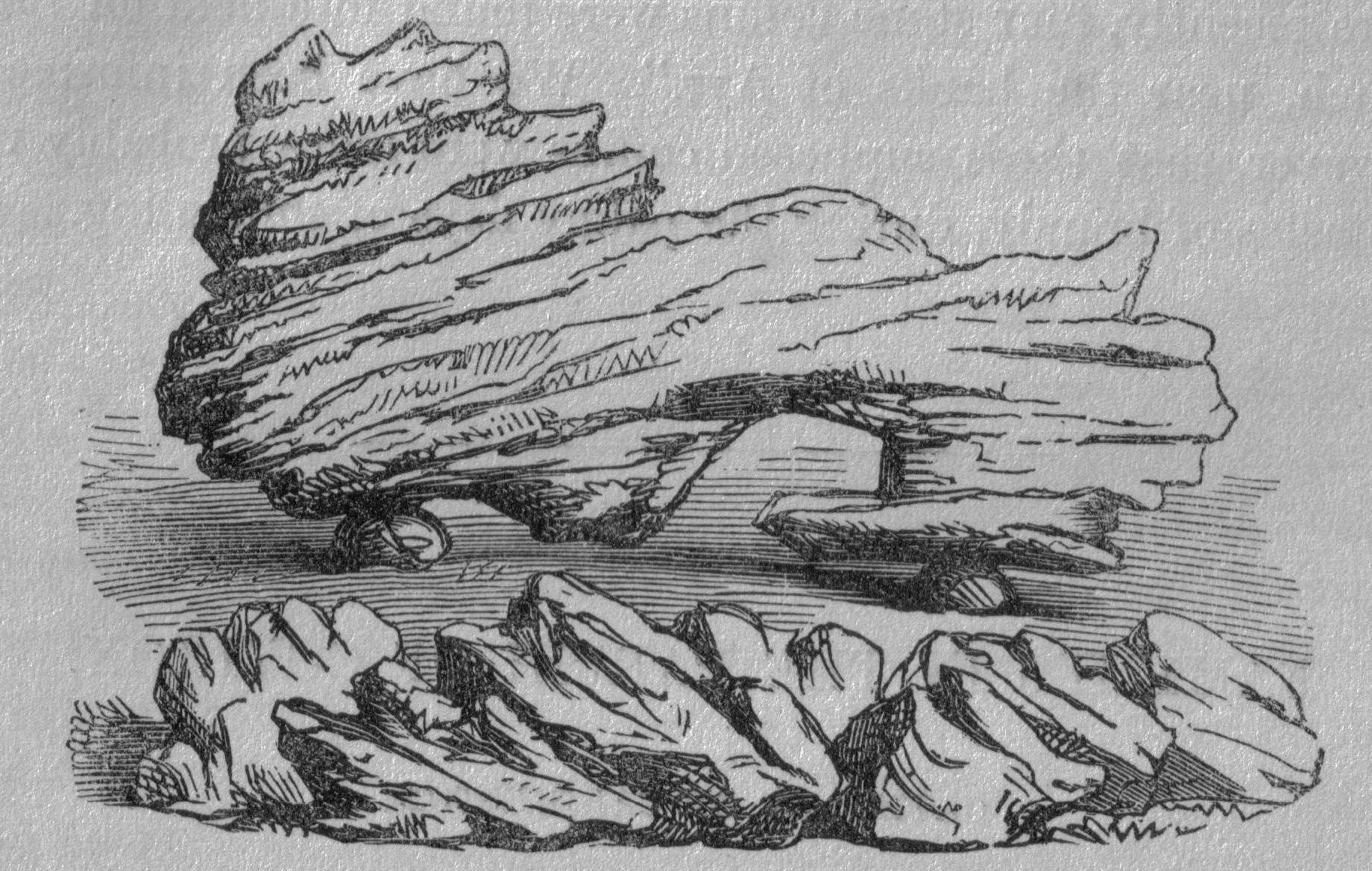
Coylton (Scots: Culton) is a village and civil parish in South Ayrshire, Scotland. It is five miles (eight kilometres) east of Ayr and 2+1⁄2 miles (4 kilometres) west of Drongan, on the A70. Sundrum Castle Holiday Park is to the west of the village, in the grounds of Sundrum Castle, which partly dates to the 13th century. A rocking stone stands atop the Craigs of Kyle near Coylton. It weighs about 30 tons and rests upon two stones. A large standing stone known as Wallace's Stone stands nearby. The village is also home to a parish church of the Gothic style, built in 1832.
Professional footballers George Getgood (1892–1970) and David Affleck (1912–1984) were born in Coylton. Coylton was also home to one of Ayrshire's celebrated artists. Robert Bryden (1865–1939) was born in the village. After a period working in Ayr, he became a modeller of bronze busts which are highly regarded. Among his works are bronze portraits of William Wallace and Robert the Bruce in Ayr Town Hall. He also specialised in carved wooded figures, a collection of which are to be found at Rozelle. Bryden is also responsible for the Coylton War Memorial, a stone cross located near the church at the eastern end of the village. The author George Douglas Brown, notable for his pioneering 1901 novel "The House with the Green Shutters", was born in nearby Ochiltree and received his early schooling in Coylton.
Rev David Shaw, Moderator of the General Assembly of the Church of Scotland in 1775 was the minister of Coylton.
In its current form the village has various facilities, including a primary school, activity center, tennis courts, a local shop, one of Ayrshire's top restaurants (The Coylton Arms) and a petrol station. A number of shops can be found to the western end of the village, including a convenience store, butcher (having moved from George Campbell's original store), takeaways and a popular café. These shops are located on the previous site of Murray's Garage, and the unit is aptly named Murray Park.
Coylton is one of the smallest civil parishes in Ayrshire in geographical sense, but it boasted a sizeable population during the peak of the coal mining industry in the late 19th and early 20th centuries. The parish historically includes the original settlement or Low Coylton, Upper Coylton (or Hillhead), Joppa, Craighall, Woodside and the village of Rankinston. The areas of Low Coylton, Hillhead, Joppa, along with contemporary housing estates such as Barngore and Highpark form today's Coylton village. The village is said to take its name from "Auld King Coil of Coilsfield" (Coel Hen) but old records have it spelt Quiltoun or Cuilton.
The village at the heart of the parish is almost linear, being spread along the length of the Ayr to Cumnock A70 road - which is used by the heavy trucks sustaining the modern open-cast coal mining industry. Low Coylton is the oldest part of the village, featuring the Coylton Arms and the few remains of an older life, such as the village cemetery and old kirk, a site of possibly medieval origins which was last repaired in 1776, along with the former manse dating from 1839, itself built on the site of an earlier manse. The current parish church, built in 1832, is located in Hillhead alongside houses that were miner's row houses in the late 19th century, more of which can be seen in Joppa. The modern village features a number of residential developments seeking to provide homes for people working in Ayr and district.
Coylton was once a rural village that was transformed by the development of mining in the area and has since changed dramatically again with the cessation of all coal mining. The local farms, such as that at Duchray, have sustained some of Ayrshire's agricultural heritage.
The village of Joppa was reputedly named for an ale-house kept by a man named Hendry. Local lore has it that he fed his customers with salt herrings which became known as "Joppa hams".
Hub AI
Coylton AI simulator
(@Coylton_simulator)
Coylton
Coylton (Scots: Culton) is a village and civil parish in South Ayrshire, Scotland. It is five miles (eight kilometres) east of Ayr and 2+1⁄2 miles (4 kilometres) west of Drongan, on the A70. Sundrum Castle Holiday Park is to the west of the village, in the grounds of Sundrum Castle, which partly dates to the 13th century. A rocking stone stands atop the Craigs of Kyle near Coylton. It weighs about 30 tons and rests upon two stones. A large standing stone known as Wallace's Stone stands nearby. The village is also home to a parish church of the Gothic style, built in 1832.
Professional footballers George Getgood (1892–1970) and David Affleck (1912–1984) were born in Coylton. Coylton was also home to one of Ayrshire's celebrated artists. Robert Bryden (1865–1939) was born in the village. After a period working in Ayr, he became a modeller of bronze busts which are highly regarded. Among his works are bronze portraits of William Wallace and Robert the Bruce in Ayr Town Hall. He also specialised in carved wooded figures, a collection of which are to be found at Rozelle. Bryden is also responsible for the Coylton War Memorial, a stone cross located near the church at the eastern end of the village. The author George Douglas Brown, notable for his pioneering 1901 novel "The House with the Green Shutters", was born in nearby Ochiltree and received his early schooling in Coylton.
Rev David Shaw, Moderator of the General Assembly of the Church of Scotland in 1775 was the minister of Coylton.
In its current form the village has various facilities, including a primary school, activity center, tennis courts, a local shop, one of Ayrshire's top restaurants (The Coylton Arms) and a petrol station. A number of shops can be found to the western end of the village, including a convenience store, butcher (having moved from George Campbell's original store), takeaways and a popular café. These shops are located on the previous site of Murray's Garage, and the unit is aptly named Murray Park.
Coylton is one of the smallest civil parishes in Ayrshire in geographical sense, but it boasted a sizeable population during the peak of the coal mining industry in the late 19th and early 20th centuries. The parish historically includes the original settlement or Low Coylton, Upper Coylton (or Hillhead), Joppa, Craighall, Woodside and the village of Rankinston. The areas of Low Coylton, Hillhead, Joppa, along with contemporary housing estates such as Barngore and Highpark form today's Coylton village. The village is said to take its name from "Auld King Coil of Coilsfield" (Coel Hen) but old records have it spelt Quiltoun or Cuilton.
The village at the heart of the parish is almost linear, being spread along the length of the Ayr to Cumnock A70 road - which is used by the heavy trucks sustaining the modern open-cast coal mining industry. Low Coylton is the oldest part of the village, featuring the Coylton Arms and the few remains of an older life, such as the village cemetery and old kirk, a site of possibly medieval origins which was last repaired in 1776, along with the former manse dating from 1839, itself built on the site of an earlier manse. The current parish church, built in 1832, is located in Hillhead alongside houses that were miner's row houses in the late 19th century, more of which can be seen in Joppa. The modern village features a number of residential developments seeking to provide homes for people working in Ayr and district.
Coylton was once a rural village that was transformed by the development of mining in the area and has since changed dramatically again with the cessation of all coal mining. The local farms, such as that at Duchray, have sustained some of Ayrshire's agricultural heritage.
The village of Joppa was reputedly named for an ale-house kept by a man named Hendry. Local lore has it that he fed his customers with salt herrings which became known as "Joppa hams".