



Community hub
Recent from talks
Knowledge base stats:
Talk channels stats:
Members stats:
Craigmillar
Craigmillar (from Gaelic Creag a' Mhaol Àird, "rock of the bare summit") is an area of Edinburgh, Scotland, about 3 miles (4.8 km) south east of the city centre, with Duddingston to the north and Newcraighall to the east.
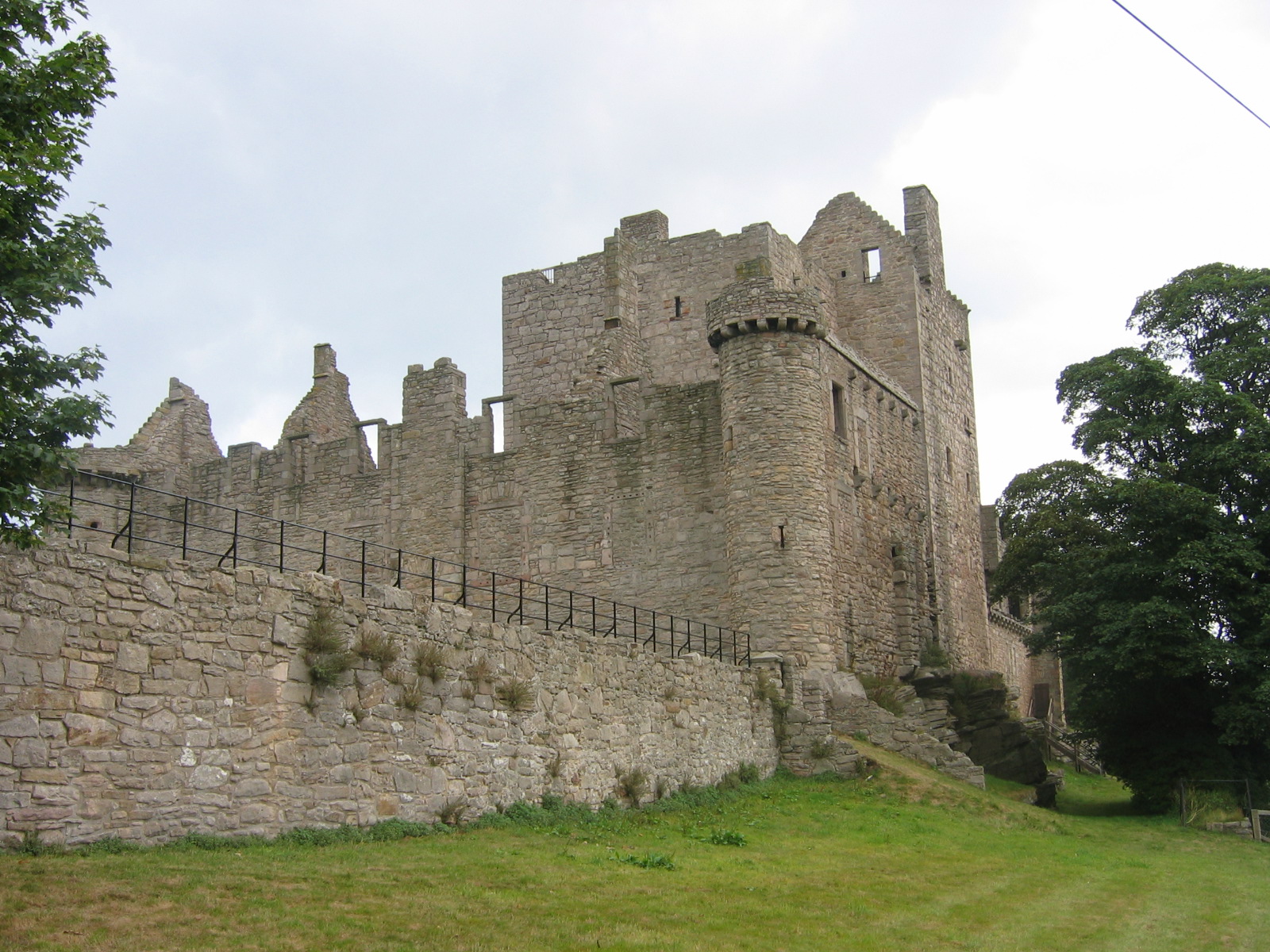
Despite the relative modernity of most of the housing in the area, the settlement of Craigmillar itself is very old, and contains Craigmillar Castle. The castle was begun in the late 14th or early 15th century, and was occupied until the early 18th century. In 1660, the Craigmillar estate was bought by Sir John Gilmour.
The housing scheme at Niddrie Mains was created through the Housing (Scotland) Act of 1924, with lands bought from the Wauchope Estate. The ancient heart of the estate, Niddrie Marischal House, survived for a few years before being demolished, but an C18th mausoleum formerly attached to the house survives off Niddrie Marischal Terrace. The Niddrie Mains area was designed and laid out by the then City Architect, Ebenezer James MacRae from 1927. The separate Craigmillar estate, immediately below the castle, was planned in 1936, largely by the architect Thomas Smith. By 2000 the area consisted mainly of high-density inter-war and post-war public housing schemes, ranging from 1920s tenements to high-rise tower blocks. After 2000 the City of Edinburgh Council decided to demolish, rather than refurbish, around 2000 homes in Niddrie Mains, with only a handful of dwellings and two interwar listed schools being retained. At the same time much of the interwar Craigmillar estate was either demolished or refurbished. Between 1945 and 1950 the Thistle Foundation, a housing complex for disabled ex-servicemen was built, being designed in a traditional style by architects Lorimer & Matthew. Its centrepiece is the A-listed Robin Chapel built between 1949-52 in a Scottish Arts and Crafts style by the architect John F Matthew to commemorate Robin Tudsbury.
The late 19th and early 20th centuries saw seven breweries being built in what was open country at Craigmillar/Duddingston, concentrated in a small area beside the railway line and taking advantage of the local aquifers providing excellent water for brewing. The first of these was the Craigmillar Brewery of William Murray & Co. Ltd built in 1886 and followed within a few years by Andrew Drybrough's brewery, also called the Craigmillar Brewery (1892), the Duddingston Brewery built by Pattisons Ltd (1896), bought by Robert Deuchar Ltd in 1899 following Pattisons' liquidation, the North British Brewery (1897) which was taken over by Murray's in 1927 becoming known as Murray's No. 2 Brewery, Maclauchlan's Castle Brewery, Raeburn's New Craigmillar Brewery and Paterson's Pentland Brewery, all opening in 1901. These breweries stopped brewing at various times, mainly in the 1960s, but Drybrough's survived for several years and ceased brewing in January 1987.
In 2009 The National Library of Scotland released maps for the Craigmillar Area
OpenStreetMap volunteers completed OpenStreetMap Craigmillar in January 2009.
Craigmillar saw riots in the 1980s, amid complaints about the lack of facilities in the area. Both the library and Arts Centre were won by grassroots-based community action trying to tackle the area's social problems. One such venture was the Craigmillar Festival Society, which was active from 1962 until 2002.
The area also had a large concrete sculpture/play-structure, created by artist Jimmy Boyle called Gulliver, The Gentle Giant that cares and shares. It was built for the Craigmillar Festival Society in 1976, and largely demolished in 2011 when the Niddrie Burn was re-routed through Hunter's Hall Park, the remaining portion being listed in 2023. The University of Edinburgh has playing fields in this area, including one of the oldest modern-style shinty fields in Scotland.
Hub AI
Craigmillar AI simulator
(@Craigmillar_simulator)
Craigmillar
Craigmillar (from Gaelic Creag a' Mhaol Àird, "rock of the bare summit") is an area of Edinburgh, Scotland, about 3 miles (4.8 km) south east of the city centre, with Duddingston to the north and Newcraighall to the east.
Despite the relative modernity of most of the housing in the area, the settlement of Craigmillar itself is very old, and contains Craigmillar Castle. The castle was begun in the late 14th or early 15th century, and was occupied until the early 18th century. In 1660, the Craigmillar estate was bought by Sir John Gilmour.
The housing scheme at Niddrie Mains was created through the Housing (Scotland) Act of 1924, with lands bought from the Wauchope Estate. The ancient heart of the estate, Niddrie Marischal House, survived for a few years before being demolished, but an C18th mausoleum formerly attached to the house survives off Niddrie Marischal Terrace. The Niddrie Mains area was designed and laid out by the then City Architect, Ebenezer James MacRae from 1927. The separate Craigmillar estate, immediately below the castle, was planned in 1936, largely by the architect Thomas Smith. By 2000 the area consisted mainly of high-density inter-war and post-war public housing schemes, ranging from 1920s tenements to high-rise tower blocks. After 2000 the City of Edinburgh Council decided to demolish, rather than refurbish, around 2000 homes in Niddrie Mains, with only a handful of dwellings and two interwar listed schools being retained. At the same time much of the interwar Craigmillar estate was either demolished or refurbished. Between 1945 and 1950 the Thistle Foundation, a housing complex for disabled ex-servicemen was built, being designed in a traditional style by architects Lorimer & Matthew. Its centrepiece is the A-listed Robin Chapel built between 1949-52 in a Scottish Arts and Crafts style by the architect John F Matthew to commemorate Robin Tudsbury.
The late 19th and early 20th centuries saw seven breweries being built in what was open country at Craigmillar/Duddingston, concentrated in a small area beside the railway line and taking advantage of the local aquifers providing excellent water for brewing. The first of these was the Craigmillar Brewery of William Murray & Co. Ltd built in 1886 and followed within a few years by Andrew Drybrough's brewery, also called the Craigmillar Brewery (1892), the Duddingston Brewery built by Pattisons Ltd (1896), bought by Robert Deuchar Ltd in 1899 following Pattisons' liquidation, the North British Brewery (1897) which was taken over by Murray's in 1927 becoming known as Murray's No. 2 Brewery, Maclauchlan's Castle Brewery, Raeburn's New Craigmillar Brewery and Paterson's Pentland Brewery, all opening in 1901. These breweries stopped brewing at various times, mainly in the 1960s, but Drybrough's survived for several years and ceased brewing in January 1987.
In 2009 The National Library of Scotland released maps for the Craigmillar Area
OpenStreetMap volunteers completed OpenStreetMap Craigmillar in January 2009.
Craigmillar saw riots in the 1980s, amid complaints about the lack of facilities in the area. Both the library and Arts Centre were won by grassroots-based community action trying to tackle the area's social problems. One such venture was the Craigmillar Festival Society, which was active from 1962 until 2002.
The area also had a large concrete sculpture/play-structure, created by artist Jimmy Boyle called Gulliver, The Gentle Giant that cares and shares. It was built for the Craigmillar Festival Society in 1976, and largely demolished in 2011 when the Niddrie Burn was re-routed through Hunter's Hall Park, the remaining portion being listed in 2023. The University of Edinburgh has playing fields in this area, including one of the oldest modern-style shinty fields in Scotland.