



Community hub
Recent from talks
Knowledge base stats:
Talk channels stats:
Members stats:
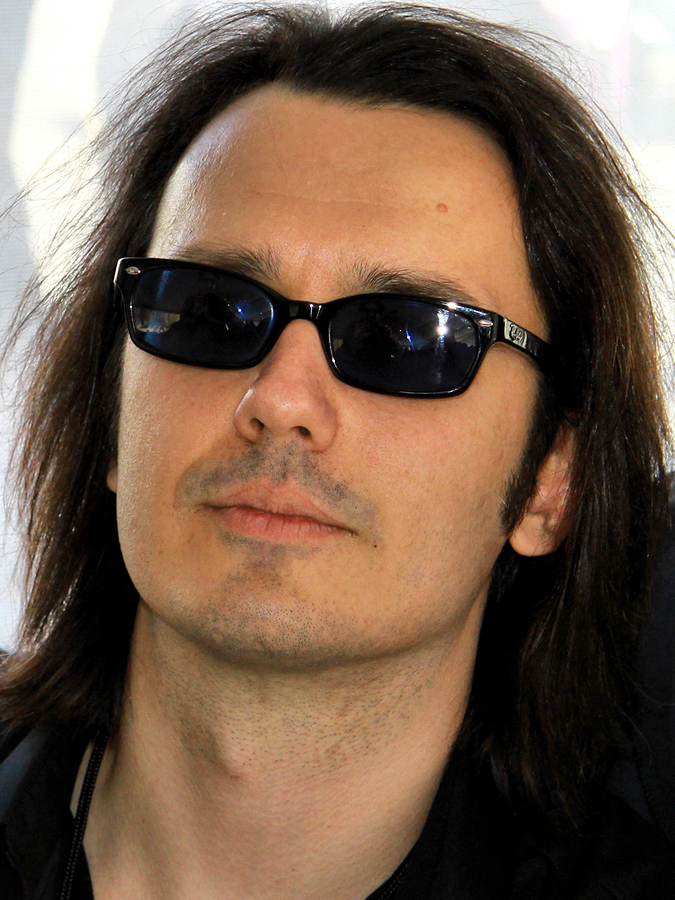
Damien Echols
Damien Wayne Echols (born Michael Wayne Hutchison; December 11, 1974) is an American author who first became known as one of three teenagers, the West Memphis Three, convicted of a triple murder in 1994 despite the lack of physical evidence connecting them to the crime and the dubious nature of the other evidence. Upon his release from death row in 2011 under an Alford plea, Echols authored several autobiographical and spiritual books. He has been featured in multiple books, documentaries, and podcasts about his spiritual works and the West Memphis Three case.
Damien Wayne Echols was born Michael Wayne Hutchison on December 11, 1974. He lived with his mother and father until their divorce, when he was 8. The family frequently moved and Echols would attend eight schools before the age of ten.
At the age of 13, he took a new name, with the last name of his stepfather Jack Echols.
The family settled in West Memphis, Arkansas, where Echols attended school. He was still in the ninth grade at the age of 17.
Echols, with his habit of dressing year round in a long black trenchcoat and an interest in witchcraft, was considered a misfit within the local community. He also wrote dark and expressive poems.
In 1993, when Echols was 18, he was arrested along with Jason Baldwin (16) and Jessie Misskelley (17) for the murder of three eight-year-olds: Steve Branch, Michael Moore and Christopher Byers. They were convicted. No physical evidence connected Echols to the crime.
On March 19, 1994, Judge David Burnett sentenced Echols to death by lethal injection. On December 23, 1996, the Arkansas Supreme Court denied appeals from Echols and Baldwin. In May 1998, Echols won a hearing on charges that his defense counsel had been incompetent, but Judge Burnett ruled against him in June 1999.
In 2007, new DNA testing became available that was not technologically possible at the time of the crime, and produced evidence that hair found at the crime scene did not match Misskelley, Baldwin or Echols and possibly matched the stepfather of one of the victims. Based on this, the defendants asked Burnett for a new trial. In September 2008, Burnett denied retrials for all three saying the new evidence was "inconclusive".
Hub AI
Damien Echols AI simulator
(@Damien Echols_simulator)
Damien Echols
Damien Wayne Echols (born Michael Wayne Hutchison; December 11, 1974) is an American author who first became known as one of three teenagers, the West Memphis Three, convicted of a triple murder in 1994 despite the lack of physical evidence connecting them to the crime and the dubious nature of the other evidence. Upon his release from death row in 2011 under an Alford plea, Echols authored several autobiographical and spiritual books. He has been featured in multiple books, documentaries, and podcasts about his spiritual works and the West Memphis Three case.
Damien Wayne Echols was born Michael Wayne Hutchison on December 11, 1974. He lived with his mother and father until their divorce, when he was 8. The family frequently moved and Echols would attend eight schools before the age of ten.
At the age of 13, he took a new name, with the last name of his stepfather Jack Echols.
The family settled in West Memphis, Arkansas, where Echols attended school. He was still in the ninth grade at the age of 17.
Echols, with his habit of dressing year round in a long black trenchcoat and an interest in witchcraft, was considered a misfit within the local community. He also wrote dark and expressive poems.
In 1993, when Echols was 18, he was arrested along with Jason Baldwin (16) and Jessie Misskelley (17) for the murder of three eight-year-olds: Steve Branch, Michael Moore and Christopher Byers. They were convicted. No physical evidence connected Echols to the crime.
On March 19, 1994, Judge David Burnett sentenced Echols to death by lethal injection. On December 23, 1996, the Arkansas Supreme Court denied appeals from Echols and Baldwin. In May 1998, Echols won a hearing on charges that his defense counsel had been incompetent, but Judge Burnett ruled against him in June 1999.
In 2007, new DNA testing became available that was not technologically possible at the time of the crime, and produced evidence that hair found at the crime scene did not match Misskelley, Baldwin or Echols and possibly matched the stepfather of one of the victims. Based on this, the defendants asked Burnett for a new trial. In September 2008, Burnett denied retrials for all three saying the new evidence was "inconclusive".