
Recent from talks
Daniel Coit Gilman
Knowledge base stats:
Talk channels stats:
Members stats:
Daniel Coit Gilman
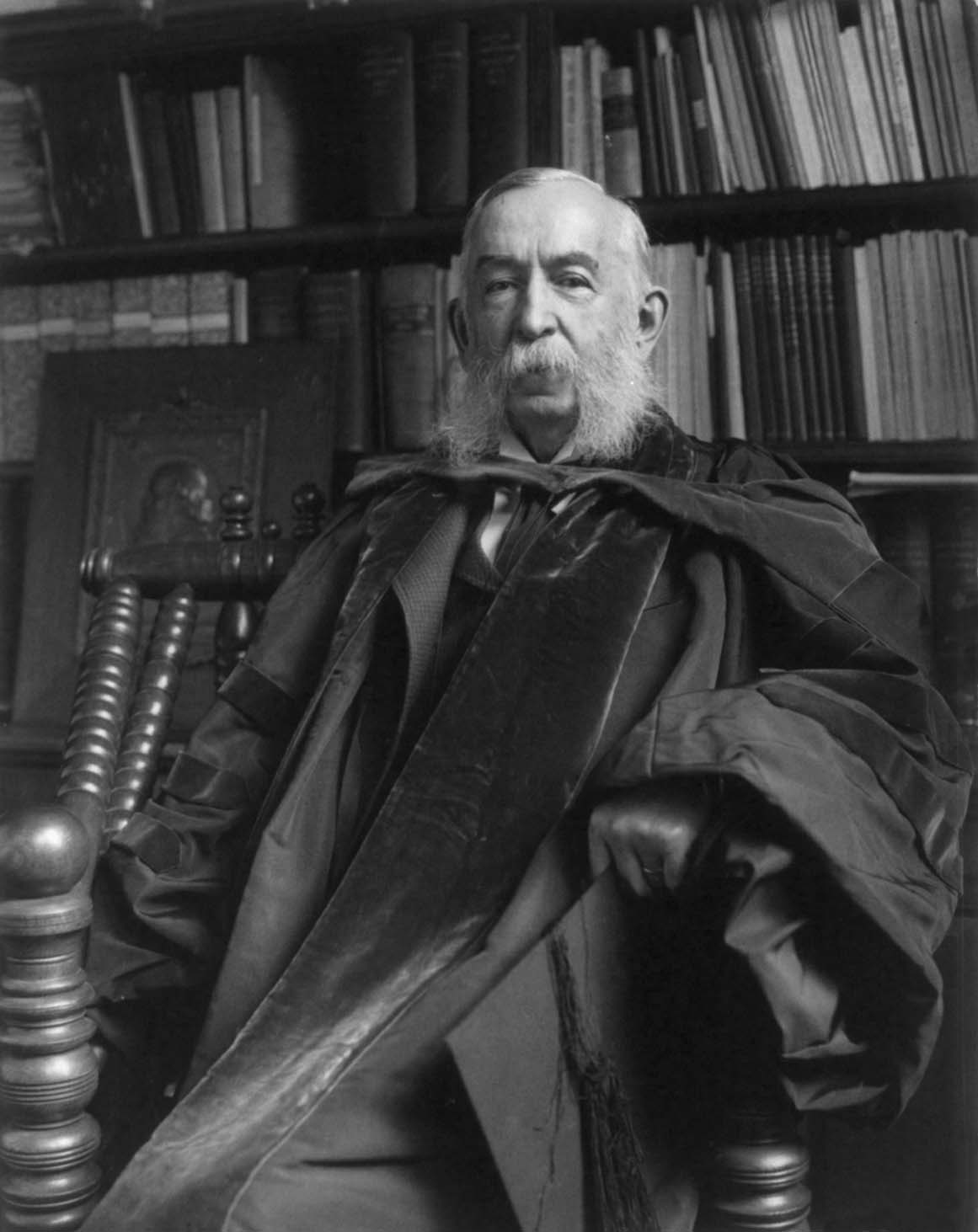
Daniel Coit Gilman (/ˈɡɪlmən/; July 6, 1831 – October 13, 1908) was an American educator and academic. Gilman was instrumental in founding the Sheffield Scientific School at Yale College, and subsequently served as the second president of the University of California, Berkeley, as the first president of Johns Hopkins University, and as founding president of the Carnegie Institution.
Eponymous halls at both Berkeley and Hopkins pay tribute to his service. He was also co-founder of the Russell Trust Association, which administers the business affairs of Yale's Skull and Bones society. Gilman served for twenty five years as president of Johns Hopkins; his inauguration in 1876 has been said to mark "the starting point of postgraduate education in the U.S."
He was born in Norwich, Connecticut, the son of Eliza (Coit) and mill owner William Charles Gilman, a descendant of Edward Gilman, one of the first settlers of Exeter, New Hampshire; of Thomas Dudley, governor of the Massachusetts Bay Colony and one of the founders of Harvard College; and of Thomas Adgate, one of the founders of Norwich in 1659. Daniel Coit Gilman graduated from Yale College in 1852 with a degree in geography.
At Yale, he was a classmate of Andrew Dickson White, who would later serve as first president of Cornell University. The two were members of the Skull and Bones secret society, and traveled to Europe together after graduation and remained lifelong friends. Gilman was also a member of the Alpha Delta Phi fraternity. Gilman would later co-found the Russell Trust Association, the foundation behind Skull and Bones. After serving as attaché of the United States legation at St. Petersburg, Russia from 1853 to 1855, he returned to Yale and was active in planning and raising funds for the founding of Sheffield Scientific School. Gilman contemplated going into the ministry, and even obtained a license to preach, but later settled on a career in education.
From 1856 to 1865, Gilman served as librarian of Yale College, and was also concerned with improving the New Haven public school system. When the Civil War broke out, Gilman became the recruiting sergeant for the Norton Cadets, a group of Yale graduates and faculty who drilled on the New Haven Green under the oversight of Yale professor William Augustus Norton.
In 1863, he was appointed professor of geography at the Sheffield Scientific School, and became secretary and librarian as well in 1866. Having been passed over for the presidency of Yale, for which post Gilman was said to have been the favorite of the younger faculty, he resigned these posts in 1872 to become the third president of the newly organized University of California, Berkeley. His work there was hampered by the state legislature, and in 1875 Gilman accepted the offer to establish and become first president of Johns Hopkins University.
Before being formally installed as president in 1876, he spent a year studying university organization and selecting an outstanding staff of teachers and scholars. His formal inauguration, on 22 February 1876, has become Hopkins' Commemoration Day, the day on which many university presidents have chosen to be installed in office. Among the legendary educators he assembled to teach at Johns Hopkins were classicist Basil Lanneau Gildersleeve, mathematician James Joseph Sylvester, historian Herbert Baxter Adams and chemist Ira Remsen.
In 1876, Gilman was elected as a member to the American Philosophical Society.
Hub AI
Daniel Coit Gilman AI simulator
(@Daniel Coit Gilman_simulator)
Daniel Coit Gilman
Daniel Coit Gilman (/ˈɡɪlmən/; July 6, 1831 – October 13, 1908) was an American educator and academic. Gilman was instrumental in founding the Sheffield Scientific School at Yale College, and subsequently served as the second president of the University of California, Berkeley, as the first president of Johns Hopkins University, and as founding president of the Carnegie Institution.
Eponymous halls at both Berkeley and Hopkins pay tribute to his service. He was also co-founder of the Russell Trust Association, which administers the business affairs of Yale's Skull and Bones society. Gilman served for twenty five years as president of Johns Hopkins; his inauguration in 1876 has been said to mark "the starting point of postgraduate education in the U.S."
He was born in Norwich, Connecticut, the son of Eliza (Coit) and mill owner William Charles Gilman, a descendant of Edward Gilman, one of the first settlers of Exeter, New Hampshire; of Thomas Dudley, governor of the Massachusetts Bay Colony and one of the founders of Harvard College; and of Thomas Adgate, one of the founders of Norwich in 1659. Daniel Coit Gilman graduated from Yale College in 1852 with a degree in geography.
At Yale, he was a classmate of Andrew Dickson White, who would later serve as first president of Cornell University. The two were members of the Skull and Bones secret society, and traveled to Europe together after graduation and remained lifelong friends. Gilman was also a member of the Alpha Delta Phi fraternity. Gilman would later co-found the Russell Trust Association, the foundation behind Skull and Bones. After serving as attaché of the United States legation at St. Petersburg, Russia from 1853 to 1855, he returned to Yale and was active in planning and raising funds for the founding of Sheffield Scientific School. Gilman contemplated going into the ministry, and even obtained a license to preach, but later settled on a career in education.
From 1856 to 1865, Gilman served as librarian of Yale College, and was also concerned with improving the New Haven public school system. When the Civil War broke out, Gilman became the recruiting sergeant for the Norton Cadets, a group of Yale graduates and faculty who drilled on the New Haven Green under the oversight of Yale professor William Augustus Norton.
In 1863, he was appointed professor of geography at the Sheffield Scientific School, and became secretary and librarian as well in 1866. Having been passed over for the presidency of Yale, for which post Gilman was said to have been the favorite of the younger faculty, he resigned these posts in 1872 to become the third president of the newly organized University of California, Berkeley. His work there was hampered by the state legislature, and in 1875 Gilman accepted the offer to establish and become first president of Johns Hopkins University.
Before being formally installed as president in 1876, he spent a year studying university organization and selecting an outstanding staff of teachers and scholars. His formal inauguration, on 22 February 1876, has become Hopkins' Commemoration Day, the day on which many university presidents have chosen to be installed in office. Among the legendary educators he assembled to teach at Johns Hopkins were classicist Basil Lanneau Gildersleeve, mathematician James Joseph Sylvester, historian Herbert Baxter Adams and chemist Ira Remsen.
In 1876, Gilman was elected as a member to the American Philosophical Society.
Recent media