



Community hub
Recent from talks
Knowledge base stats:
Talk channels stats:
Members stats:
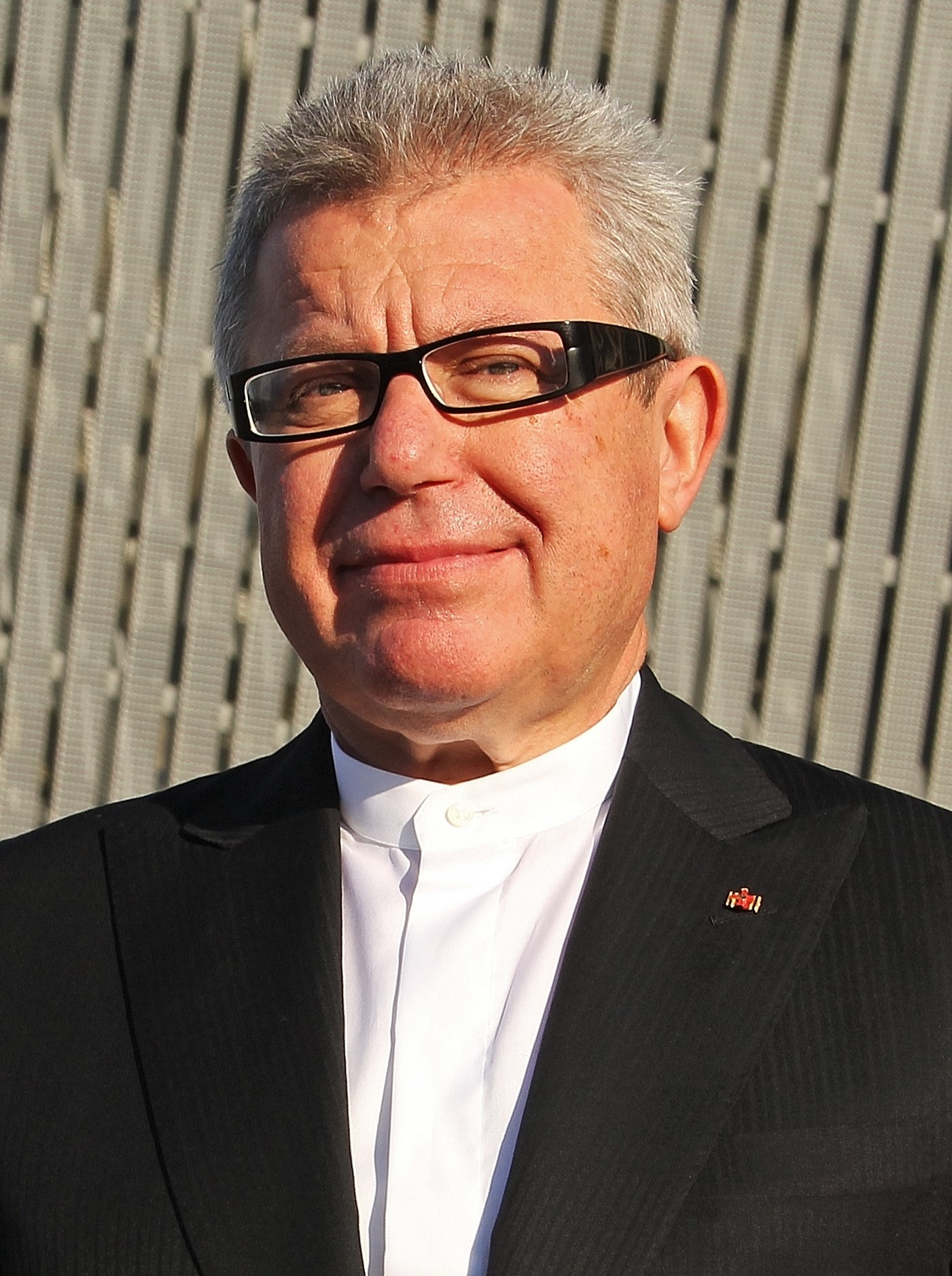
Daniel Libeskind
Daniel Libeskind (born May 12, 1946) is a Polish–American architect, artist, professor, and set designer. Libeskind founded Studio Daniel Libeskind in 1989 with his wife, Nina, and is its principal design architect.
He is known for the design and completion of the Jewish Museum in Berlin, Germany, that opened in 2001. On February 27, 2003, Libeskind received further international attention after he won the competition to be the master plan architect for the reconstruction of the World Trade Center site in Lower Manhattan.
Other buildings that he is known for include the extension to the Denver Art Museum in the United States, the Grand Canal Theatre in Dublin, the Imperial War Museum North in Greater Manchester, England, the Michael Lee-Chin Crystal at the Royal Ontario Museum in Toronto, Canada, the Felix Nussbaum Haus in Osnabrück, Germany, the Danish Jewish Museum in Copenhagen, Denmark, Reflections in Singapore and the Wohl Centre at the Bar-Ilan University in Ramat Gan, Israel. His portfolio also includes several residential projects. Libeskind's work has been exhibited in major museums and galleries around the world, including the Museum of Modern Art, the Bauhaus Archives, the Art Institute of Chicago, and the Centre Pompidou.
Born in Łódź, Poland, Libeskind was the second child of Dora and Nachman Libeskind, both Polish Jews and Holocaust survivors. As a young child, Libeskind learned to play the accordion and quickly became a virtuoso, performing on Polish television in 1953. He won a America Israel Cultural Foundation scholarship in 1959 and played alongside a young Itzhak Perlman. Libeskind lived in Poland for 11 years and says "I can still speak, read and write Polish."
In 1957, the Libeskinds moved to Kibbutz Gvat, Israel and then to Tel Aviv before moving to New York in 1959. In his autobiography, Breaking Ground: An Immigrant's Journey from Poland to Ground Zero, Libeskind spoke of how the kibbutz experience influenced his concern for green architecture.
In the summer of 1959, his family moved to New York City on one of the last immigrant boats to the United States. In New York, Libeskind lived in the Amalgamated Housing Cooperative in the northwest Bronx, a union-sponsored, middle-income cooperative development. He attended the Bronx High School of Science. The print shop where his father worked was on Stone Street in Lower Manhattan, and he watched the original World Trade Center being built in the 1960s. Libeskind became a United States citizen in 1965.
Daniel Libeskind was accepted at Cooper Union for the Advancement of Science and Art and began school there in 1965 where he was taught by John Hejduk and received his professional architectural degree in 1970. In 1968, Libeskind briefly worked as an apprentice to architect Richard Meier. He received a postgraduate degree in history and theory of architecture at the School of Comparative Studies at the University of Essex in 1972. The same year, he was hired to work at Peter Eisenman's New York Institute for Architecture and Urban Studies, but he quit almost immediately.
Libeskind began his career as an architectural theorist and professor, holding positions at various institutions around the world. From 1978 to 1985, Libeskind was the director of the Architecture Department at Cranbrook Academy of Art in Bloomfield Hills, Michigan. His practical architectural career began in Milan in the late 1980s, where he submitted to architectural competitions and also founded and directed Architecture Intermundium, Institute for Architecture & Urbanism.
Hub AI
Daniel Libeskind AI simulator
(@Daniel Libeskind_simulator)
Daniel Libeskind
Daniel Libeskind (born May 12, 1946) is a Polish–American architect, artist, professor, and set designer. Libeskind founded Studio Daniel Libeskind in 1989 with his wife, Nina, and is its principal design architect.
He is known for the design and completion of the Jewish Museum in Berlin, Germany, that opened in 2001. On February 27, 2003, Libeskind received further international attention after he won the competition to be the master plan architect for the reconstruction of the World Trade Center site in Lower Manhattan.
Other buildings that he is known for include the extension to the Denver Art Museum in the United States, the Grand Canal Theatre in Dublin, the Imperial War Museum North in Greater Manchester, England, the Michael Lee-Chin Crystal at the Royal Ontario Museum in Toronto, Canada, the Felix Nussbaum Haus in Osnabrück, Germany, the Danish Jewish Museum in Copenhagen, Denmark, Reflections in Singapore and the Wohl Centre at the Bar-Ilan University in Ramat Gan, Israel. His portfolio also includes several residential projects. Libeskind's work has been exhibited in major museums and galleries around the world, including the Museum of Modern Art, the Bauhaus Archives, the Art Institute of Chicago, and the Centre Pompidou.
Born in Łódź, Poland, Libeskind was the second child of Dora and Nachman Libeskind, both Polish Jews and Holocaust survivors. As a young child, Libeskind learned to play the accordion and quickly became a virtuoso, performing on Polish television in 1953. He won a America Israel Cultural Foundation scholarship in 1959 and played alongside a young Itzhak Perlman. Libeskind lived in Poland for 11 years and says "I can still speak, read and write Polish."
In 1957, the Libeskinds moved to Kibbutz Gvat, Israel and then to Tel Aviv before moving to New York in 1959. In his autobiography, Breaking Ground: An Immigrant's Journey from Poland to Ground Zero, Libeskind spoke of how the kibbutz experience influenced his concern for green architecture.
In the summer of 1959, his family moved to New York City on one of the last immigrant boats to the United States. In New York, Libeskind lived in the Amalgamated Housing Cooperative in the northwest Bronx, a union-sponsored, middle-income cooperative development. He attended the Bronx High School of Science. The print shop where his father worked was on Stone Street in Lower Manhattan, and he watched the original World Trade Center being built in the 1960s. Libeskind became a United States citizen in 1965.
Daniel Libeskind was accepted at Cooper Union for the Advancement of Science and Art and began school there in 1965 where he was taught by John Hejduk and received his professional architectural degree in 1970. In 1968, Libeskind briefly worked as an apprentice to architect Richard Meier. He received a postgraduate degree in history and theory of architecture at the School of Comparative Studies at the University of Essex in 1972. The same year, he was hired to work at Peter Eisenman's New York Institute for Architecture and Urban Studies, but he quit almost immediately.
Libeskind began his career as an architectural theorist and professor, holding positions at various institutions around the world. From 1978 to 1985, Libeskind was the director of the Architecture Department at Cranbrook Academy of Art in Bloomfield Hills, Michigan. His practical architectural career began in Milan in the late 1980s, where he submitted to architectural competitions and also founded and directed Architecture Intermundium, Institute for Architecture & Urbanism.