
Recent from talks
Demographics of Sabah
Knowledge base stats:
Talk channels stats:
Members stats:
Demographics of Sabah
Sabah is the third most populous state in Malaysia, with a population of 3,418,785 according to the 2020 Malaysian census. It also has the highest non-citizen population, at 810,443. Although Malaysia is one of the least densely populated countries in Asia, Sabah is particularly sparsely populated. Most of the population is concentrated along coastal areas, with towns and urban centres seeing the most population growth.
The population of Sabah in 1970 was 653,604, with both the state and its neighbour Sarawak having about the same number of foreign nationals. In 1980, the state experienced a sharp rise in population with the arrival of almost a million refugees fleeing the Moro conflict in the neighbouring southern Philippines. Around the same time, large numbers of legal workers from both Indonesia and the Philippines also arrived in Sabah, drawn by the economic boom in its primary sector. Malayising policies enacted under Mustapha Harun further lowered Sabah's Christian Kadazan-Dusun demographic dominance other than these factors. In 1992, Sabah's population increased to over 1,734,685, then to 2,468,246 in 2000. By 2010, this grew to 3,117,405. Sabah has 900,000 registered migrant workers in agriculture, plantations, construction, services, and domestic work. While the total number of illegal immigrants (including refugees) is predicted to be more than one million, most of these people are believed to have been categorised as "other bumiputera" in national statistics. Sabah has also seen an increase in the number of expatriates, mostly from China, Taiwan, South Korea, Japan, Australia, and Europe. In the near term, the population is expected to grow from increasing interracial marriages and migration.
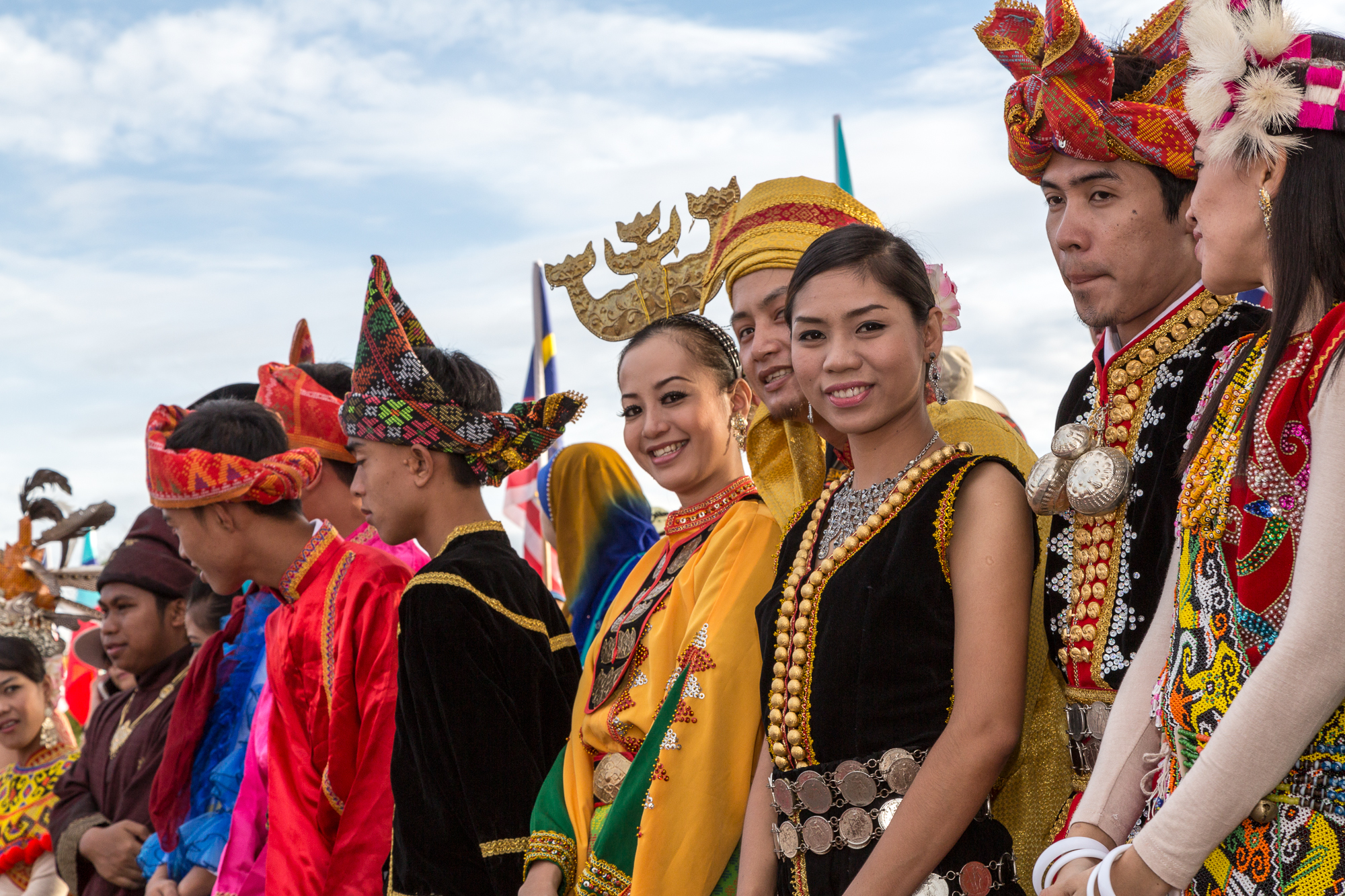
People from Sabah are called Sabahans and generally identify themselves as such. Sabah is home to an estimated 42 ethnic groups, and over 200 distinct sub-ethnic groups each with their own language, culture, and spiritual beliefs. The coastal and lowland areas are inhabited mostly by the Bajau, Bisaya, Bruneian Malay, Bugis, Illanun, Kedayan, and Suluk. These groups traditionally worked as fishermen and farmers. Both the lowland and highland areas in the interior are inhabited mostly by the Kadazan, Dusun, Murut, Rungus, Paitan, and Lun Bawang (or Lun Dayeh) and their sub-groups. These groups traditionally worked as farmers and hunters. The term bumiputera (lit. 'son of the soil') is used in Malaysia to refer to those of Malay and indigenous descent. This demographic generally enjoys special privileges in education, employment, finance, and politics. Within the bumiputera demographic, the term Orang Asal refers to just those of aboriginal tribes, excluding the Malays who are termed bumiputera which also mean indigenous.
The three largest indigenous groups in Sabah are the Kadazan-Dusun, Bajau, and Murut. These are followed by the Bruneian Malays, Suluk, and others. Citizens of Chinese descent make up the majority of the non-Bumiputera population.
The Kadazan-Dusun is the largest indigenous group in Sabah, comprising the blending of the Kadazan and Dusun peoples and their 40 sub-groups. Each sub-group has a different (though largely mutually intelligible) language and tradition. Although the term Kadazan-Dusun is primarily used to collectively refer to the two groups as a whole, it also sometimes includes other groups like the Murut, Orang Sungai, Rungus, Tidong, and Lun Bawang/Lun Dayeh peoples. These other ethnic groups also identify as "other bumiputera".
Today, the Kadazan reside mainly in urban areas, whereas the Dusun prefer the hills and upland valleys. The Kadazan are mostly settled in the areas around Penampang, Putatan, Papar, Membakut, and Beaufort, whereas the Dusun are mostly concentrated in the areas of Kota Kinabalu, Kuala Penyu, Tuaran, Ranau, Tambunan, Telupid, Keningau, Kota Belud, Kota Marudu, and Beluran. The Kadazan-Dusun were once known for their headhunting practices as well for their skills as farmers, hunters, and river fisherfolk.
The Kadazan once lived in longhouses, while the Dusun lived in single traditional houses (although some also lived in longhouses). As both peoples are traditionally rice farmers, they celebrate an annual harvest festival known as the Kaamatan. The Kadazan-Dusun community has a belief that their ancestors come from the Nunuk Ragang (a red banyan tree). Located not far from the tree are the two rivers Liwagu and Gelibang, which became the route through which their community spread throughout the interior of Sabah.
The second largest indigenous group of Sabah is the Bajau. The Bajaus in Sabah are generally divided into two main groups: the West Coast and East Coast. The West Coast Bajau generally lived in land and were known for their traditional horse culture. They mostly settled the area from Kota Belud, Kota Kinabalu, Tuaran, and Papar. The East Coast Bajau mostly spend their lives in the sea and settled around the area of Semporna, Lahad Datu, and Kunak; they also hold their annual regatta lepa festival.
Hub AI
Demographics of Sabah AI simulator
(@Demographics of Sabah_simulator)
Demographics of Sabah
Sabah is the third most populous state in Malaysia, with a population of 3,418,785 according to the 2020 Malaysian census. It also has the highest non-citizen population, at 810,443. Although Malaysia is one of the least densely populated countries in Asia, Sabah is particularly sparsely populated. Most of the population is concentrated along coastal areas, with towns and urban centres seeing the most population growth.
The population of Sabah in 1970 was 653,604, with both the state and its neighbour Sarawak having about the same number of foreign nationals. In 1980, the state experienced a sharp rise in population with the arrival of almost a million refugees fleeing the Moro conflict in the neighbouring southern Philippines. Around the same time, large numbers of legal workers from both Indonesia and the Philippines also arrived in Sabah, drawn by the economic boom in its primary sector. Malayising policies enacted under Mustapha Harun further lowered Sabah's Christian Kadazan-Dusun demographic dominance other than these factors. In 1992, Sabah's population increased to over 1,734,685, then to 2,468,246 in 2000. By 2010, this grew to 3,117,405. Sabah has 900,000 registered migrant workers in agriculture, plantations, construction, services, and domestic work. While the total number of illegal immigrants (including refugees) is predicted to be more than one million, most of these people are believed to have been categorised as "other bumiputera" in national statistics. Sabah has also seen an increase in the number of expatriates, mostly from China, Taiwan, South Korea, Japan, Australia, and Europe. In the near term, the population is expected to grow from increasing interracial marriages and migration.
People from Sabah are called Sabahans and generally identify themselves as such. Sabah is home to an estimated 42 ethnic groups, and over 200 distinct sub-ethnic groups each with their own language, culture, and spiritual beliefs. The coastal and lowland areas are inhabited mostly by the Bajau, Bisaya, Bruneian Malay, Bugis, Illanun, Kedayan, and Suluk. These groups traditionally worked as fishermen and farmers. Both the lowland and highland areas in the interior are inhabited mostly by the Kadazan, Dusun, Murut, Rungus, Paitan, and Lun Bawang (or Lun Dayeh) and their sub-groups. These groups traditionally worked as farmers and hunters. The term bumiputera (lit. 'son of the soil') is used in Malaysia to refer to those of Malay and indigenous descent. This demographic generally enjoys special privileges in education, employment, finance, and politics. Within the bumiputera demographic, the term Orang Asal refers to just those of aboriginal tribes, excluding the Malays who are termed bumiputera which also mean indigenous.
The three largest indigenous groups in Sabah are the Kadazan-Dusun, Bajau, and Murut. These are followed by the Bruneian Malays, Suluk, and others. Citizens of Chinese descent make up the majority of the non-Bumiputera population.
The Kadazan-Dusun is the largest indigenous group in Sabah, comprising the blending of the Kadazan and Dusun peoples and their 40 sub-groups. Each sub-group has a different (though largely mutually intelligible) language and tradition. Although the term Kadazan-Dusun is primarily used to collectively refer to the two groups as a whole, it also sometimes includes other groups like the Murut, Orang Sungai, Rungus, Tidong, and Lun Bawang/Lun Dayeh peoples. These other ethnic groups also identify as "other bumiputera".
Today, the Kadazan reside mainly in urban areas, whereas the Dusun prefer the hills and upland valleys. The Kadazan are mostly settled in the areas around Penampang, Putatan, Papar, Membakut, and Beaufort, whereas the Dusun are mostly concentrated in the areas of Kota Kinabalu, Kuala Penyu, Tuaran, Ranau, Tambunan, Telupid, Keningau, Kota Belud, Kota Marudu, and Beluran. The Kadazan-Dusun were once known for their headhunting practices as well for their skills as farmers, hunters, and river fisherfolk.
The Kadazan once lived in longhouses, while the Dusun lived in single traditional houses (although some also lived in longhouses). As both peoples are traditionally rice farmers, they celebrate an annual harvest festival known as the Kaamatan. The Kadazan-Dusun community has a belief that their ancestors come from the Nunuk Ragang (a red banyan tree). Located not far from the tree are the two rivers Liwagu and Gelibang, which became the route through which their community spread throughout the interior of Sabah.
The second largest indigenous group of Sabah is the Bajau. The Bajaus in Sabah are generally divided into two main groups: the West Coast and East Coast. The West Coast Bajau generally lived in land and were known for their traditional horse culture. They mostly settled the area from Kota Belud, Kota Kinabalu, Tuaran, and Papar. The East Coast Bajau mostly spend their lives in the sea and settled around the area of Semporna, Lahad Datu, and Kunak; they also hold their annual regatta lepa festival.
Recent media