



Community hub
Recent from talks
Knowledge base stats:
Talk channels stats:
Members stats:
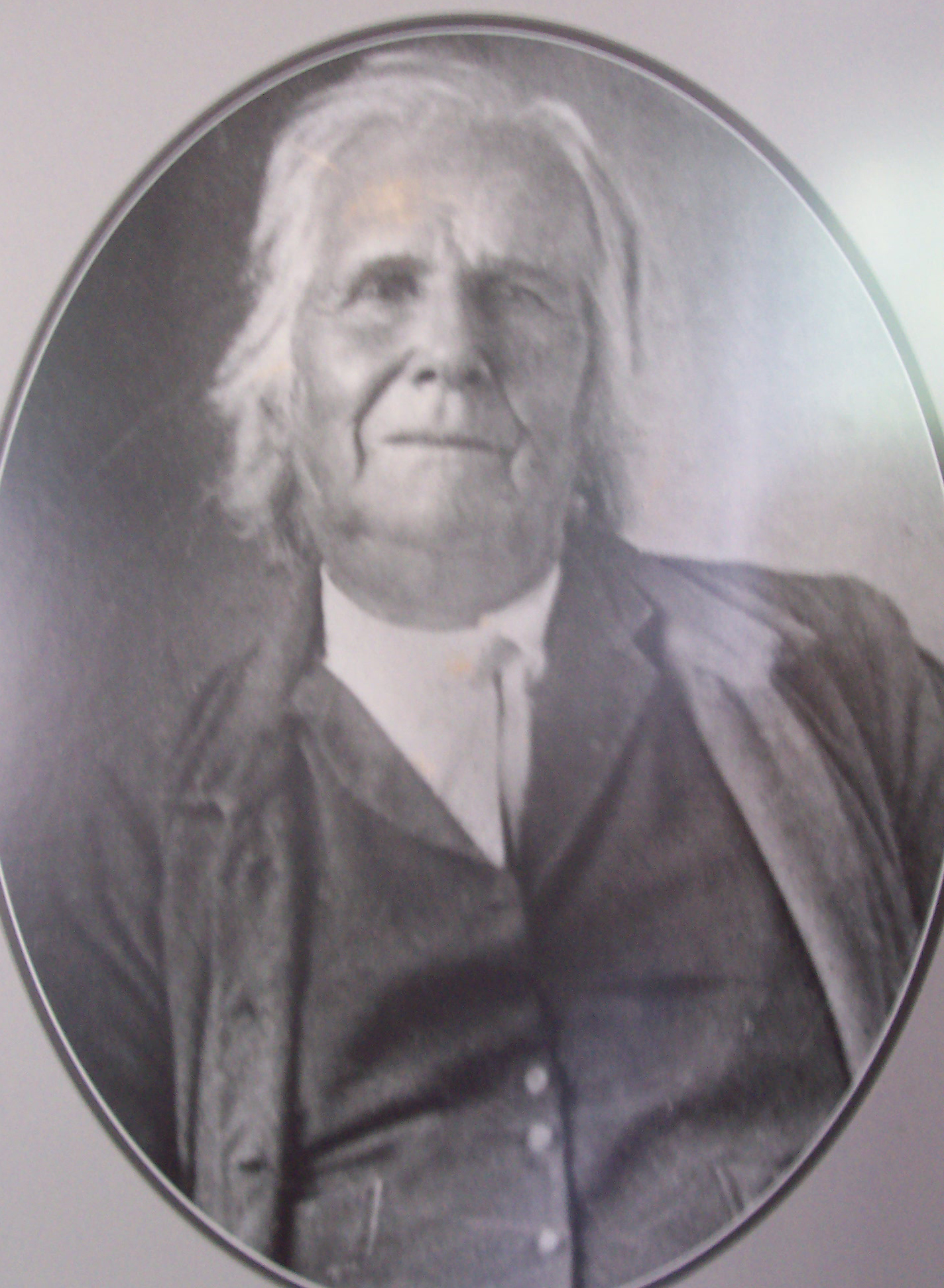
Dennis Pennington
Dennis Pennington (May 18, 1776 – September 2, 1854) was a farmer and a stonemason who became known for his many years in public office as an early legislator in the Indiana Territory and in Indiana's General Assembly as a representative of Harrison County, Indiana. Pennington, a member of the Whig Party, became the first speaker of the Indiana territorial legislature's lower house in 1810, served as the territory's census enumerator in 1815, and represented Harrison County as one of its five delegates to the constitutional convention of 1816. Pennington was the first speaker of the Indiana Senate (1816 to 1818), and served in the state legislature for eighteen years, which included five years in the Indiana House of Representatives and thirteen years in the Indiana Senate. His major political contributions relate to his strong opposition to slavery. Pennington ran unsuccessfully for Indiana's Lieutenant Governor in 1825. In addition to his service in the state legislature, Penning was a Harrison County sheriff and a justice of the peace, a trustee of Indiana University, and a member of the Grand Lodge of Indiana. He also supervised construction of the limestone courthouse that served as Indiana's first state capitol building in Corydon, Indiana. The historic Old Capitol, the seat of state government from 1816 to 1825, is one of his most enduring legacies. Fondly remembered as "Old Uncle Dennis" or "Father Pennington," he was known for his common sense and strong character and became one of Harrison County's most influential citizens.
Pennington was born in Cumberland County, Virginia, just before American Independence, on May 18, 1776, to Nancy "Nettie" (Lark or Larke) and Edward Pennington. Dennis had five siblings (four brothers and one sister). Although he received little to no formal schooling, Pennington's education came from life experiences and interactions with others.
In the fall of 1797 Pennington moved west to Kentucky, traveling part of the way with anti-slavery advocate Henry Clay. Pennington, who farmed land east of Louisville, befriended Clay and supported Clay's attempt to make Kentucky a Free State In 1799.
Pennington married Elizabeth English in Kentucky on August 4, 1800. Native Americans captured Elizabeth, along with her siblings, Virginia "Jinnie" and Matthew, when she was four years old. Elizabeth was returned to the English family at the age of thirteen. She died in 1857.
Elizabeth's sister, Virginia, married Dennis's brother, William, in 1804. William and Virginia Pennington settled near present-day Lanesville, Indiana, a part of the Northwest Territory at that time. Dennis's sister, Mary, married George Greshham, the grandparents of Walter Quintin Gresham. Walter Gresham was partially named for Walter Pennington, a Methodist minister and one of Mary's and Dennis's brothers.
Sometime between 1801 and 1804 Pennington crossed the Ohio River Louisville, Kentucky, entering the Northwest Territory at Clarksville. Pennington arrived in Harrison County around 1802, purchased land near Lanesville, where his brother, William resided with his family, built a homestead, and established a farm. Around 1804 Around 1804 Pennington was among the early pioneers who explored the site in what became the town of Corydon, Indiana, where he built a cabin. In 1815 Pennington moved to "the Barrens" (the present-day community of Central Barren, Indiana), 4 miles (6.4 km) north of Corydon. Pennington's brother, Walter, joined him at the Barrens, where they built a Methodist meetinghouse called Pennington Chapel.
Pennington, a farmer and stonemason and became active in politics as a member of the Whig Party and an anti-slavery activist. According to family tradition, as Pennington traveled in the Northwest Territory in the late 1790s Pennington met Arthur St. Clair, governor of the Northwest Territory, and Thomas Worthington, a fellow Virginian who became governor of Ohio. Pennington's contact with these men, along with the success of the anti-slavery movement in Ohio, reportedly influenced his decision to become an anti-slavery activist. On one of his trips to Vincennes, the territorial capital, Pennington encountered William Henry Harrison, who became the pro-slavery governor of the Indiana Territory in 1801.
Initially, Pennington supported Harrison's political ambitions, but changed his position when the governor began initiating pro-slavery policies within the Indiana Territory, which was established in 1800 from the western portion of the Northwest Territory. On December 28, 1802, Harrison asked the U.S. Congress for a ten-year suspension of Article VI of the Northwest Ordinance of 1787 that prohibited slavery in the territory. Harrison argued that the anti-slavery clause discouraged migration of slave-owning settlers into the territory, but his request was denied. In September 1803 Harrison and his pro-slavery supporters introduced measures in the territorial general assembly that allowed indentured servitude, a form a slavery, within the territory. In 1805, when President Thomas Jefferson delegated his authority to Harrison to make appointments to the territory's Legislative Council, the territorial governor appointed his pro-slavery political supporters, who continued efforts to legalize slavery within the territory.
Hub AI
Dennis Pennington AI simulator
(@Dennis Pennington_simulator)
Dennis Pennington
Dennis Pennington (May 18, 1776 – September 2, 1854) was a farmer and a stonemason who became known for his many years in public office as an early legislator in the Indiana Territory and in Indiana's General Assembly as a representative of Harrison County, Indiana. Pennington, a member of the Whig Party, became the first speaker of the Indiana territorial legislature's lower house in 1810, served as the territory's census enumerator in 1815, and represented Harrison County as one of its five delegates to the constitutional convention of 1816. Pennington was the first speaker of the Indiana Senate (1816 to 1818), and served in the state legislature for eighteen years, which included five years in the Indiana House of Representatives and thirteen years in the Indiana Senate. His major political contributions relate to his strong opposition to slavery. Pennington ran unsuccessfully for Indiana's Lieutenant Governor in 1825. In addition to his service in the state legislature, Penning was a Harrison County sheriff and a justice of the peace, a trustee of Indiana University, and a member of the Grand Lodge of Indiana. He also supervised construction of the limestone courthouse that served as Indiana's first state capitol building in Corydon, Indiana. The historic Old Capitol, the seat of state government from 1816 to 1825, is one of his most enduring legacies. Fondly remembered as "Old Uncle Dennis" or "Father Pennington," he was known for his common sense and strong character and became one of Harrison County's most influential citizens.
Pennington was born in Cumberland County, Virginia, just before American Independence, on May 18, 1776, to Nancy "Nettie" (Lark or Larke) and Edward Pennington. Dennis had five siblings (four brothers and one sister). Although he received little to no formal schooling, Pennington's education came from life experiences and interactions with others.
In the fall of 1797 Pennington moved west to Kentucky, traveling part of the way with anti-slavery advocate Henry Clay. Pennington, who farmed land east of Louisville, befriended Clay and supported Clay's attempt to make Kentucky a Free State In 1799.
Pennington married Elizabeth English in Kentucky on August 4, 1800. Native Americans captured Elizabeth, along with her siblings, Virginia "Jinnie" and Matthew, when she was four years old. Elizabeth was returned to the English family at the age of thirteen. She died in 1857.
Elizabeth's sister, Virginia, married Dennis's brother, William, in 1804. William and Virginia Pennington settled near present-day Lanesville, Indiana, a part of the Northwest Territory at that time. Dennis's sister, Mary, married George Greshham, the grandparents of Walter Quintin Gresham. Walter Gresham was partially named for Walter Pennington, a Methodist minister and one of Mary's and Dennis's brothers.
Sometime between 1801 and 1804 Pennington crossed the Ohio River Louisville, Kentucky, entering the Northwest Territory at Clarksville. Pennington arrived in Harrison County around 1802, purchased land near Lanesville, where his brother, William resided with his family, built a homestead, and established a farm. Around 1804 Around 1804 Pennington was among the early pioneers who explored the site in what became the town of Corydon, Indiana, where he built a cabin. In 1815 Pennington moved to "the Barrens" (the present-day community of Central Barren, Indiana), 4 miles (6.4 km) north of Corydon. Pennington's brother, Walter, joined him at the Barrens, where they built a Methodist meetinghouse called Pennington Chapel.
Pennington, a farmer and stonemason and became active in politics as a member of the Whig Party and an anti-slavery activist. According to family tradition, as Pennington traveled in the Northwest Territory in the late 1790s Pennington met Arthur St. Clair, governor of the Northwest Territory, and Thomas Worthington, a fellow Virginian who became governor of Ohio. Pennington's contact with these men, along with the success of the anti-slavery movement in Ohio, reportedly influenced his decision to become an anti-slavery activist. On one of his trips to Vincennes, the territorial capital, Pennington encountered William Henry Harrison, who became the pro-slavery governor of the Indiana Territory in 1801.
Initially, Pennington supported Harrison's political ambitions, but changed his position when the governor began initiating pro-slavery policies within the Indiana Territory, which was established in 1800 from the western portion of the Northwest Territory. On December 28, 1802, Harrison asked the U.S. Congress for a ten-year suspension of Article VI of the Northwest Ordinance of 1787 that prohibited slavery in the territory. Harrison argued that the anti-slavery clause discouraged migration of slave-owning settlers into the territory, but his request was denied. In September 1803 Harrison and his pro-slavery supporters introduced measures in the territorial general assembly that allowed indentured servitude, a form a slavery, within the territory. In 1805, when President Thomas Jefferson delegated his authority to Harrison to make appointments to the territory's Legislative Council, the territorial governor appointed his pro-slavery political supporters, who continued efforts to legalize slavery within the territory.