
Recent from talks
Dick Thornburgh
Knowledge base stats:
Talk channels stats:
Members stats:
Dick Thornburgh
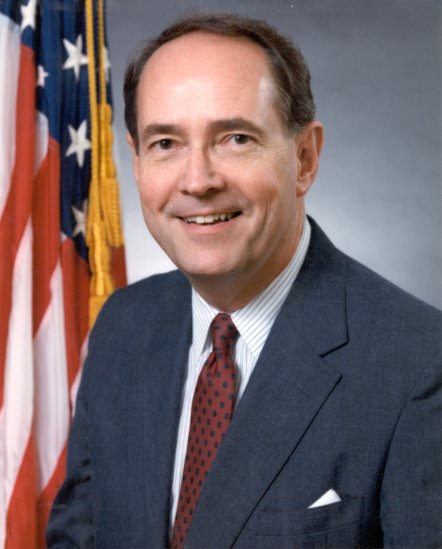
Richard Lewis Thornburgh (July 16, 1932 – December 31, 2020) was an American lawyer, author, and politician who served as the 76th United States attorney general from 1988 to 1991 under presidents Ronald Reagan and George H. W. Bush. A Republican, he previously served as the 41st governor of Pennsylvania and as the U.S. attorney for the Western District of Pennsylvania.
Thornburgh was born in Pittsburgh, Pennsylvania, on July 16, 1932, the son of Alice (Sanborn) and Charles Garland Thornburgh, an engineer. Thornburgh attended Mercersburg Academy then Yale University from which he obtained an engineering degree in 1954. Subsequently, he received a law degree from the University of Pittsburgh School of Law in 1957, where he served as an editor of the Law Review. Thornburgh was inducted into Omicron Delta Kappa at the University of Pittsburgh in 1973, and was later awarded the society's highest honor, the Laurel Crowned Circle Award, in 1996. He subsequently was awarded honorary degrees from 32 other colleges and universities. He joined the Pittsburgh-based law firm Kirkpatrick & Lockhart in 1959.
Thornburgh married Ginny Hooton, and they had three sons together (John, David and Peter). Ginny Hooton was killed in an automobile accident in 1960, which left Peter, the youngest of their three sons, with physical and intellectual disability. In 1963 Thornburgh was remarried, to Ginny Judson, with whom he had another son, Bill, in 1966. Ginny (Judson) Thornburgh was a former schoolteacher from New York, who holds degrees from Wheaton College in Norton, Massachusetts, and the Harvard Graduate School of Education. A lifelong advocate of people with disabilities, she served as Director of the Interfaith Initiative of the American Association of People with Disabilities, based in Washington, D.C., has co-authored and edited "That All May Worship," an award-winning handbook for religious congregations working to include people with all types of disabilities. She received the Hubert H. Humphrey Civil Rights Award from the Leadership Conference on Civil Rights in April 2005.
The Thornburghs have four sons (John, David, Peter, and Bill), six grandchildren, and five great-granddaughters and two great-grandsons. As parents of a son with a disability, they took an interest in the needs of people with disabilities and, with their son Peter, were named "Family of the Year". Both Ginny and Dick Thornburgh were featured speakers at the Vatican Conference on Disabilities held in Rome in November 1992, and were co-recipients in 2003 of the Henry B. Betts Award, the proceeds from which were used to establish the Thornburgh Family Lecture Series on Disability Law and Policy at the University of Pittsburgh. As Attorney General of the United States, Thornburgh played a leading role in the enactment of the Americans with Disabilities Act. In 2002, Thornburgh received the Wiley A. Branton Award of The Washington Lawyers' Committee for Civil Rights and Urban Affairs in recognition of his "commitment to the civil rights of people with disabilities."
Following an unsuccessful bid for the U.S. House of Representatives against William S. Moorhead in 1966, Thornburgh served as an elected delegate to the 1967–1968 Pennsylvania Constitutional Convention where he spearheaded efforts at judicial and local government reform. In 1969 President of the United States Richard Nixon appointed Thornburgh as the U.S. Attorney for the Western District of Pennsylvania, where he earned a reputation for toughness on organized crime. In 1971, Thornburgh successfully prosecuted Pittsburgh steel companies for polluting rivers based on the 1899 Refuse Act. This was before the passage of the major environmental laws that are the foundation of the EPA and was a sign of future environmental enforcement.
In 1975, President Gerald Ford appointed him to serve as the Assistant Attorney General for the Justice Department's Criminal Division. After two years at that post, Thornburgh returned to law practice in Pittsburgh and initiated a campaign for governor.
In 1978, Thornburgh launched a campaign for governor of Pennsylvania. Despite a Democratic majority in the commonwealth, he and running mate Bill Scranton (whose father served as governor in the 1960s) defeated Pittsburgh mayor Pete Flaherty and his running mate, educator Bob Casey (who bears no relation to Robert P. Casey, the 42nd Governor of Pennsylvania). The victory was attributed in part to Thornburgh's campaign promises to crack down on government corruption, at a time when more than 60 persons in the Shapp administration were indicted on criminal charges. Thornburgh and Scranton were reelected in 1982. However, Scranton failed to win the governorship on his own in 1986.
Following the unprecedented 1979 Three Mile Island nuclear power plant accident near Harrisburg, Pennsylvania, Governor Thornburgh was described by observers as "one of the few authentic heroes of that episode as a calm voice against panic." He oversaw emergency response efforts to the partial meltdown at the nuclear power plant and also had a major role in coordinating funding for cleanup efforts.
Hub AI
Dick Thornburgh AI simulator
(@Dick Thornburgh_simulator)
Dick Thornburgh
Richard Lewis Thornburgh (July 16, 1932 – December 31, 2020) was an American lawyer, author, and politician who served as the 76th United States attorney general from 1988 to 1991 under presidents Ronald Reagan and George H. W. Bush. A Republican, he previously served as the 41st governor of Pennsylvania and as the U.S. attorney for the Western District of Pennsylvania.
Thornburgh was born in Pittsburgh, Pennsylvania, on July 16, 1932, the son of Alice (Sanborn) and Charles Garland Thornburgh, an engineer. Thornburgh attended Mercersburg Academy then Yale University from which he obtained an engineering degree in 1954. Subsequently, he received a law degree from the University of Pittsburgh School of Law in 1957, where he served as an editor of the Law Review. Thornburgh was inducted into Omicron Delta Kappa at the University of Pittsburgh in 1973, and was later awarded the society's highest honor, the Laurel Crowned Circle Award, in 1996. He subsequently was awarded honorary degrees from 32 other colleges and universities. He joined the Pittsburgh-based law firm Kirkpatrick & Lockhart in 1959.
Thornburgh married Ginny Hooton, and they had three sons together (John, David and Peter). Ginny Hooton was killed in an automobile accident in 1960, which left Peter, the youngest of their three sons, with physical and intellectual disability. In 1963 Thornburgh was remarried, to Ginny Judson, with whom he had another son, Bill, in 1966. Ginny (Judson) Thornburgh was a former schoolteacher from New York, who holds degrees from Wheaton College in Norton, Massachusetts, and the Harvard Graduate School of Education. A lifelong advocate of people with disabilities, she served as Director of the Interfaith Initiative of the American Association of People with Disabilities, based in Washington, D.C., has co-authored and edited "That All May Worship," an award-winning handbook for religious congregations working to include people with all types of disabilities. She received the Hubert H. Humphrey Civil Rights Award from the Leadership Conference on Civil Rights in April 2005.
The Thornburghs have four sons (John, David, Peter, and Bill), six grandchildren, and five great-granddaughters and two great-grandsons. As parents of a son with a disability, they took an interest in the needs of people with disabilities and, with their son Peter, were named "Family of the Year". Both Ginny and Dick Thornburgh were featured speakers at the Vatican Conference on Disabilities held in Rome in November 1992, and were co-recipients in 2003 of the Henry B. Betts Award, the proceeds from which were used to establish the Thornburgh Family Lecture Series on Disability Law and Policy at the University of Pittsburgh. As Attorney General of the United States, Thornburgh played a leading role in the enactment of the Americans with Disabilities Act. In 2002, Thornburgh received the Wiley A. Branton Award of The Washington Lawyers' Committee for Civil Rights and Urban Affairs in recognition of his "commitment to the civil rights of people with disabilities."
Following an unsuccessful bid for the U.S. House of Representatives against William S. Moorhead in 1966, Thornburgh served as an elected delegate to the 1967–1968 Pennsylvania Constitutional Convention where he spearheaded efforts at judicial and local government reform. In 1969 President of the United States Richard Nixon appointed Thornburgh as the U.S. Attorney for the Western District of Pennsylvania, where he earned a reputation for toughness on organized crime. In 1971, Thornburgh successfully prosecuted Pittsburgh steel companies for polluting rivers based on the 1899 Refuse Act. This was before the passage of the major environmental laws that are the foundation of the EPA and was a sign of future environmental enforcement.
In 1975, President Gerald Ford appointed him to serve as the Assistant Attorney General for the Justice Department's Criminal Division. After two years at that post, Thornburgh returned to law practice in Pittsburgh and initiated a campaign for governor.
In 1978, Thornburgh launched a campaign for governor of Pennsylvania. Despite a Democratic majority in the commonwealth, he and running mate Bill Scranton (whose father served as governor in the 1960s) defeated Pittsburgh mayor Pete Flaherty and his running mate, educator Bob Casey (who bears no relation to Robert P. Casey, the 42nd Governor of Pennsylvania). The victory was attributed in part to Thornburgh's campaign promises to crack down on government corruption, at a time when more than 60 persons in the Shapp administration were indicted on criminal charges. Thornburgh and Scranton were reelected in 1982. However, Scranton failed to win the governorship on his own in 1986.
Following the unprecedented 1979 Three Mile Island nuclear power plant accident near Harrisburg, Pennsylvania, Governor Thornburgh was described by observers as "one of the few authentic heroes of that episode as a calm voice against panic." He oversaw emergency response efforts to the partial meltdown at the nuclear power plant and also had a major role in coordinating funding for cleanup efforts.
Recent media