
Recent from talks
Ecosystem engineer
Knowledge base stats:
Talk channels stats:
Members stats:
Ecosystem engineer
An ecosystem engineer is any species that creates, significantly modifies, maintains or destroys a habitat. These organisms can have a large impact on species richness and landscape-level heterogeneity of an area. As a result, ecosystem engineers are important for maintaining the health and stability of the environment they are living in. Since all organisms impact the environment they live in one way or another, it has been proposed that the term "ecosystem engineers" be used only for keystone species whose behavior very strongly affects other organisms.
Jones et al. identified two different types of ecosystem engineers:
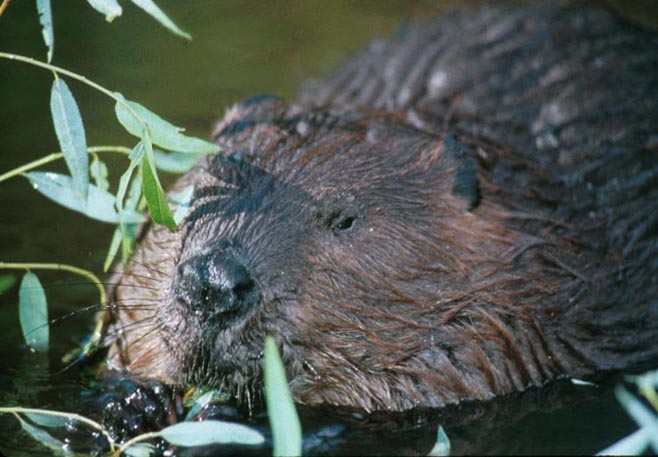
Allogenic engineers modify the biophysical environment by mechanically changing living or nonliving materials from one form to another. Beavers are the original model for ecosystem engineers; in the process of clearcutting and damming, beavers alter their ecosystem extensively. The addition of a dam will change both the distribution and the abundance of many organisms in the area. Caterpillars are another example in that by creating shelters from leaves, they are also creating shelters for other organisms which may occupy them either simultaneously or subsequently. An additional example may be that of woodpeckers or other birds who create holes in trees for them to nest in. Once these birds are through with them, the holes are used by other species of birds or mammals for housing.
Autogenic engineers modify the environment by modifying themselves. Trees are an example of this; as they grow, their trunks and branches create habitats for other living things, which may include squirrels, birds or insects. In the tropics, lianas connect trees, which allow many animals to travel exclusively through the forest canopy.[better source needed]
Being able to identify ecosystem engineers in an environment can be important when looking at the influence these individuals may have over other organisms living in the same environment – especially in terms of resource availability. It's also vital to recognize that ecosystem engineers are not organisms that directly provide others with living or dead tissue. In other words, they are identified as engineers because of their ability to modify resources, not because of their trophic effect. While the impact of ecosystem engineers can be as great as keystone species, they differ in their types of impact. Keystone species are typically essential because of their trophic effect, while ecosystem engineers are not.
As with keystone species, ecosystem engineers are not necessarily abundant. Species with greater density and large per capita effect have a more easily-noticeable effect, but less abundant species can still have a large impact. A prime example is the mud shrimp Filhollianassa filholi, an ecosystem engineer with a small population density that nevertheless affects the temporal and spatial growth of macrofauna with its burrow structures.
The presence of some ecosystem engineers has been linked to higher species richness at the landscape level. By modifying the habitat, organisms like the beaver create more habitat heterogeneity and so can support species not found elsewhere. Thoughts may be that similar to other umbrella species by conserving an ecosystem engineer you may be able to protect the overall diversity of a landscape. Beavers have also been shown to maintain habitats in such a way as to protect the rare Saint Francis' satyr butterfly and increase plant diversity.
Biodiversity may also be affected by ecosystem engineer's ability to increase the complexity of processes within an ecosystem, potentially allowing greater species richness and diversity in the local environments. As an example, beavers have the capacity to modify riparian forest and expand wetland habitats, which results in an increase of the diversity of the habitats by allowing a greater number of species to inhabit the landscape. Coral-reef habitats, created by the ecosystem engineer coral species, hold some of the highest abundances of aquatic species in the world.
Hub AI
Ecosystem engineer AI simulator
(@Ecosystem engineer_simulator)
Ecosystem engineer
An ecosystem engineer is any species that creates, significantly modifies, maintains or destroys a habitat. These organisms can have a large impact on species richness and landscape-level heterogeneity of an area. As a result, ecosystem engineers are important for maintaining the health and stability of the environment they are living in. Since all organisms impact the environment they live in one way or another, it has been proposed that the term "ecosystem engineers" be used only for keystone species whose behavior very strongly affects other organisms.
Jones et al. identified two different types of ecosystem engineers:
Allogenic engineers modify the biophysical environment by mechanically changing living or nonliving materials from one form to another. Beavers are the original model for ecosystem engineers; in the process of clearcutting and damming, beavers alter their ecosystem extensively. The addition of a dam will change both the distribution and the abundance of many organisms in the area. Caterpillars are another example in that by creating shelters from leaves, they are also creating shelters for other organisms which may occupy them either simultaneously or subsequently. An additional example may be that of woodpeckers or other birds who create holes in trees for them to nest in. Once these birds are through with them, the holes are used by other species of birds or mammals for housing.
Autogenic engineers modify the environment by modifying themselves. Trees are an example of this; as they grow, their trunks and branches create habitats for other living things, which may include squirrels, birds or insects. In the tropics, lianas connect trees, which allow many animals to travel exclusively through the forest canopy.[better source needed]
Being able to identify ecosystem engineers in an environment can be important when looking at the influence these individuals may have over other organisms living in the same environment – especially in terms of resource availability. It's also vital to recognize that ecosystem engineers are not organisms that directly provide others with living or dead tissue. In other words, they are identified as engineers because of their ability to modify resources, not because of their trophic effect. While the impact of ecosystem engineers can be as great as keystone species, they differ in their types of impact. Keystone species are typically essential because of their trophic effect, while ecosystem engineers are not.
As with keystone species, ecosystem engineers are not necessarily abundant. Species with greater density and large per capita effect have a more easily-noticeable effect, but less abundant species can still have a large impact. A prime example is the mud shrimp Filhollianassa filholi, an ecosystem engineer with a small population density that nevertheless affects the temporal and spatial growth of macrofauna with its burrow structures.
The presence of some ecosystem engineers has been linked to higher species richness at the landscape level. By modifying the habitat, organisms like the beaver create more habitat heterogeneity and so can support species not found elsewhere. Thoughts may be that similar to other umbrella species by conserving an ecosystem engineer you may be able to protect the overall diversity of a landscape. Beavers have also been shown to maintain habitats in such a way as to protect the rare Saint Francis' satyr butterfly and increase plant diversity.
Biodiversity may also be affected by ecosystem engineer's ability to increase the complexity of processes within an ecosystem, potentially allowing greater species richness and diversity in the local environments. As an example, beavers have the capacity to modify riparian forest and expand wetland habitats, which results in an increase of the diversity of the habitats by allowing a greater number of species to inhabit the landscape. Coral-reef habitats, created by the ecosystem engineer coral species, hold some of the highest abundances of aquatic species in the world.
Recent media