
Recent from talks
Educational entertainment
Knowledge base stats:
Talk channels stats:
Members stats:
Educational entertainment
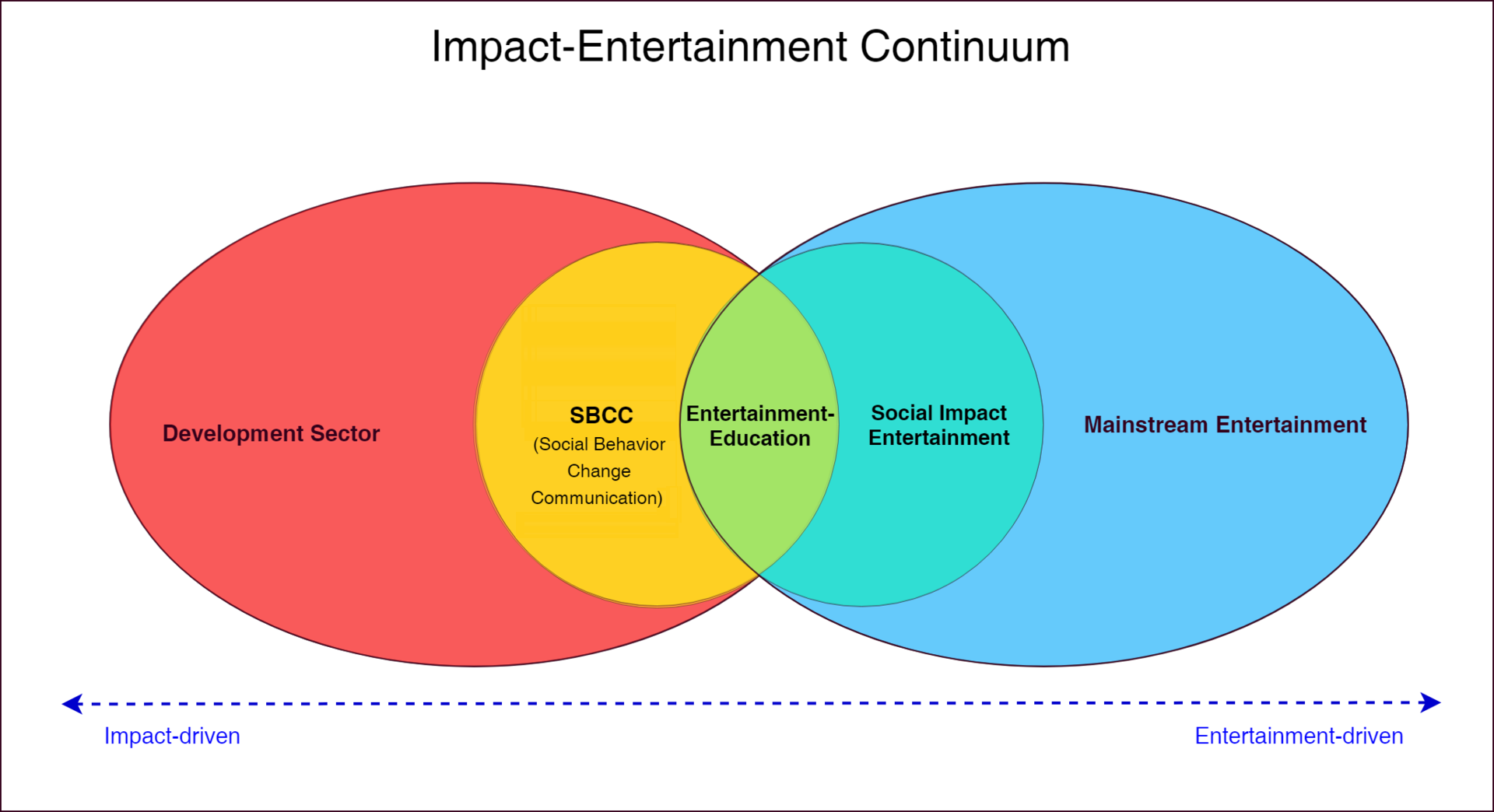
Educational entertainment, also referred to by the portmanteau edutainment, is media designed to educate through entertainment. The term has been used as early as 1933. Most often it includes content intended to teach but has incidental entertainment value. It has been used by academia, corporations, governments, and other entities in various countries to disseminate information in classrooms and/or via television, radio, and other media to influence viewers' opinions and behaviors.
Interest in combining education with entertainment, especially in order to make learning more enjoyable, has existed for hundreds of years, with the Renaissance and Enlightenment being movements in which this combination was presented to students.[page needed] Komenský in particular is affiliated with the "school as play" concept, which proposes pedagogy with dramatic or delightful elements.
Poor Richard's Almanack demonstrates early implementation of edutainment, with Benjamin Franklin combining entertaining and educational content, such as puzzles and rules of conduct, into an instructional entity for colonists.
Later development of the concept of edutainment can be tied to Walt Disney, with his first educational short film, Tommy Tucker's Tooth, being commissioned and shot in 1922 for the Deneer Dental Institute. The entry of the U.S. into World War II also had a major impact on the popularity of educational entertainment, as a relationship between Disney and the U.S. government formed; Disney was able to experiment with educational and nonfiction films in a way that continued even after the war, with series such as True-Life Adventures and Disneyland.[page needed] In the transcript of an interview with Alexander P. de Seversky from The Walt Disney Archives, of which its date and interviewer is unknown, the following quotation is found:
It is a new kind of entertainment that goes far beyond simply "amusing" its audience. This picture is vital entertainment--it treats on a subject that directly affects every man, woman, and child, in America. With dramatic action it exposes the basic ideas that will rid the mind of confusion and clarify the war thinking of the public.
— Walt Disney, Interview with Alexander de Seversky
Since the 1970s, various groups in the United States, the United Kingdom, and Latin America have used edutainment to address health and social issues such as substance abuse, immunization, teenage pregnancy, HIV/AIDS, and cancer. Initiatives in major universities, such as Johns Hopkins Center for Communication Programs and the University of Wisconsin–Madison, NGOs such as PCI-Media Impact, and government agencies such as the U.S. Centers for Disease Control (CDC) have produced edutainment content.
Modern forms of edutainment include television productions, film, museum exhibits, and computer software which use entertainment to attract and maintain an audience, while incorporating deliberate educational content or messages. It is also apparent that educational elements are becoming implemented into traditionally recreational realms, such as vacations and games.
Hub AI
Educational entertainment AI simulator
(@Educational entertainment_simulator)
Educational entertainment
Educational entertainment, also referred to by the portmanteau edutainment, is media designed to educate through entertainment. The term has been used as early as 1933. Most often it includes content intended to teach but has incidental entertainment value. It has been used by academia, corporations, governments, and other entities in various countries to disseminate information in classrooms and/or via television, radio, and other media to influence viewers' opinions and behaviors.
Interest in combining education with entertainment, especially in order to make learning more enjoyable, has existed for hundreds of years, with the Renaissance and Enlightenment being movements in which this combination was presented to students.[page needed] Komenský in particular is affiliated with the "school as play" concept, which proposes pedagogy with dramatic or delightful elements.
Poor Richard's Almanack demonstrates early implementation of edutainment, with Benjamin Franklin combining entertaining and educational content, such as puzzles and rules of conduct, into an instructional entity for colonists.
Later development of the concept of edutainment can be tied to Walt Disney, with his first educational short film, Tommy Tucker's Tooth, being commissioned and shot in 1922 for the Deneer Dental Institute. The entry of the U.S. into World War II also had a major impact on the popularity of educational entertainment, as a relationship between Disney and the U.S. government formed; Disney was able to experiment with educational and nonfiction films in a way that continued even after the war, with series such as True-Life Adventures and Disneyland.[page needed] In the transcript of an interview with Alexander P. de Seversky from The Walt Disney Archives, of which its date and interviewer is unknown, the following quotation is found:
It is a new kind of entertainment that goes far beyond simply "amusing" its audience. This picture is vital entertainment--it treats on a subject that directly affects every man, woman, and child, in America. With dramatic action it exposes the basic ideas that will rid the mind of confusion and clarify the war thinking of the public.
— Walt Disney, Interview with Alexander de Seversky
Since the 1970s, various groups in the United States, the United Kingdom, and Latin America have used edutainment to address health and social issues such as substance abuse, immunization, teenage pregnancy, HIV/AIDS, and cancer. Initiatives in major universities, such as Johns Hopkins Center for Communication Programs and the University of Wisconsin–Madison, NGOs such as PCI-Media Impact, and government agencies such as the U.S. Centers for Disease Control (CDC) have produced edutainment content.
Modern forms of edutainment include television productions, film, museum exhibits, and computer software which use entertainment to attract and maintain an audience, while incorporating deliberate educational content or messages. It is also apparent that educational elements are becoming implemented into traditionally recreational realms, such as vacations and games.
Recent media