


Community hub
Recent from talks
Contribute something to knowledge base
Content stats: 0 posts, 0 articles, 1 media, 0 notes
Members stats: 0 subscribers, 0 contributors, 0 moderators, 0 supporters
Subscribers
Supporters
Contributors
Moderators
Edwardian Reformation
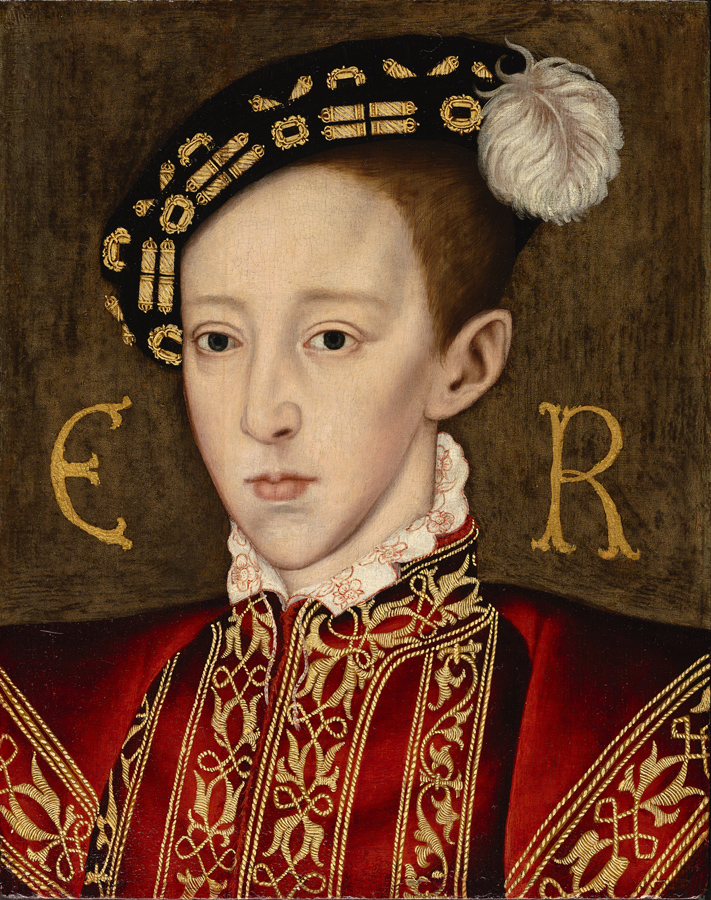
The Edwardian Reformation refers to the period of Protestantization of religious life and establishment in England, Wales and the Irish Pale during the regency and reign of Edward VI (r. 1547–1553).
When Henry VIII died in 1547, his nine-year-old son, Edward VI, inherited the throne. Because Edward was given a Protestant humanist education, Protestants held high expectations and hoped he would be like Josiah, the biblical king of Judah who destroyed the altars and images of Baal. During the seven years of Edward's reign, a Protestant establishment would gradually implement religious changes that were "designed to destroy one Church and build another, in a religious revolution of ruthless thoroughness".
Initially, however, Edward was of little account politically. Real power was in the hands of the regency council, which elected Edward Seymour, 1st Duke of Somerset, to be Lord Protector. The Protestant Somerset pursued reform hesitantly at first, partly because his powers were not unchallenged. The Six Articles remained the law of the land, and a proclamation was issued on 24 May reassuring the people against any "innovations and changes in religion".
Nevertheless, Seymour and Cranmer did plan to further the reformation of religion. In July, a Book of Homilies was published, from which all clergy were to preach on Sundays. The homilies were explicitly Protestant in their content, condemning relics, images, rosary beads, holy water, palms, and other "papistical superstitions". It also directly contradicted the King's Book by teaching "we be justified by faith only, freely, and without works". Despite objections from Gardiner, who questioned the legality of bypassing both Parliament and Convocation, justification by faith had been made a central teaching of the English Church.
In August 1547, thirty commissioners—nearly all Protestants—were appointed to carry out a royal visitation of England's churches. The Royal Injunctions of 1547 issued to guide the commissioners were borrowed from Cromwell's 1538 injunctions but revised to be more radical. Historian Eamon Duffy calls them a "significant shift in the direction of full-blown Protestantism". Church processions—one of the most dramatic and public aspects of the traditional liturgy—were banned. The injunctions also attacked the use of sacramentals, such as holy water. It was emphasized that they imparted neither blessing nor healing but were only reminders of Christ. Lighting votive candles before saints' images had been forbidden in 1538, and the 1547 injunctions went further by outlawing those placed on the rood loft. Reciting the rosary was also condemned.
The injunctions set off a wave of iconoclasm in the autumn of 1547. While the injunctions only condemned images that were abused as objects of worship or devotion, the definition of abuse was broadened to justify the destruction of all images and relics. Stained glass, shrines, statues, and roods were defaced or destroyed. Church walls were whitewashed and covered with biblical texts condemning idolatry.
Conservative bishops Edmund Bonner and Gardiner protested the visitation, and both were arrested. Bonner spent nearly two weeks in the Fleet Prison before being released. Gardiner was sent to the Fleet Prison in September and remained there until January 1548. However, he continued to refuse to enforce the new religious policies and was arrested once again in June when he was sent to the Tower of London for the rest of Edward's reign.
There was sometimes only partial or strategic compliance by parishes. Some parishes took steps to conceal images and relics in order to rescue them from confiscation and destruction. Opposition to the removal of images was widespread—so much so that when during the Commonwealth, William Dowsing was commissioned to the task of image breaking in Suffolk, his task, as he records it, was enormous.
Edwardian Reformation
The Edwardian Reformation refers to the period of Protestantization of religious life and establishment in England, Wales and the Irish Pale during the regency and reign of Edward VI (r. 1547–1553).
When Henry VIII died in 1547, his nine-year-old son, Edward VI, inherited the throne. Because Edward was given a Protestant humanist education, Protestants held high expectations and hoped he would be like Josiah, the biblical king of Judah who destroyed the altars and images of Baal. During the seven years of Edward's reign, a Protestant establishment would gradually implement religious changes that were "designed to destroy one Church and build another, in a religious revolution of ruthless thoroughness".
Initially, however, Edward was of little account politically. Real power was in the hands of the regency council, which elected Edward Seymour, 1st Duke of Somerset, to be Lord Protector. The Protestant Somerset pursued reform hesitantly at first, partly because his powers were not unchallenged. The Six Articles remained the law of the land, and a proclamation was issued on 24 May reassuring the people against any "innovations and changes in religion".
Nevertheless, Seymour and Cranmer did plan to further the reformation of religion. In July, a Book of Homilies was published, from which all clergy were to preach on Sundays. The homilies were explicitly Protestant in their content, condemning relics, images, rosary beads, holy water, palms, and other "papistical superstitions". It also directly contradicted the King's Book by teaching "we be justified by faith only, freely, and without works". Despite objections from Gardiner, who questioned the legality of bypassing both Parliament and Convocation, justification by faith had been made a central teaching of the English Church.
In August 1547, thirty commissioners—nearly all Protestants—were appointed to carry out a royal visitation of England's churches. The Royal Injunctions of 1547 issued to guide the commissioners were borrowed from Cromwell's 1538 injunctions but revised to be more radical. Historian Eamon Duffy calls them a "significant shift in the direction of full-blown Protestantism". Church processions—one of the most dramatic and public aspects of the traditional liturgy—were banned. The injunctions also attacked the use of sacramentals, such as holy water. It was emphasized that they imparted neither blessing nor healing but were only reminders of Christ. Lighting votive candles before saints' images had been forbidden in 1538, and the 1547 injunctions went further by outlawing those placed on the rood loft. Reciting the rosary was also condemned.
The injunctions set off a wave of iconoclasm in the autumn of 1547. While the injunctions only condemned images that were abused as objects of worship or devotion, the definition of abuse was broadened to justify the destruction of all images and relics. Stained glass, shrines, statues, and roods were defaced or destroyed. Church walls were whitewashed and covered with biblical texts condemning idolatry.
Conservative bishops Edmund Bonner and Gardiner protested the visitation, and both were arrested. Bonner spent nearly two weeks in the Fleet Prison before being released. Gardiner was sent to the Fleet Prison in September and remained there until January 1548. However, he continued to refuse to enforce the new religious policies and was arrested once again in June when he was sent to the Tower of London for the rest of Edward's reign.
There was sometimes only partial or strategic compliance by parishes. Some parishes took steps to conceal images and relics in order to rescue them from confiscation and destruction. Opposition to the removal of images was widespread—so much so that when during the Commonwealth, William Dowsing was commissioned to the task of image breaking in Suffolk, his task, as he records it, was enormous.
Recent media
Recent media