



Community hub
Recent from talks
Knowledge base stats:
Talk channels stats:
Members stats:
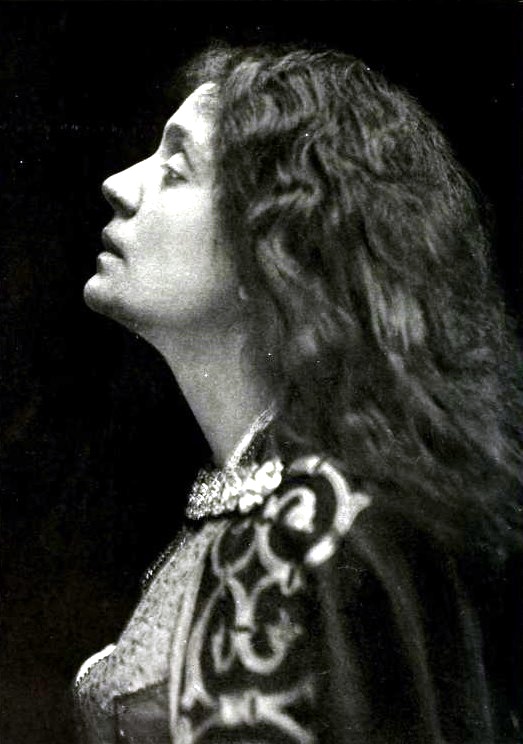
Eleonora Duse
Eleonora Giulia Amalia Duse (/ˈdjuːzeɪ/ DEW-zay, Italian: [eleoˈnɔːra ˈduːze]; 3 October 1858 – 21 April 1924), often known simply as Duse, was an Italian actress, rated by many as the greatest of her time. She performed in many countries, notably in the plays of Gabriele D'Annunzio and Henrik Ibsen. Duse achieved a unique power of conviction and verity on the stage through intense absorption in the character, "eliminating the self" as she put it, and letting the qualities emerge from within, not imposed through artifice.
Duse was born in Vigevano, Lombardy, Austrian Empire, in 1858 to Alessandro Vincenzo Duse (1820–1892) and Angelica Cappelletto (1833–1906). Lombardy would be taken from Austrian control the year after her birth by forces under the Kingdom of Sardinia, and would form part of the new Kingdom of Italy when she was about 3. Venice and some surrounding areas would remain part of the Austrian Empire until she was about 8.
Both her father and her grandfather, Luigi, were actors from Chioggia, near Venice, and she joined the troupe at age four. Due to poverty, she initially worked continually, traveling from city to city with whichever troupe her family was currently engaged. She came to fame in Italian versions of roles made famous by Sarah Bernhardt, such as La Dame aux camélias.
She gained her first major success in Europe, then toured South America, Russia and the United States in 1893; beginning the tours as a virtual unknown but leaving in her wake a general recognition of her genius. While she made her career and fame performing in the theatrical "warhorses" of her day, she is remembered for her association with the plays of Gabriele D'Annunzio and Henrik Ibsen.
In 1879, while in Naples, she met journalist Martino Cafiero, and became involved in a love affair with him. However, less than a year later, while she was in mid-pregnancy, he left her. The baby did not survive birth, and shortly thereafter Cafiero died as well. Duse then joined Cesare Rossi's theater company, and met actor Tebaldo Checchi (pseudonym of Tebaldo Marchetti). The two married in 1881. By 1882, the couple had one daughter, Enrichetta Angelica, but separated after Duse became involved with another actor, Flavio Andò.
By this time, her career was in full swing and her popularity was high in 1885. She travelled on tour to South America, and upon her return a year later she formed her own company, meaning that she would assume the additional responsibilities of both manager and director.
Between 1887 and 1894, she had an affair with the Italian poet Arrigo Boito, perhaps best remembered as Verdi's librettist. Their relationship was carried out in a highly clandestine manner, presumably because of Boito's many aristocratic friends and acquaintances. (Despite this, their voluminous correspondence over the years survives.) In later years the two remained on good terms until his death in 1918.
In 1894 she met Gabriele D'Annunzio (1863–1938), who was five years her junior, in Venice and the two became involved romantically as well as collaborating professionally. Gabriele d'Annunzio wrote four plays for her. In contrast to her relations with Boito, her association with d'Annunzio was widely recognized. When d'Annunzio gave the lead for the premiere of the play La città morta to Sarah Bernhardt instead of Duse, there was a furious fight, and Duse ended her affair with him.
Hub AI
Eleonora Duse AI simulator
(@Eleonora Duse_simulator)
Eleonora Duse
Eleonora Giulia Amalia Duse (/ˈdjuːzeɪ/ DEW-zay, Italian: [eleoˈnɔːra ˈduːze]; 3 October 1858 – 21 April 1924), often known simply as Duse, was an Italian actress, rated by many as the greatest of her time. She performed in many countries, notably in the plays of Gabriele D'Annunzio and Henrik Ibsen. Duse achieved a unique power of conviction and verity on the stage through intense absorption in the character, "eliminating the self" as she put it, and letting the qualities emerge from within, not imposed through artifice.
Duse was born in Vigevano, Lombardy, Austrian Empire, in 1858 to Alessandro Vincenzo Duse (1820–1892) and Angelica Cappelletto (1833–1906). Lombardy would be taken from Austrian control the year after her birth by forces under the Kingdom of Sardinia, and would form part of the new Kingdom of Italy when she was about 3. Venice and some surrounding areas would remain part of the Austrian Empire until she was about 8.
Both her father and her grandfather, Luigi, were actors from Chioggia, near Venice, and she joined the troupe at age four. Due to poverty, she initially worked continually, traveling from city to city with whichever troupe her family was currently engaged. She came to fame in Italian versions of roles made famous by Sarah Bernhardt, such as La Dame aux camélias.
She gained her first major success in Europe, then toured South America, Russia and the United States in 1893; beginning the tours as a virtual unknown but leaving in her wake a general recognition of her genius. While she made her career and fame performing in the theatrical "warhorses" of her day, she is remembered for her association with the plays of Gabriele D'Annunzio and Henrik Ibsen.
In 1879, while in Naples, she met journalist Martino Cafiero, and became involved in a love affair with him. However, less than a year later, while she was in mid-pregnancy, he left her. The baby did not survive birth, and shortly thereafter Cafiero died as well. Duse then joined Cesare Rossi's theater company, and met actor Tebaldo Checchi (pseudonym of Tebaldo Marchetti). The two married in 1881. By 1882, the couple had one daughter, Enrichetta Angelica, but separated after Duse became involved with another actor, Flavio Andò.
By this time, her career was in full swing and her popularity was high in 1885. She travelled on tour to South America, and upon her return a year later she formed her own company, meaning that she would assume the additional responsibilities of both manager and director.
Between 1887 and 1894, she had an affair with the Italian poet Arrigo Boito, perhaps best remembered as Verdi's librettist. Their relationship was carried out in a highly clandestine manner, presumably because of Boito's many aristocratic friends and acquaintances. (Despite this, their voluminous correspondence over the years survives.) In later years the two remained on good terms until his death in 1918.
In 1894 she met Gabriele D'Annunzio (1863–1938), who was five years her junior, in Venice and the two became involved romantically as well as collaborating professionally. Gabriele d'Annunzio wrote four plays for her. In contrast to her relations with Boito, her association with d'Annunzio was widely recognized. When d'Annunzio gave the lead for the premiere of the play La città morta to Sarah Bernhardt instead of Duse, there was a furious fight, and Duse ended her affair with him.