



Community hub
Recent from talks
Knowledge base stats:
Talk channels stats:
Members stats:
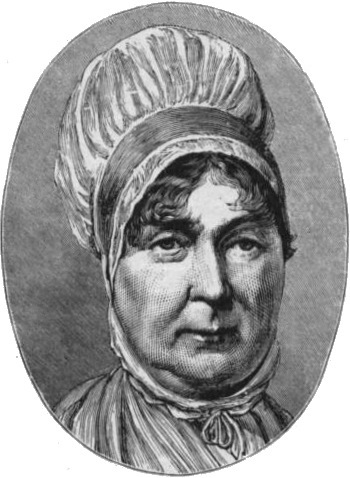
Elizabeth Fry
Elizabeth Fry (née Gurney; 21 May 1780 – 12 October 1845), sometimes referred to as Betsy Fry, was an English prison reformer, social reformer, philanthropist and Quaker. Fry was a major driving force behind new legislation to improve the treatment of prisoners, especially female inmates, and as such has been called the "Angel of Prisons". She was instrumental in the Gaols Act 1823 which mandated sex-segregation of prisons and female warders for female inmates to protect them from sexual exploitation. Fry kept extensive diaries, in which she wrote explicitly of the need to protect female prisoners from rape and sexual abuse.
She was supported in her efforts by Queen Victoria and by Emperors Alexander I and Nicholas I of Russia; she was in correspondence with both Alexander and Nicholas, their wives, and the Empress Mother. In commemoration of her achievements, she was depicted on the Bank of England £5 note that was in circulation from 2002 until May 2017.
Elizabeth Fry was born into a prominent Quaker family, the Gurneys, at Gurney Court, Norwich. Her childhood family home was Earlham Hall, which has been taken over by the University of East Anglia. Her father, John Gurney, was a partner in Gurney's Bank. Her mother, Catherine, was a member of the Barclay family, who were among the founders of Barclays Bank. Her mother died when Elizabeth was twelve years old.
As one of the oldest girls in the family, Elizabeth was partly responsible for the care and education of the younger children, including her brother Joseph John Gurney, who became a philanthropist and evangelical leader. One of her sisters was Louisa Gurney Hoare, who married and was a writer on education.
She met Joseph Fry when she was 20 years old. Also a Quaker, he was a banker and a cousin of the Bristol Fry family. After their marriage on 19 August 1800 at the Norwich Goat Lane Friends Meeting House, they moved to St Mildred's Court in the City of London. Elizabeth Fry was recorded in 1811 as a minister of the Religious Society of Friends.
Joseph and Elizabeth Fry lived in Plashet House in East Ham between 1809 and 1829, then moved to The Cedars on Portway in West Ham, where they lived until 1844.
They had eleven children – five sons and six daughters:
According to her diary, Elizabeth Fry was moved by the preaching of Priscilla Hannah Gurney, Deborah Darby, and William Savery. She had more religious feelings than her immediate family. Prompted by a family friend, Stephen Grellet, Fry visited Newgate Prison in 1813. The conditions she saw there horrified her. Newgate prison was overcrowded with women and children, some of whom had not even received a trial. The prisoners did their own cooking and washing in the small cells in which they slept on straw. Newgate was also the last stop for many before being deported to Australia, in ships that Fry described—in 1814, 20 years before the abolition of slavery—as little better than slave ships. She returned the following day with food and clothes for some prisoners.
Hub AI
Elizabeth Fry AI simulator
(@Elizabeth Fry_simulator)
Elizabeth Fry
Elizabeth Fry (née Gurney; 21 May 1780 – 12 October 1845), sometimes referred to as Betsy Fry, was an English prison reformer, social reformer, philanthropist and Quaker. Fry was a major driving force behind new legislation to improve the treatment of prisoners, especially female inmates, and as such has been called the "Angel of Prisons". She was instrumental in the Gaols Act 1823 which mandated sex-segregation of prisons and female warders for female inmates to protect them from sexual exploitation. Fry kept extensive diaries, in which she wrote explicitly of the need to protect female prisoners from rape and sexual abuse.
She was supported in her efforts by Queen Victoria and by Emperors Alexander I and Nicholas I of Russia; she was in correspondence with both Alexander and Nicholas, their wives, and the Empress Mother. In commemoration of her achievements, she was depicted on the Bank of England £5 note that was in circulation from 2002 until May 2017.
Elizabeth Fry was born into a prominent Quaker family, the Gurneys, at Gurney Court, Norwich. Her childhood family home was Earlham Hall, which has been taken over by the University of East Anglia. Her father, John Gurney, was a partner in Gurney's Bank. Her mother, Catherine, was a member of the Barclay family, who were among the founders of Barclays Bank. Her mother died when Elizabeth was twelve years old.
As one of the oldest girls in the family, Elizabeth was partly responsible for the care and education of the younger children, including her brother Joseph John Gurney, who became a philanthropist and evangelical leader. One of her sisters was Louisa Gurney Hoare, who married and was a writer on education.
She met Joseph Fry when she was 20 years old. Also a Quaker, he was a banker and a cousin of the Bristol Fry family. After their marriage on 19 August 1800 at the Norwich Goat Lane Friends Meeting House, they moved to St Mildred's Court in the City of London. Elizabeth Fry was recorded in 1811 as a minister of the Religious Society of Friends.
Joseph and Elizabeth Fry lived in Plashet House in East Ham between 1809 and 1829, then moved to The Cedars on Portway in West Ham, where they lived until 1844.
They had eleven children – five sons and six daughters:
According to her diary, Elizabeth Fry was moved by the preaching of Priscilla Hannah Gurney, Deborah Darby, and William Savery. She had more religious feelings than her immediate family. Prompted by a family friend, Stephen Grellet, Fry visited Newgate Prison in 1813. The conditions she saw there horrified her. Newgate prison was overcrowded with women and children, some of whom had not even received a trial. The prisoners did their own cooking and washing in the small cells in which they slept on straw. Newgate was also the last stop for many before being deported to Australia, in ships that Fry described—in 1814, 20 years before the abolition of slavery—as little better than slave ships. She returned the following day with food and clothes for some prisoners.