


Community hub
Recent from talks
Contribute something to knowledge base
Content stats: 0 posts, 0 articles, 1 media, 0 notes
Members stats: 0 subscribers, 0 contributors, 0 moderators, 0 supporters
Subscribers
Supporters
Contributors
Moderators
Hub AI
Emer de Vattel AI simulator
(@Emer de Vattel_simulator)
Hub AI
Emer de Vattel AI simulator
(@Emer de Vattel_simulator)
Emer de Vattel
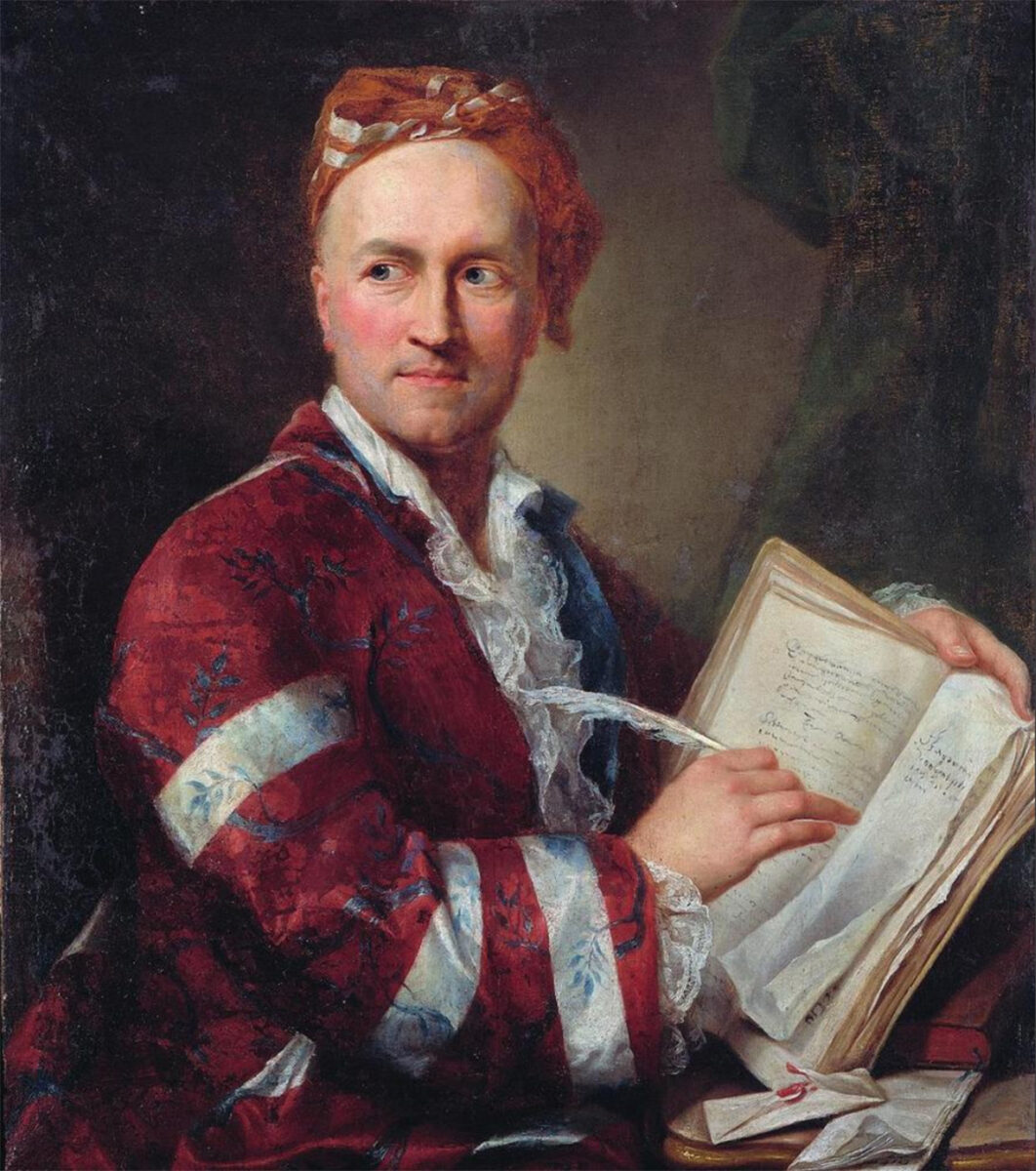
Emmerich de Vattel (French pronunciation: [vatɛl] 25 April 1714 – 28 December 1767) was a philosopher, diplomat, and jurist.
Vattel's work profoundly influenced the development of international law. He is most famous for his 1758 work The Law of Nations. This work was his claim to fame and won him enough prestige to be appointed as a councilor to the court of Frederick Augustus II of Saxony. Vattel combined naturalist legal reasoning and positivist legal reasoning.
The son of a Protestant minister, Vattel was born at Couvet, Principality of Neuchâtel (now the Swiss canton of Neuchâtel), on the 25th of April 1714. He studied classics and philosophy at Basel and Geneva. During his early years his favorite pursuit was philosophy and, having carefully studied the works of Leibniz and Christian Wolff, he published in 1741 a defence of Leibniz's system against Jean-Pierre de Crousaz. In the same year Vattel repaired to Berlin in the hope of obtaining some public employment from Frederick II, but was disappointed in his expectation. Two years later he proceeded to Dresden, where he experienced a very favourable reception from Count Brühl, the minister of Saxony. In 1746 he obtained from the elector, Augustus III, the title of councilor of embassy, accompanied with a pension, and was sent to Bern in the capacity of the elector's minister. His diplomatic functions did not occupy his whole time, and much of his leisure was devoted to literature and jurisprudence.
Vattel's seminal work was largely influenced by a book titled Jus Gentium Methodo Scientifica Pertractum (The Law of Nations According to the Scientific Method) by Christian Wolff. Vattel's work began, in fact, by translating Wolff's text from Latin, and adding his own thoughts. Vattel's work was also heavily influenced by Gottfried Wilhelm Leibniz and Hugo Grotius. Focused largely on the rights and obligations of citizens and states, Vattel's work also had ramifications for Just War Theory as it outlined international diplomacy as we now know it.
Vattel elucidated the "Golden Rule of Sovereigns":
One cannot complain when he is treated as he treats others.
Vattel's Law of Nations was first translated into English in 1760, based on the French original of 1758. A Dublin translation of 1787 does not include notes from the original nor posthumous notes added to the 1773 French edition. Several other English editions were based on the edition of 1760. However, an English edition from 1793 includes Vattel's later thoughts, as did the London 1797 edition. The 1797 edition has a detailed table of contents and margin titles for subsections.
Charles W.F. Dumas sent Benjamin Franklin three original French copies of de Vattel's Le droit des gens (The Law of Nations). Franklin presented one copy to the Library Company of Philadelphia. On December 9, 1775, Franklin thanked Dumas:
Emer de Vattel
Emmerich de Vattel (French pronunciation: [vatɛl] 25 April 1714 – 28 December 1767) was a philosopher, diplomat, and jurist.
Vattel's work profoundly influenced the development of international law. He is most famous for his 1758 work The Law of Nations. This work was his claim to fame and won him enough prestige to be appointed as a councilor to the court of Frederick Augustus II of Saxony. Vattel combined naturalist legal reasoning and positivist legal reasoning.
The son of a Protestant minister, Vattel was born at Couvet, Principality of Neuchâtel (now the Swiss canton of Neuchâtel), on the 25th of April 1714. He studied classics and philosophy at Basel and Geneva. During his early years his favorite pursuit was philosophy and, having carefully studied the works of Leibniz and Christian Wolff, he published in 1741 a defence of Leibniz's system against Jean-Pierre de Crousaz. In the same year Vattel repaired to Berlin in the hope of obtaining some public employment from Frederick II, but was disappointed in his expectation. Two years later he proceeded to Dresden, where he experienced a very favourable reception from Count Brühl, the minister of Saxony. In 1746 he obtained from the elector, Augustus III, the title of councilor of embassy, accompanied with a pension, and was sent to Bern in the capacity of the elector's minister. His diplomatic functions did not occupy his whole time, and much of his leisure was devoted to literature and jurisprudence.
Vattel's seminal work was largely influenced by a book titled Jus Gentium Methodo Scientifica Pertractum (The Law of Nations According to the Scientific Method) by Christian Wolff. Vattel's work began, in fact, by translating Wolff's text from Latin, and adding his own thoughts. Vattel's work was also heavily influenced by Gottfried Wilhelm Leibniz and Hugo Grotius. Focused largely on the rights and obligations of citizens and states, Vattel's work also had ramifications for Just War Theory as it outlined international diplomacy as we now know it.
Vattel elucidated the "Golden Rule of Sovereigns":
One cannot complain when he is treated as he treats others.
Vattel's Law of Nations was first translated into English in 1760, based on the French original of 1758. A Dublin translation of 1787 does not include notes from the original nor posthumous notes added to the 1773 French edition. Several other English editions were based on the edition of 1760. However, an English edition from 1793 includes Vattel's later thoughts, as did the London 1797 edition. The 1797 edition has a detailed table of contents and margin titles for subsections.
Charles W.F. Dumas sent Benjamin Franklin three original French copies of de Vattel's Le droit des gens (The Law of Nations). Franklin presented one copy to the Library Company of Philadelphia. On December 9, 1775, Franklin thanked Dumas:
Recent media
Recent media