
Recent from talks
Emilio Mola
Knowledge base stats:
Talk channels stats:
Members stats:
Emilio Mola
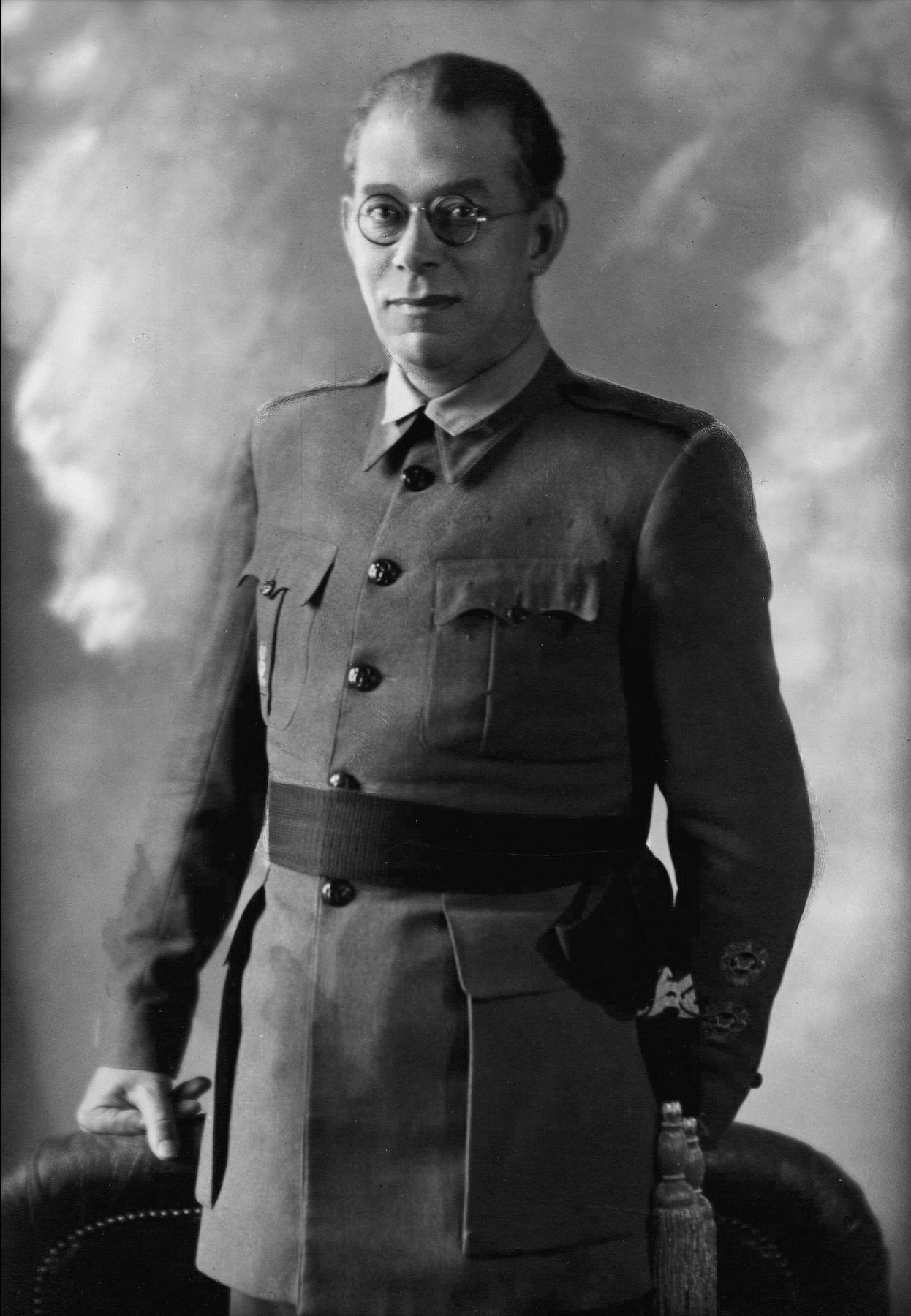
Emilio Mola y Vidal (9 July 1887 – 3 June 1937) was a Spanish military officer who was one of the three leaders of the revolt coup of July 1936 that started the Spanish Civil War.
After the death of José Sanjurjo on 20 July 1936, Mola commanded the Nationalists in the north of Spain, while Franco operated in the south. Attempting to take Madrid with his four columns, Mola praised local Nationalist sympathizers within the city as a "fifth column", possibly the first use of that phrase. He died in a plane crash in bad weather, leaving Franco as the pre-eminent Nationalist leader for the rest of the war. It was suspected that his death was a result of sabotage, although this has never been proven.
Mola was born in Placetas, Cuba, at that time an overseas Spanish province, where his father, Emilio Mola López, a captain in the Civil Guard and noted as a harsh disciplinarian, was stationed. His mother, Ramona Vidal Caro, had been born in Cuba and was of Catalan origin. The Cuban War of Independence split his family; while his father served in the Spanish forces, his maternal uncle Leoncio Vidal was a leading revolutionary fighter. His family relocated to Girona in 1894, where he completed his primary and secondary schooling. In Spain, he enrolled in the Infantry Academy of Toledo in 1904. At the academy, he earned the nickname 'the Prussian' and graduated at the top of his class.
He was one of a group called Africanists (Spanish: Africanistas), who served in Spain's colonial war in Morocco, enforcing Spain's occupation, for which he received the Military Medal in 1909, and became an authority on military affairs. In 1911, seeking quicker promotion, Mola transferred to the Fuerzas Regulares Indígenas, a unit which had been created two months earlier by Dámaso Berenguer. He was wounded in action during the Kert campaign in May 1912 in the thigh and thus he was promoted to captain. He earned promotion to Major for bravery shown at the front in February 1914. After this promotion, he was briefly stationed in Barcelona, Santander, and Madrid, before returning to active service in Morocco. He received promotion by seniority to Lieutenant Colonel in 1921. In January 1922 in Ceuta, Mola married 28 year old María de la Consolacíon Bascón y Franco of Seville. He participated in the landing at Alhucemas which brought the Rif War to an end. He earned promotion by wartime merit to the rank of Colonel in February 1926. In October 1927, Mola was promoted to the rank of brigadier general on merit, receiving a second Military Medal and being made the military commander of Larache. His promotions received on the basis of wartime merit were challenged under the Second Republic. Mola's anti-semitism became evident as he and the other Africanistas assigned blame for the decline of Spain's empire, and the loss of Cuba and the Philippines in the Spanish-American war, to the Jews and the anti-semitic Judeo-Masonic-Communist conspiracy theory, the contuberno.
Mola was made Director-General of Security in 1930, the last man to hold this post under Alfonso XIII. He was chosen for the position because of his service under Berenguer, who at the time served as the head of a transitional government. Mola had, immediately before this appointment, been garrison commander at Larache, and took the Director-General appointment reluctantly as it interrupted his career in the military. This was a political post and his conservative[citation needed] views made him unpopular with opposition liberal and socialist politicians.
Upon the proclamation of the Second Republic on 14 April 1931, a mob descended on Mola's house with the intention of burning it, but were prevented from doing so by militants of the Federación de Juventudes Socialistas. Mola believed he would be arrested for his suppression of what had been, until then, the Republican opposition, and went into hiding at the Toledo estate of an aristocratic acquaintance of his. On 21 April 1931, Mola surrendered himself to Manuel Azaña, the Minster of War, and swore an oath of loyalty to the Republic. Despite this, Mola was arrested and indicted for 'criminal negligence' in his decisions to repress Republican opposition during his time as Director-General of Security. On 3 July, Mola was released, but was rearrested the following day on the orders of the new Director-General of Security, Ángel Galarza. On 5 August, with his wife pregnant with their fourth child, Mola's imprisonment was commuted to house arrest on the order of Azaña. He was eventually exonerated by the Tribunal Supremo. Following Azaña's military reforms, Mola's ranking on the Army seniority list was reduced, and on 10 August 1932 he was placed in the Second Reserve, his seniority dropping from number 10 on the list of brigadier generals to number 240 on the list of the Second Reserve. During his time following this in which he had no military posting, Mola took up the hobby of making wooden toys, and in three weeks wrote a chess manual under the pseudonym W. Hooper despite his not actually being a chess player but instead basing the book on his reading of other chess manuals. The book sold many copies, especially in South America, and earned him a good deal of money. He also wrote three volumes of memoirs in which he criticised the government of Azaña and made polemical attacks against Freemasons and Jews based in part on his reading of the writings of Juan Tusquets Terrats and the Protocols of the Elders of Zion.
As a result of the amnesty introduced by the government of Alejandro Lerroux, Mola was able to return to active military service in April 1934. With the ascension of José María Gil-Robles to the post of Minister of War and the promotion of Francisco Franco to the role of Chief of the General Staff, Mola was made the military commander of Melilla in the summer of 1935, and then the commander of all Spanish troops in Morocco by the end of the year.
When the left-wing Popular Front government was elected in February 1936, Mola was made commander of the Pamplona garrison, since the government regarded Navarre as a backwater region. In reality, the area was a center of Carlist activity, and Mola himself secretly collaborated with the movement. He worked with elements of the right-wing Spanish Military Union and by the end of April 1936 was acknowledged as its leader in north-central Spain. When he left Morocco to take up his new posting on 4 March 1936, Mola transferred leadership of the July rebellion in Morocco to Lieutenant Colonel Juan Yagüe, who was then the commander of the Legion in Ceuta. In the months preceding the outbreak of the Spanish Civil War, Mola wrote his memoirs of his time in Africa, Dar Akobba, which historian Paul Preston said that based off the book being replete with violent close descriptions of fighting and mutilation suggested that Mola "had been utterly brutalized" by his experiences of war.
Hub AI
Emilio Mola AI simulator
(@Emilio Mola_simulator)
Emilio Mola
Emilio Mola y Vidal (9 July 1887 – 3 June 1937) was a Spanish military officer who was one of the three leaders of the revolt coup of July 1936 that started the Spanish Civil War.
After the death of José Sanjurjo on 20 July 1936, Mola commanded the Nationalists in the north of Spain, while Franco operated in the south. Attempting to take Madrid with his four columns, Mola praised local Nationalist sympathizers within the city as a "fifth column", possibly the first use of that phrase. He died in a plane crash in bad weather, leaving Franco as the pre-eminent Nationalist leader for the rest of the war. It was suspected that his death was a result of sabotage, although this has never been proven.
Mola was born in Placetas, Cuba, at that time an overseas Spanish province, where his father, Emilio Mola López, a captain in the Civil Guard and noted as a harsh disciplinarian, was stationed. His mother, Ramona Vidal Caro, had been born in Cuba and was of Catalan origin. The Cuban War of Independence split his family; while his father served in the Spanish forces, his maternal uncle Leoncio Vidal was a leading revolutionary fighter. His family relocated to Girona in 1894, where he completed his primary and secondary schooling. In Spain, he enrolled in the Infantry Academy of Toledo in 1904. At the academy, he earned the nickname 'the Prussian' and graduated at the top of his class.
He was one of a group called Africanists (Spanish: Africanistas), who served in Spain's colonial war in Morocco, enforcing Spain's occupation, for which he received the Military Medal in 1909, and became an authority on military affairs. In 1911, seeking quicker promotion, Mola transferred to the Fuerzas Regulares Indígenas, a unit which had been created two months earlier by Dámaso Berenguer. He was wounded in action during the Kert campaign in May 1912 in the thigh and thus he was promoted to captain. He earned promotion to Major for bravery shown at the front in February 1914. After this promotion, he was briefly stationed in Barcelona, Santander, and Madrid, before returning to active service in Morocco. He received promotion by seniority to Lieutenant Colonel in 1921. In January 1922 in Ceuta, Mola married 28 year old María de la Consolacíon Bascón y Franco of Seville. He participated in the landing at Alhucemas which brought the Rif War to an end. He earned promotion by wartime merit to the rank of Colonel in February 1926. In October 1927, Mola was promoted to the rank of brigadier general on merit, receiving a second Military Medal and being made the military commander of Larache. His promotions received on the basis of wartime merit were challenged under the Second Republic. Mola's anti-semitism became evident as he and the other Africanistas assigned blame for the decline of Spain's empire, and the loss of Cuba and the Philippines in the Spanish-American war, to the Jews and the anti-semitic Judeo-Masonic-Communist conspiracy theory, the contuberno.
Mola was made Director-General of Security in 1930, the last man to hold this post under Alfonso XIII. He was chosen for the position because of his service under Berenguer, who at the time served as the head of a transitional government. Mola had, immediately before this appointment, been garrison commander at Larache, and took the Director-General appointment reluctantly as it interrupted his career in the military. This was a political post and his conservative[citation needed] views made him unpopular with opposition liberal and socialist politicians.
Upon the proclamation of the Second Republic on 14 April 1931, a mob descended on Mola's house with the intention of burning it, but were prevented from doing so by militants of the Federación de Juventudes Socialistas. Mola believed he would be arrested for his suppression of what had been, until then, the Republican opposition, and went into hiding at the Toledo estate of an aristocratic acquaintance of his. On 21 April 1931, Mola surrendered himself to Manuel Azaña, the Minster of War, and swore an oath of loyalty to the Republic. Despite this, Mola was arrested and indicted for 'criminal negligence' in his decisions to repress Republican opposition during his time as Director-General of Security. On 3 July, Mola was released, but was rearrested the following day on the orders of the new Director-General of Security, Ángel Galarza. On 5 August, with his wife pregnant with their fourth child, Mola's imprisonment was commuted to house arrest on the order of Azaña. He was eventually exonerated by the Tribunal Supremo. Following Azaña's military reforms, Mola's ranking on the Army seniority list was reduced, and on 10 August 1932 he was placed in the Second Reserve, his seniority dropping from number 10 on the list of brigadier generals to number 240 on the list of the Second Reserve. During his time following this in which he had no military posting, Mola took up the hobby of making wooden toys, and in three weeks wrote a chess manual under the pseudonym W. Hooper despite his not actually being a chess player but instead basing the book on his reading of other chess manuals. The book sold many copies, especially in South America, and earned him a good deal of money. He also wrote three volumes of memoirs in which he criticised the government of Azaña and made polemical attacks against Freemasons and Jews based in part on his reading of the writings of Juan Tusquets Terrats and the Protocols of the Elders of Zion.
As a result of the amnesty introduced by the government of Alejandro Lerroux, Mola was able to return to active military service in April 1934. With the ascension of José María Gil-Robles to the post of Minister of War and the promotion of Francisco Franco to the role of Chief of the General Staff, Mola was made the military commander of Melilla in the summer of 1935, and then the commander of all Spanish troops in Morocco by the end of the year.
When the left-wing Popular Front government was elected in February 1936, Mola was made commander of the Pamplona garrison, since the government regarded Navarre as a backwater region. In reality, the area was a center of Carlist activity, and Mola himself secretly collaborated with the movement. He worked with elements of the right-wing Spanish Military Union and by the end of April 1936 was acknowledged as its leader in north-central Spain. When he left Morocco to take up his new posting on 4 March 1936, Mola transferred leadership of the July rebellion in Morocco to Lieutenant Colonel Juan Yagüe, who was then the commander of the Legion in Ceuta. In the months preceding the outbreak of the Spanish Civil War, Mola wrote his memoirs of his time in Africa, Dar Akobba, which historian Paul Preston said that based off the book being replete with violent close descriptions of fighting and mutilation suggested that Mola "had been utterly brutalized" by his experiences of war.
Recent media