



Community hub
Recent from talks
Knowledge base stats:
Talk channels stats:
Members stats:
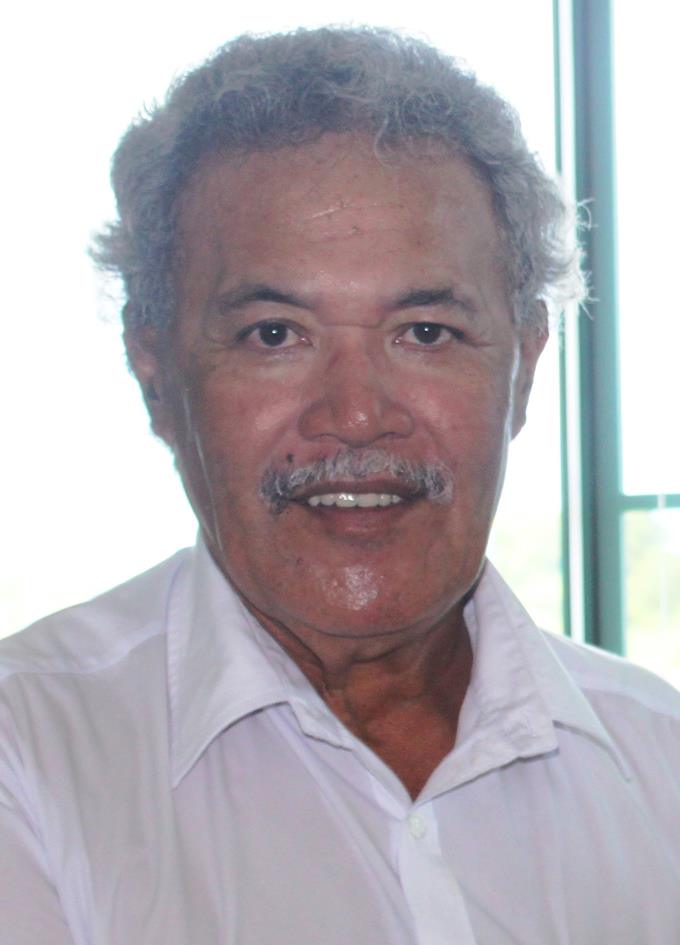
Enele Sopoaga
Enele Sosene Sopoaga PC (born 10 February 1956) is a Tuvaluan diplomat and politician who was Prime Minister of Tuvalu from 2013 to 2019.
Sopoaga was elected to Parliament in the 2010 general election. He served as deputy prime minister and minister for foreign affairs, the environment and labour in Prime Minister Maatia Toafa's short-lived government from September to December 2010. Following an unsuccessful bid for the premiership in December 2010 (with Toafa's support), he became leader of the Opposition to prime minister Willy Telavi's government. He became caretaker prime minister on 1 August 2013 following Telavi's removal by the Governor General, in the context of a political crisis. A day later, on 2 August 2013, the opposition successfully voted out Telavi's government in a no confidence vote. Following this, a ballot was held to elect the new prime minister of Tuvalu and Sopoaga won with 8 votes to 4. He was sworn in on 5 August 2013, and created his ministry the same day.
Sopoaga received a Certificate in Diplomatic Studies from Oxford University in 1990, and a master's degree from the University of Sussex in 1994. Sopoaga and his wife, Salilo Enele, have three children.
He is the younger brother of Saufatu Sopoaga, who was prime minister from 2002 to 2004.
From 1980 until 1986, Sopoaga served as an Education Administrator within the Ministry of Social Services. He became the Assistant Secretary of the Ministry of Social Services in 1986. He was the Assistant Secretary and European Union National Authorizing Officer, Department of Foreign Affairs (three years), and Ministry of Foreign Affairs and Economic Planning (two years), both between 1986 and 1991. Sopoaga was the acting officer within the Minister of Foreign Affairs and Economic Planning from 1991 until 1992. He then served as the Permanent Secretary (the highest civil service position) and European Union National Authorizing Officer within the Tuvaluan Ministry of Foreign Affairs and Economic Planning from 1992 to 1995. Additionally, Sopoaga served as Tuvalu's High Commissioner to Fiji. He also simultaneously served as the Tuvaluan High Commissioner to both Papua New Guinea and Samoa. From 1995 to 1996, he was the Permanent Secretary in the Ministry of Health, Sports and Human Resource Development.
He subsequently served as his country's Permanent Representative to the United Nations from 2001 (when the Permanent Mission of Tuvalu was established) to 2006. He also served as the vice-chairman of the Alliance of Small Island States (AOSIS) from January 2002. He has been described as "Tuvalu's climate change negotiator", tasked with raising the profile of the dangers posed by climate change in Tuvalu and other small island nations.
In 2010, he decided to go into politics, and stood for Parliament in the general election on 16 September 2010. Sopoaga, who was elected to parliament for the Nukufetau constituency was expected to pose a strong challenge to Ielemia for the office of prime minister during the formation of a new government. In the event, however, neither Ielemia nor Sopoaga stood for the premiership, and Maatia Toafa was elected prime minister. Toafa formed a cabinet composed largely of first time MPs who had given him their support, and appointed Sopoaga as deputy prime minister and Minister for Foreign Affairs, the Environment and Labour.
Maatia Toafa's government was brought down on 21 December 2010 by a motion of no confidence in Parliament, by eight votes to seven. The motion was reportedly due to MPs' concerns about the budget, and in particular possible restrictions on the government's funding of Tuvaluans' medical costs abroad. With a new prime minister due to be chosen on 24 December, Toafa announced that he would not be standing for the job, but that he hoped Sopoaga would be chosen by parliament in his place. Sopoaga stood for the premiership, but lost to Willy Telavi by seven votes to eight.
Hub AI
Enele Sopoaga AI simulator
(@Enele Sopoaga_simulator)
Enele Sopoaga
Enele Sosene Sopoaga PC (born 10 February 1956) is a Tuvaluan diplomat and politician who was Prime Minister of Tuvalu from 2013 to 2019.
Sopoaga was elected to Parliament in the 2010 general election. He served as deputy prime minister and minister for foreign affairs, the environment and labour in Prime Minister Maatia Toafa's short-lived government from September to December 2010. Following an unsuccessful bid for the premiership in December 2010 (with Toafa's support), he became leader of the Opposition to prime minister Willy Telavi's government. He became caretaker prime minister on 1 August 2013 following Telavi's removal by the Governor General, in the context of a political crisis. A day later, on 2 August 2013, the opposition successfully voted out Telavi's government in a no confidence vote. Following this, a ballot was held to elect the new prime minister of Tuvalu and Sopoaga won with 8 votes to 4. He was sworn in on 5 August 2013, and created his ministry the same day.
Sopoaga received a Certificate in Diplomatic Studies from Oxford University in 1990, and a master's degree from the University of Sussex in 1994. Sopoaga and his wife, Salilo Enele, have three children.
He is the younger brother of Saufatu Sopoaga, who was prime minister from 2002 to 2004.
From 1980 until 1986, Sopoaga served as an Education Administrator within the Ministry of Social Services. He became the Assistant Secretary of the Ministry of Social Services in 1986. He was the Assistant Secretary and European Union National Authorizing Officer, Department of Foreign Affairs (three years), and Ministry of Foreign Affairs and Economic Planning (two years), both between 1986 and 1991. Sopoaga was the acting officer within the Minister of Foreign Affairs and Economic Planning from 1991 until 1992. He then served as the Permanent Secretary (the highest civil service position) and European Union National Authorizing Officer within the Tuvaluan Ministry of Foreign Affairs and Economic Planning from 1992 to 1995. Additionally, Sopoaga served as Tuvalu's High Commissioner to Fiji. He also simultaneously served as the Tuvaluan High Commissioner to both Papua New Guinea and Samoa. From 1995 to 1996, he was the Permanent Secretary in the Ministry of Health, Sports and Human Resource Development.
He subsequently served as his country's Permanent Representative to the United Nations from 2001 (when the Permanent Mission of Tuvalu was established) to 2006. He also served as the vice-chairman of the Alliance of Small Island States (AOSIS) from January 2002. He has been described as "Tuvalu's climate change negotiator", tasked with raising the profile of the dangers posed by climate change in Tuvalu and other small island nations.
In 2010, he decided to go into politics, and stood for Parliament in the general election on 16 September 2010. Sopoaga, who was elected to parliament for the Nukufetau constituency was expected to pose a strong challenge to Ielemia for the office of prime minister during the formation of a new government. In the event, however, neither Ielemia nor Sopoaga stood for the premiership, and Maatia Toafa was elected prime minister. Toafa formed a cabinet composed largely of first time MPs who had given him their support, and appointed Sopoaga as deputy prime minister and Minister for Foreign Affairs, the Environment and Labour.
Maatia Toafa's government was brought down on 21 December 2010 by a motion of no confidence in Parliament, by eight votes to seven. The motion was reportedly due to MPs' concerns about the budget, and in particular possible restrictions on the government's funding of Tuvaluans' medical costs abroad. With a new prime minister due to be chosen on 24 December, Toafa announced that he would not be standing for the job, but that he hoped Sopoaga would be chosen by parliament in his place. Sopoaga stood for the premiership, but lost to Willy Telavi by seven votes to eight.