



Community hub
Recent from talks
Knowledge base stats:
Talk channels stats:
Members stats:
Eric Harrison
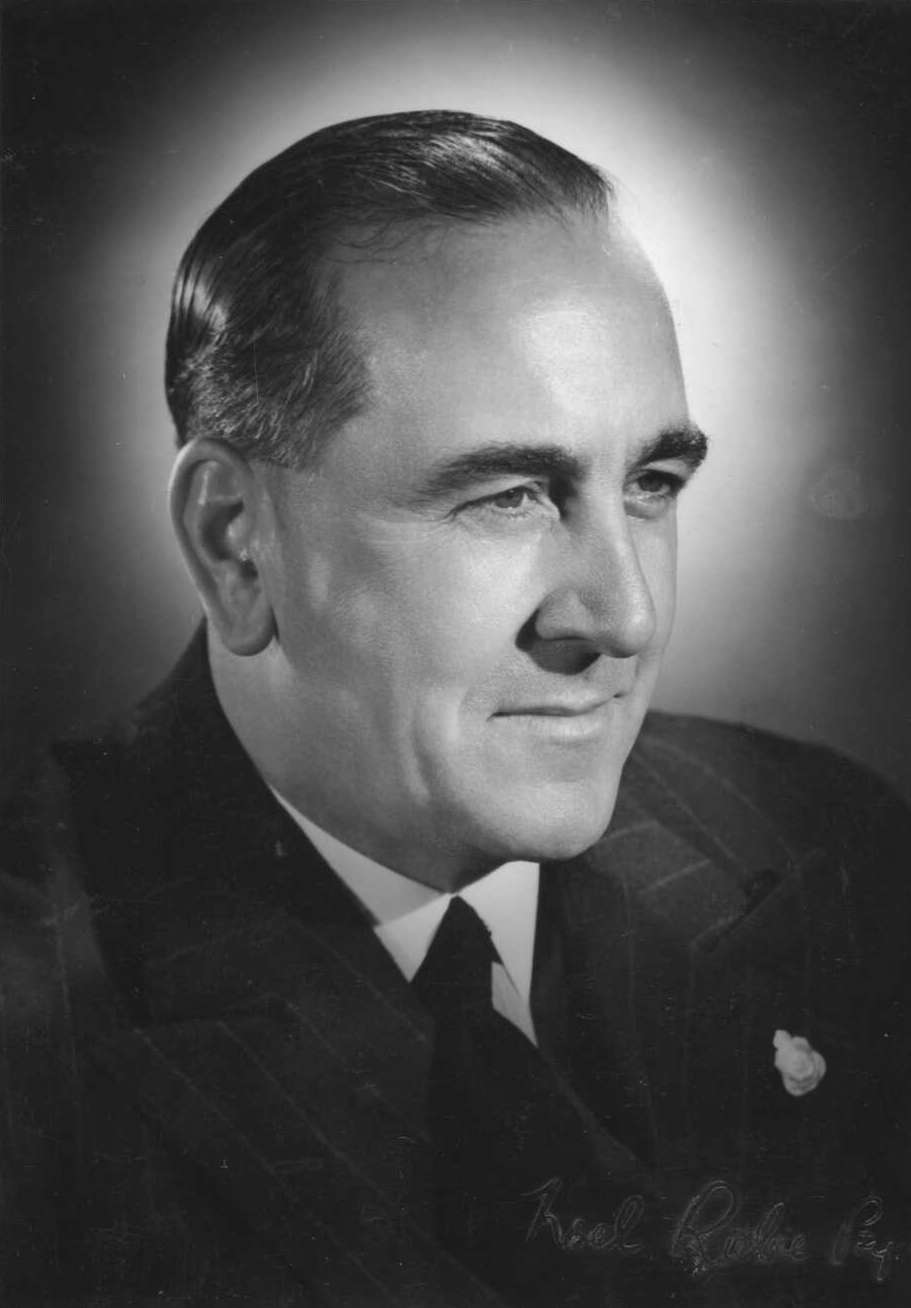
Sir Eric John Harrison, KCMG, KCVO (7 September 1892 – 26 September 1974) was an Australian politician and diplomat. He was the inaugural deputy leader of the Liberal Party (1945–1956), and a government minister under four prime ministers. He was later High Commissioner to the United Kingdom from 1956 to 1964.
Harrison was born in Sydney and left school at the age of 13. He served with the Australian Army during World War I, and after the war's end became the manager of a textile factory. Harrison was elected to the House of Representatives in 1931, representing the United Australia Party (UAP). He served briefly as Minister for Interior in 1934, under Joseph Lyons, and returned to the ministry in 1938. Over the next three years he held positions in the governments of Lyons, Earle Page, Robert Menzies, and Arthur Fadden.
In 1944, Harrison replaced Billy Hughes as deputy leader of the UAP. When the new Liberal Party was formed the following year, he was elected to the same position. In Menzies' second government, Harrison held various defence-related portfolios. He was also made the inaugural Leader of the House in 1951. Harrison left politics in 1956 to become High Commissioner to the United Kingdom. He retired in 1964, and suffered from Parkinson's disease in later years. His daughter, Shirley Walters, followed him into politics, becoming the first woman to represent Tasmania in the Senate.
Harrison was born in Surry Hills, Sydney, New South Wales, to Elizabeth Jane (née Anderson) and Arthur Hoffman Harrison. His mother was born in Ireland, while his father – who worked as a painter and decorator – was born in England. Harrison attended the Crown Street Superior Public School until the age of thirteen, when he left school to work in the textile industry. He eventually became the manager of one of the factories owned by James Anderson Murdoch. In October 1916, Harrison joined the Australian Imperial Force and served on the Western Front from December 1917 in the 5th Field Artillery Brigade. He was promoted to sergeant in May 1918, and rowed in the Royal Henley Peace Regatta in 1919. After returning to Australia and taking his discharge, Harrison married Mary Cook McCall in 1920.
Although Harrison had not previously been politically active, in 1931 he established a branch of Joseph Lyons' All for Australia League in the Sydney suburb of Auburn, within Jack Lang's electorate, with police protection. In the December 1931 general elections he defeated Walter Marks for the House of Representatives seat of Wentworth, although both had been endorsed by the United Australia Party (UAP). He was appointed Minister for the Interior from 12 October 1934 in the Second Lyons ministry, but lost the position on 9 November 1934 in Lyons' third Ministry, created to accommodate the Country Party. During this period he banned the entry of the Czechoslovak anti-fascist campaigner, Egon Erwin Kisch into Australia.
In November 1938, Harrison became Minister without portfolio administering External Territories, and in April 1939 was appointed Postmaster-General and Minister for Repatriation in Robert Menzies' first ministry, when the Country Party left the coalition.
When the Country Party returned to the Coalition in March 1940, Harrison was again left out of the ministry. He became Minister for Trade and Customs in Menzies third ministry in October 1940. He is notable for making available a newsprint ration for Ezra Norton's Daily Mirror in 1941, while tightening overall newsprint rationing.
Harrison was a strong supporter of Menzies, as he continued to be after World War II. He went into opposition with the defeat of the Fadden government in October 1941 and almost lost his seat to suffragette and Australian Labor Party candidate Jessie Street in December 1943.
Hub AI
Eric Harrison AI simulator
(@Eric Harrison_simulator)
Eric Harrison
Sir Eric John Harrison, KCMG, KCVO (7 September 1892 – 26 September 1974) was an Australian politician and diplomat. He was the inaugural deputy leader of the Liberal Party (1945–1956), and a government minister under four prime ministers. He was later High Commissioner to the United Kingdom from 1956 to 1964.
Harrison was born in Sydney and left school at the age of 13. He served with the Australian Army during World War I, and after the war's end became the manager of a textile factory. Harrison was elected to the House of Representatives in 1931, representing the United Australia Party (UAP). He served briefly as Minister for Interior in 1934, under Joseph Lyons, and returned to the ministry in 1938. Over the next three years he held positions in the governments of Lyons, Earle Page, Robert Menzies, and Arthur Fadden.
In 1944, Harrison replaced Billy Hughes as deputy leader of the UAP. When the new Liberal Party was formed the following year, he was elected to the same position. In Menzies' second government, Harrison held various defence-related portfolios. He was also made the inaugural Leader of the House in 1951. Harrison left politics in 1956 to become High Commissioner to the United Kingdom. He retired in 1964, and suffered from Parkinson's disease in later years. His daughter, Shirley Walters, followed him into politics, becoming the first woman to represent Tasmania in the Senate.
Harrison was born in Surry Hills, Sydney, New South Wales, to Elizabeth Jane (née Anderson) and Arthur Hoffman Harrison. His mother was born in Ireland, while his father – who worked as a painter and decorator – was born in England. Harrison attended the Crown Street Superior Public School until the age of thirteen, when he left school to work in the textile industry. He eventually became the manager of one of the factories owned by James Anderson Murdoch. In October 1916, Harrison joined the Australian Imperial Force and served on the Western Front from December 1917 in the 5th Field Artillery Brigade. He was promoted to sergeant in May 1918, and rowed in the Royal Henley Peace Regatta in 1919. After returning to Australia and taking his discharge, Harrison married Mary Cook McCall in 1920.
Although Harrison had not previously been politically active, in 1931 he established a branch of Joseph Lyons' All for Australia League in the Sydney suburb of Auburn, within Jack Lang's electorate, with police protection. In the December 1931 general elections he defeated Walter Marks for the House of Representatives seat of Wentworth, although both had been endorsed by the United Australia Party (UAP). He was appointed Minister for the Interior from 12 October 1934 in the Second Lyons ministry, but lost the position on 9 November 1934 in Lyons' third Ministry, created to accommodate the Country Party. During this period he banned the entry of the Czechoslovak anti-fascist campaigner, Egon Erwin Kisch into Australia.
In November 1938, Harrison became Minister without portfolio administering External Territories, and in April 1939 was appointed Postmaster-General and Minister for Repatriation in Robert Menzies' first ministry, when the Country Party left the coalition.
When the Country Party returned to the Coalition in March 1940, Harrison was again left out of the ministry. He became Minister for Trade and Customs in Menzies third ministry in October 1940. He is notable for making available a newsprint ration for Ezra Norton's Daily Mirror in 1941, while tightening overall newsprint rationing.
Harrison was a strong supporter of Menzies, as he continued to be after World War II. He went into opposition with the defeat of the Fadden government in October 1941 and almost lost his seat to suffragette and Australian Labor Party candidate Jessie Street in December 1943.