



Community hub
Community hub
Recent from talks
Knowledge base stats:
Talk channels stats:
Members stats:
Ernest Augustus, Duke of Brunswick
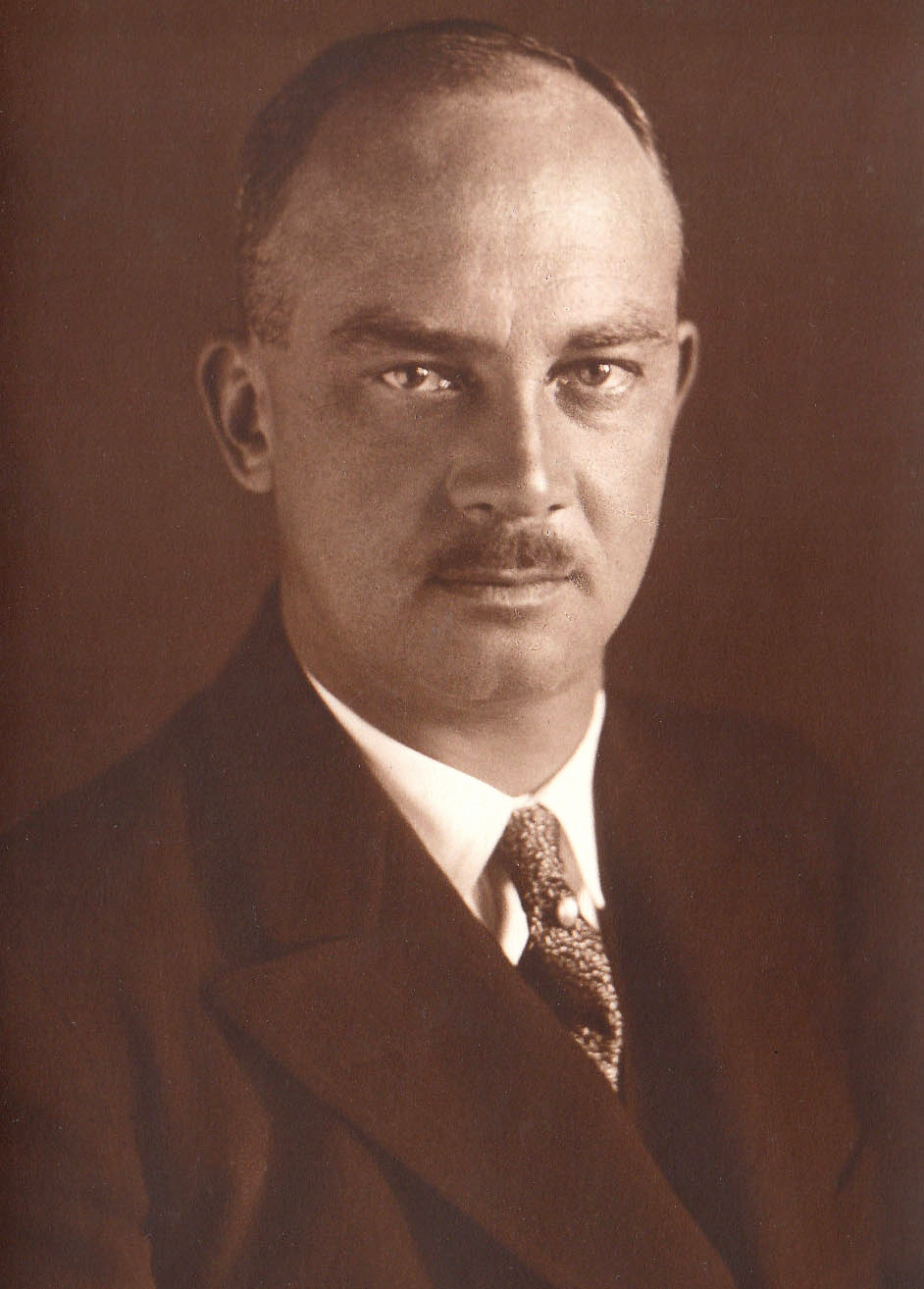
Ernest Augustus (Ernest Augustus Christian George; German: Ernst August Christian Georg; 17 November 1887 – 30 January 1953) was Duke of Brunswick from 2 November 1913 to 8 November 1918. He was a grandson of George V of Hanover, thus a Prince of Hanover and a Prince of the United Kingdom. He was also a maternal grandson of Christian IX of Denmark and the son-in-law of German Emperor Wilhelm II. The Prussians had deposed King George from the Hanoverian throne in 1866, but his marriage ended the decades-long feud between the Prussians and the Hanoverians.
Ernest Augustus was born at Penzing near Vienna, the sixth and youngest child of former Crown Prince Ernest Augustus of Hanover and his wife, Princess Thyra of Denmark. His great-grandfather, Prince Ernest Augustus, Duke of Cumberland, the fifth son of George III of the United Kingdom, became king of Hanover in 1837 because Salic Law barred Victoria, Queen of the United Kingdom, from inheriting the Hanoverian throne.
His father succeeded as pretender to the Hanoverian throne and as Duke of Cumberland and Teviotdale in the peerage of Great Britain in 1878. The younger Ernest Augustus became heir apparent to the dukedom of Cumberland and to the Hanoverian claim upon the deaths of his two elder brothers, George and Christian. Through his mother, he was a first cousin of Christian X of Denmark, Haakon VII of Norway, George V of the United Kingdom, Constantine I of Greece and Nicholas II of Russia.
In 1884, his paternal great-granduncle the reigning Duke of Brunswick (a male line descendant of Henry, the older brother of William, his male line ancestor) died. Since the younger branch of the House of Welf ended with him, under house rules it would have passed to the Duke of Cumberland, who immediately claimed the throne. However, the Imperial Chancellor, Otto von Bismarck, managed to get the Federal Council (Bundesrat) of the German Empire to rule that the Duke of Cumberland would disturb the peace of the empire if he ascended the throne of Brunswick. Bismarck did this because the duke had never formally renounced his claims to the kingdom of Hanover, which had been annexed to Prussia in 1866 following the end of the Austro-Prussian War (Hanover had sided with losing Austria). Instead, Prince Albrecht of Prussia became the regent of Brunswick. After Prince Albrecht's death in 1906, the duke offered that he and his elder son, Prince George, would renounce their claims to the Duchy of Brunswick in order to allow Ernest Augustus, his only other surviving son, to take possession of the Duchy, but this option was rejected by the Bundesrat and the regency continued, this time under Duke Johann Albrecht of Mecklenburg-Schwerin, who had previously acted as regent for his nephew in Mecklenburg.
When Ernest Augustus's older brother George died in an automobile accident on 20 May 1912, the German Emperor, Wilhelm II, sent a message of condolence to the Duke of Cumberland. In response to this friendly gesture, the Duke sent his only surviving son, Ernest Augustus, to Berlin to thank the Emperor for his message. Ernest Augustus and Wilhelm II were third cousins through George III of the United Kingdom. In Berlin, Ernest Augustus met and fell in love with the emperor's only daughter, Princess Victoria Louise of Prussia.
On 24 May 1913, Ernest Augustus and Victoria Louise, third cousins once removed through descent from George III's sons King Ernest Augustus of Hanover and Edward, Duke of Kent, were married to each other. This marriage ended the decades-long rift between the Houses of Hohenzollern and Hanover. The wedding of Prince Ernest Augustus and Princess Victoria Louise was also the last great gathering of European sovereigns before the outbreak of the Great War, as recalled by Constantine II of Greece, a grandson of the married couple, in 2003. In addition to the German Emperor and Empress and the Duke and Duchess of Cumberland, King George V and Queen Mary of the United Kingdom and Tsar Nicholas II attended. Upon the announcement of his betrothal to Princess Victoria Louise in February 1913, Ernest Augustus swore allegiance to the German Empire and accepted a commission as a cavalry captain and company commander in the Zieten–Hussars, a Prussian Army regiment in which his grandfather (George V) and great-grandfather (Ernest Augustus) had been colonels. Two imprisoned British spies, Captain Stewart and Captain Trench, were pardoned and released by the German Emperor as a wedding present to the United Kingdom. George V of the United Kingdom had given consent to the marriage on 17 March 1913, as required by the Royal Marriages Act.
On 27 October 1913, the Duke of Cumberland formally renounced his claims to the duchy of Brunswick in favor of his surviving son. The following day, the Federal Council voted to allow Ernest Augustus to become the reigning Duke of Brunswick. The new Duke of Brunswick formally took possession of his duchy on 1 November. He received a promotion to colonel in the Prussian Zieten Hussars. The new duke and duchess of Brunswick moved into Brunswick Palace in the capital of Brunswick and began their family with the birth of their eldest son, Prince Ernest Augustus, less than a year after their wedding.[citation needed]
During the First World War, Ernest Augustus rose to the rank of major-general.
Hub AI
Ernest Augustus, Duke of Brunswick AI simulator
(@Ernest Augustus, Duke of Brunswick_simulator)
Ernest Augustus, Duke of Brunswick
Ernest Augustus (Ernest Augustus Christian George; German: Ernst August Christian Georg; 17 November 1887 – 30 January 1953) was Duke of Brunswick from 2 November 1913 to 8 November 1918. He was a grandson of George V of Hanover, thus a Prince of Hanover and a Prince of the United Kingdom. He was also a maternal grandson of Christian IX of Denmark and the son-in-law of German Emperor Wilhelm II. The Prussians had deposed King George from the Hanoverian throne in 1866, but his marriage ended the decades-long feud between the Prussians and the Hanoverians.
Ernest Augustus was born at Penzing near Vienna, the sixth and youngest child of former Crown Prince Ernest Augustus of Hanover and his wife, Princess Thyra of Denmark. His great-grandfather, Prince Ernest Augustus, Duke of Cumberland, the fifth son of George III of the United Kingdom, became king of Hanover in 1837 because Salic Law barred Victoria, Queen of the United Kingdom, from inheriting the Hanoverian throne.
His father succeeded as pretender to the Hanoverian throne and as Duke of Cumberland and Teviotdale in the peerage of Great Britain in 1878. The younger Ernest Augustus became heir apparent to the dukedom of Cumberland and to the Hanoverian claim upon the deaths of his two elder brothers, George and Christian. Through his mother, he was a first cousin of Christian X of Denmark, Haakon VII of Norway, George V of the United Kingdom, Constantine I of Greece and Nicholas II of Russia.
In 1884, his paternal great-granduncle the reigning Duke of Brunswick (a male line descendant of Henry, the older brother of William, his male line ancestor) died. Since the younger branch of the House of Welf ended with him, under house rules it would have passed to the Duke of Cumberland, who immediately claimed the throne. However, the Imperial Chancellor, Otto von Bismarck, managed to get the Federal Council (Bundesrat) of the German Empire to rule that the Duke of Cumberland would disturb the peace of the empire if he ascended the throne of Brunswick. Bismarck did this because the duke had never formally renounced his claims to the kingdom of Hanover, which had been annexed to Prussia in 1866 following the end of the Austro-Prussian War (Hanover had sided with losing Austria). Instead, Prince Albrecht of Prussia became the regent of Brunswick. After Prince Albrecht's death in 1906, the duke offered that he and his elder son, Prince George, would renounce their claims to the Duchy of Brunswick in order to allow Ernest Augustus, his only other surviving son, to take possession of the Duchy, but this option was rejected by the Bundesrat and the regency continued, this time under Duke Johann Albrecht of Mecklenburg-Schwerin, who had previously acted as regent for his nephew in Mecklenburg.
When Ernest Augustus's older brother George died in an automobile accident on 20 May 1912, the German Emperor, Wilhelm II, sent a message of condolence to the Duke of Cumberland. In response to this friendly gesture, the Duke sent his only surviving son, Ernest Augustus, to Berlin to thank the Emperor for his message. Ernest Augustus and Wilhelm II were third cousins through George III of the United Kingdom. In Berlin, Ernest Augustus met and fell in love with the emperor's only daughter, Princess Victoria Louise of Prussia.
On 24 May 1913, Ernest Augustus and Victoria Louise, third cousins once removed through descent from George III's sons King Ernest Augustus of Hanover and Edward, Duke of Kent, were married to each other. This marriage ended the decades-long rift between the Houses of Hohenzollern and Hanover. The wedding of Prince Ernest Augustus and Princess Victoria Louise was also the last great gathering of European sovereigns before the outbreak of the Great War, as recalled by Constantine II of Greece, a grandson of the married couple, in 2003. In addition to the German Emperor and Empress and the Duke and Duchess of Cumberland, King George V and Queen Mary of the United Kingdom and Tsar Nicholas II attended. Upon the announcement of his betrothal to Princess Victoria Louise in February 1913, Ernest Augustus swore allegiance to the German Empire and accepted a commission as a cavalry captain and company commander in the Zieten–Hussars, a Prussian Army regiment in which his grandfather (George V) and great-grandfather (Ernest Augustus) had been colonels. Two imprisoned British spies, Captain Stewart and Captain Trench, were pardoned and released by the German Emperor as a wedding present to the United Kingdom. George V of the United Kingdom had given consent to the marriage on 17 March 1913, as required by the Royal Marriages Act.
On 27 October 1913, the Duke of Cumberland formally renounced his claims to the duchy of Brunswick in favor of his surviving son. The following day, the Federal Council voted to allow Ernest Augustus to become the reigning Duke of Brunswick. The new Duke of Brunswick formally took possession of his duchy on 1 November. He received a promotion to colonel in the Prussian Zieten Hussars. The new duke and duchess of Brunswick moved into Brunswick Palace in the capital of Brunswick and began their family with the birth of their eldest son, Prince Ernest Augustus, less than a year after their wedding.[citation needed]
During the First World War, Ernest Augustus rose to the rank of major-general.