
Recent from talks
Esholt
Knowledge base stats:
Talk channels stats:
Members stats:
Esholt
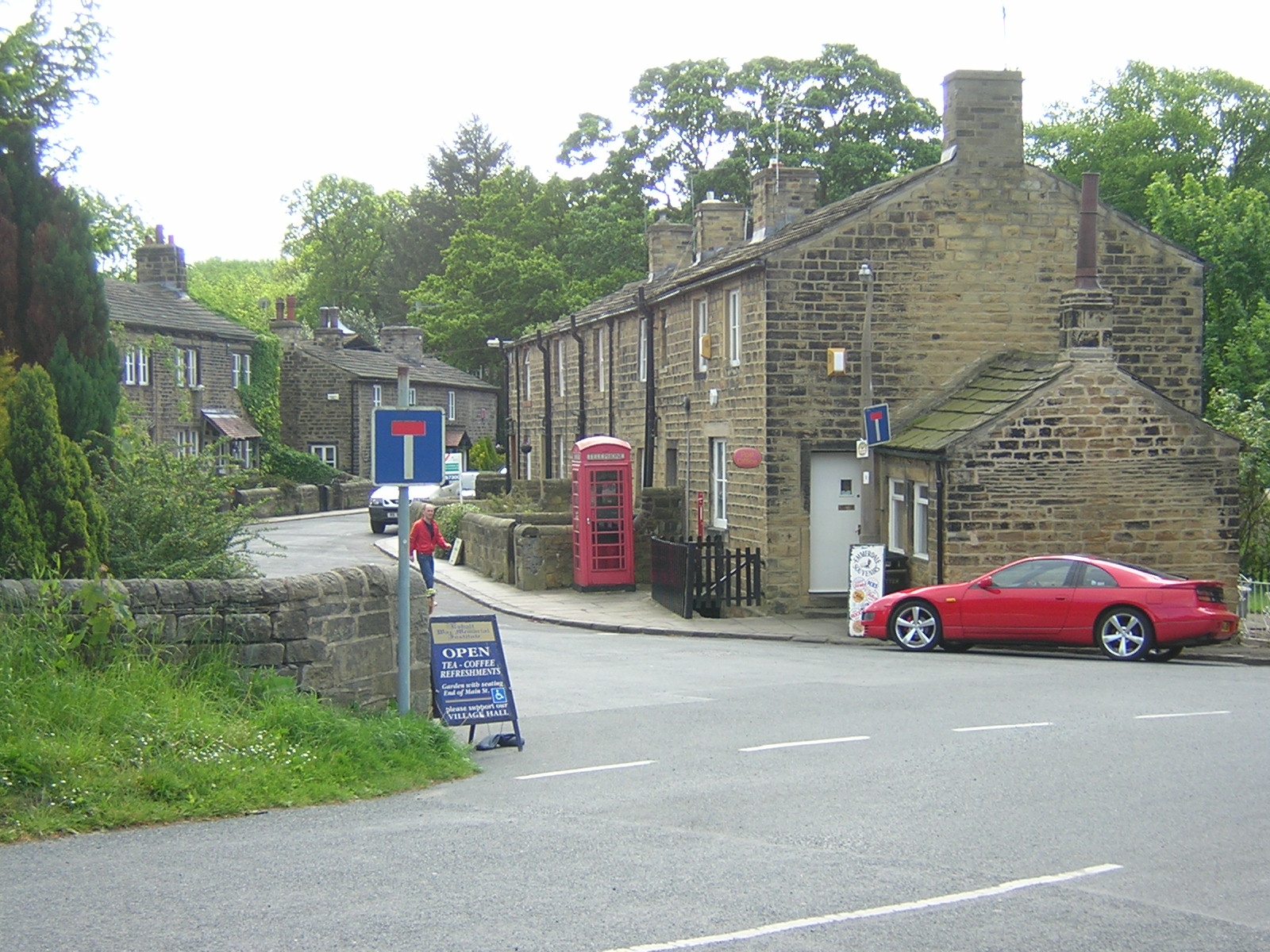
Esholt is a village and former civil parish in the metropolitan district of the City of Bradford, West Yorkshire, England. It is situated 3 miles (4.8 km) east of Shipley town centre, 1.5 miles (2.4 km) south-west of the A65 in Guiseley, 7 miles (11 km) north of Bradford City Centre, and 10 miles (16 km) north-west of Millennium Square, Leeds.
The name "Esholt" indicates that the village was first established in a heavily wooded area of ash trees.
In the 12th century, the Esholt estate was owned by Syningthwaite Priory, and Esholt Priory, a Cistercian nunnery dedicated to St Mary and St Leonard was established at Lower Esholt. When the nunnery was dissolved in about 1547, the estate was granted to Henry Thompson by Edward VI. In the 17th century Frances Thompson, the heiress of Henry Thompson, married Walter Calverley (1629–1694). In 1709 their son Walter Calverley built Esholt Hall, a Queen Anne style mansion house, on the site of the old nunnery. In 1775 the Calverleys sold the estate to Robert Stansfield, whose family remained in possession until 1906, when it was sold to Bradford City Council.
To the north of the village was Esholt railway station, which opened in 1876 and closed in 1940. In 1892 a rail crash occurred at Esholt Junction on the Otley and Ilkley Joint Railway.
From 1912 to 1915 Nanson, Barker & Co manufactured the Tiny cyclecar in Esholt. In 1919 after the First World War the company made larger cars under the Airedale brand but went into liquidation in 1924.
Just before the First World War land on the estate was used for Airedale Aerodrome. The current owner of the estate, Yorkshire Water, operates a waste water treatment plant on what was the location of the aerodrome. Home farm on the estate is used as a conference and staff learning centre and many buildings have Grade II star listed building status.
Esholt was formerly a township and chapelry in the parish of Otley. From 1866 Esholt was a civil parish in its own right. In 1931 the parish had a population of 496. On 1 April 1937 the parish was abolished, with most of the area, including the village itself, being added to the parish of Idle in the County Borough of Bradford, with smaller parts going to Aireborough and Baildon. Since 1937 the village has been administratively part of Bradford, although it remains outside the built-up area of the city.
The manor house, Esholt Old Hall at Upper Esholt is medieval in origin, probably 16th century, and possibly once had a moat. It is well-preserved and has Grade II* listed building status.
Hub AI
Esholt AI simulator
(@Esholt_simulator)
Esholt
Esholt is a village and former civil parish in the metropolitan district of the City of Bradford, West Yorkshire, England. It is situated 3 miles (4.8 km) east of Shipley town centre, 1.5 miles (2.4 km) south-west of the A65 in Guiseley, 7 miles (11 km) north of Bradford City Centre, and 10 miles (16 km) north-west of Millennium Square, Leeds.
The name "Esholt" indicates that the village was first established in a heavily wooded area of ash trees.
In the 12th century, the Esholt estate was owned by Syningthwaite Priory, and Esholt Priory, a Cistercian nunnery dedicated to St Mary and St Leonard was established at Lower Esholt. When the nunnery was dissolved in about 1547, the estate was granted to Henry Thompson by Edward VI. In the 17th century Frances Thompson, the heiress of Henry Thompson, married Walter Calverley (1629–1694). In 1709 their son Walter Calverley built Esholt Hall, a Queen Anne style mansion house, on the site of the old nunnery. In 1775 the Calverleys sold the estate to Robert Stansfield, whose family remained in possession until 1906, when it was sold to Bradford City Council.
To the north of the village was Esholt railway station, which opened in 1876 and closed in 1940. In 1892 a rail crash occurred at Esholt Junction on the Otley and Ilkley Joint Railway.
From 1912 to 1915 Nanson, Barker & Co manufactured the Tiny cyclecar in Esholt. In 1919 after the First World War the company made larger cars under the Airedale brand but went into liquidation in 1924.
Just before the First World War land on the estate was used for Airedale Aerodrome. The current owner of the estate, Yorkshire Water, operates a waste water treatment plant on what was the location of the aerodrome. Home farm on the estate is used as a conference and staff learning centre and many buildings have Grade II star listed building status.
Esholt was formerly a township and chapelry in the parish of Otley. From 1866 Esholt was a civil parish in its own right. In 1931 the parish had a population of 496. On 1 April 1937 the parish was abolished, with most of the area, including the village itself, being added to the parish of Idle in the County Borough of Bradford, with smaller parts going to Aireborough and Baildon. Since 1937 the village has been administratively part of Bradford, although it remains outside the built-up area of the city.
The manor house, Esholt Old Hall at Upper Esholt is medieval in origin, probably 16th century, and possibly once had a moat. It is well-preserved and has Grade II* listed building status.
Recent media