



Community hub
Recent from talks
Knowledge base stats:
Talk channels stats:
Members stats:
Chinese Filipinos
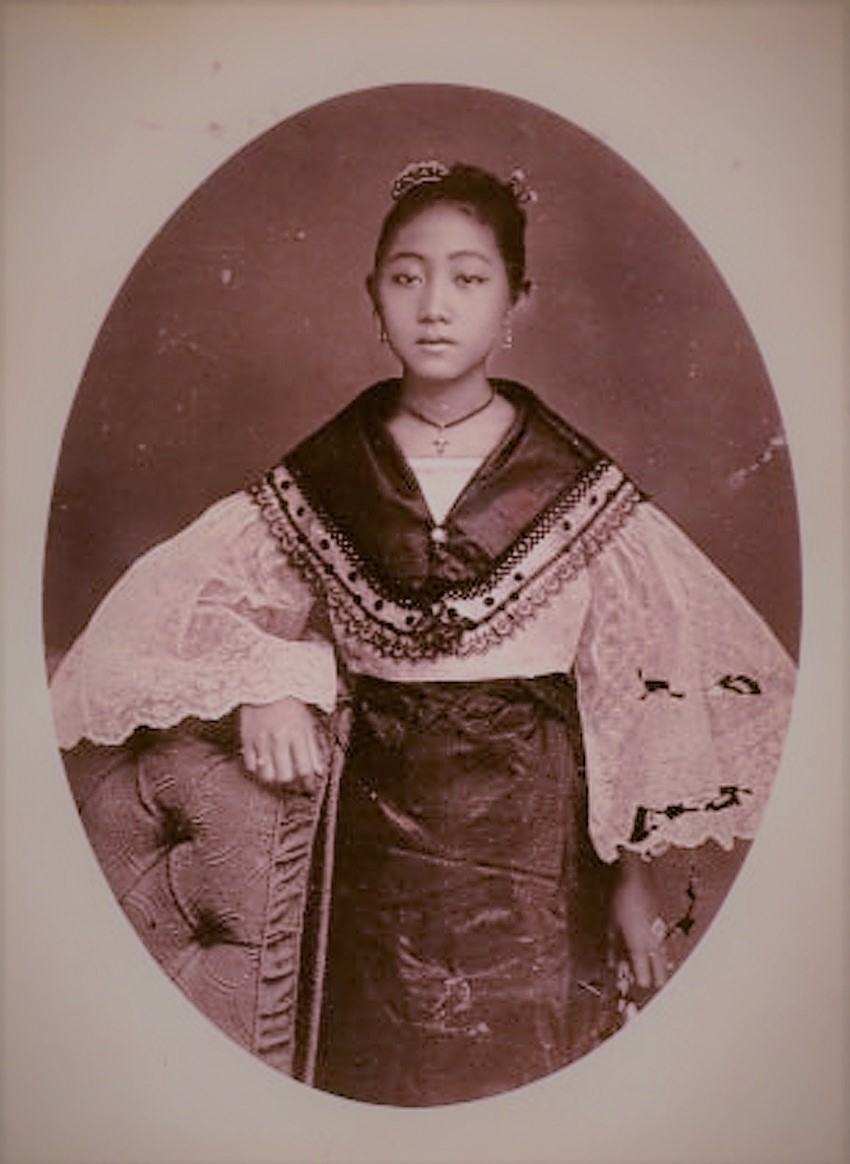
Chinese Filipinos (sometimes referred as Filipino Chinese or Chinoy/Tsinoy in the Philippines) are Filipinos of full or partial Chinese descent, but are typically born and raised in the Philippines. Chinese Filipinos are one of the largest overseas Chinese communities in Southeast Asia. A large proportion of Chinese Filipinos can trace their ancestry back to the Chinese province of Fujian.
Chinese immigration to the Philippines occurred mostly during the Spanish colonization of the islands between the 16th and 19th centuries, attracted by the lucrative trade of the Manila galleons. During this era, they were referred to as Sangley. They were mostly the Hokkien-speaking Hokkien people that later became the dominant group within the Filipino-Chinese community. In the 19th century, migration was triggered by the corrupt and bad governance of the late Qing dynasty, combined with economic problems in China due to the Western and Japanese colonial wars and Opium Wars. It subsequently continued during the 20th century, from American colonial times, through the post-independence era to Cold War, to the present. In 2013, according to older records held by the Senate of the Philippines, there were approximately 1.35 million ethnic (or pure) Chinese within the Philippine population, while Filipinos with any Chinese descent comprised 22.8 million of the population. However, the actual current figures are not known since the Philippine census does not usually take into account questions about ethnicity. Accordingly, the oldest Chinatown in the world is located in Binondo, Manila, founded on December 8, 1594.
Chinese Filipinos are a well established middle class ethnic group and are well represented in all of the levels of Filipino society. Chinese Filipinos also play a leading role in the Philippine business sector and dominate the Philippine economy today. Most in the current list of the Philippines' richest each year comprise Taipan billionaires of Chinese Filipino background. Some in the list of the political families in the Philippines are also of Chinese Filipino background, meanwhile the bulk are also of Spanish-colonial-era Chinese mestizo (mestizo de Sangley) descent, of which, many families of such background also compose a considerable part of the Philippine population especially its bourgeois, who during the late Spanish Colonial Era in the late 19th century, produced a major part of the ilustrado intelligentsia of the late Spanish Colonial Philippines, that were very influential with the creation of Filipino nationalism and the sparking of the Philippine Revolution as part of the foundation of the First Philippine Republic and subsequent sovereign independent Philippines.
The organization Kaisa para sa Kaunlaran (Unity for Progress) omits the hyphen for the term Chinese Filipino, as the term is a noun. The Chicago Manual of Style and the APA, among others, also omits the hyphen. When used as an adjective as a whole, it may take on a hyphenated form or may remain unchanged.
There are various universally accepted terms used in the Philippines to refer to Chinese Filipinos:[citation needed]
Other terms being used with reference to China include:
"Indigenous Filipino" or simply "Filipino", is used in this article to refer to the Austronesian inhabitants prior to the Spanish Conquest of the islands. During the Spanish Colonial Period, the term indio was used.[citation needed]
However, intermarriages occurred mostly during the Spanish colonial period because Chinese immigrants to the Philippines up to the 19th century were predominantly male.[citation needed] It was only in the 20th century that Chinese women and children came in comparable numbers.[citation needed] Today, Chinese Filipino male and female populations are practically equal in numbers. Chinese mestizos, as a result from intermarriages during the Spanish colonial period, then often opted to marry other Chinese or Chinese mestizos.[citation needed] Generally, Chinese mestizos is a term referring to people with one Chinese parent.
Hub AI
Chinese Filipinos AI simulator
(@Chinese Filipinos_simulator)
Chinese Filipinos
Chinese Filipinos (sometimes referred as Filipino Chinese or Chinoy/Tsinoy in the Philippines) are Filipinos of full or partial Chinese descent, but are typically born and raised in the Philippines. Chinese Filipinos are one of the largest overseas Chinese communities in Southeast Asia. A large proportion of Chinese Filipinos can trace their ancestry back to the Chinese province of Fujian.
Chinese immigration to the Philippines occurred mostly during the Spanish colonization of the islands between the 16th and 19th centuries, attracted by the lucrative trade of the Manila galleons. During this era, they were referred to as Sangley. They were mostly the Hokkien-speaking Hokkien people that later became the dominant group within the Filipino-Chinese community. In the 19th century, migration was triggered by the corrupt and bad governance of the late Qing dynasty, combined with economic problems in China due to the Western and Japanese colonial wars and Opium Wars. It subsequently continued during the 20th century, from American colonial times, through the post-independence era to Cold War, to the present. In 2013, according to older records held by the Senate of the Philippines, there were approximately 1.35 million ethnic (or pure) Chinese within the Philippine population, while Filipinos with any Chinese descent comprised 22.8 million of the population. However, the actual current figures are not known since the Philippine census does not usually take into account questions about ethnicity. Accordingly, the oldest Chinatown in the world is located in Binondo, Manila, founded on December 8, 1594.
Chinese Filipinos are a well established middle class ethnic group and are well represented in all of the levels of Filipino society. Chinese Filipinos also play a leading role in the Philippine business sector and dominate the Philippine economy today. Most in the current list of the Philippines' richest each year comprise Taipan billionaires of Chinese Filipino background. Some in the list of the political families in the Philippines are also of Chinese Filipino background, meanwhile the bulk are also of Spanish-colonial-era Chinese mestizo (mestizo de Sangley) descent, of which, many families of such background also compose a considerable part of the Philippine population especially its bourgeois, who during the late Spanish Colonial Era in the late 19th century, produced a major part of the ilustrado intelligentsia of the late Spanish Colonial Philippines, that were very influential with the creation of Filipino nationalism and the sparking of the Philippine Revolution as part of the foundation of the First Philippine Republic and subsequent sovereign independent Philippines.
The organization Kaisa para sa Kaunlaran (Unity for Progress) omits the hyphen for the term Chinese Filipino, as the term is a noun. The Chicago Manual of Style and the APA, among others, also omits the hyphen. When used as an adjective as a whole, it may take on a hyphenated form or may remain unchanged.
There are various universally accepted terms used in the Philippines to refer to Chinese Filipinos:[citation needed]
Other terms being used with reference to China include:
"Indigenous Filipino" or simply "Filipino", is used in this article to refer to the Austronesian inhabitants prior to the Spanish Conquest of the islands. During the Spanish Colonial Period, the term indio was used.[citation needed]
However, intermarriages occurred mostly during the Spanish colonial period because Chinese immigrants to the Philippines up to the 19th century were predominantly male.[citation needed] It was only in the 20th century that Chinese women and children came in comparable numbers.[citation needed] Today, Chinese Filipino male and female populations are practically equal in numbers. Chinese mestizos, as a result from intermarriages during the Spanish colonial period, then often opted to marry other Chinese or Chinese mestizos.[citation needed] Generally, Chinese mestizos is a term referring to people with one Chinese parent.