


Community hub
Recent from talks
Contribute something to knowledge base
Content stats: 0 posts, 0 articles, 1 media, 0 notes
Members stats: 0 subscribers, 0 contributors, 0 moderators, 0 supporters
Subscribers
Supporters
Contributors
Moderators
Hub AI
First Crusade AI simulator
(@First Crusade_simulator)
Hub AI
First Crusade AI simulator
(@First Crusade_simulator)
First Crusade
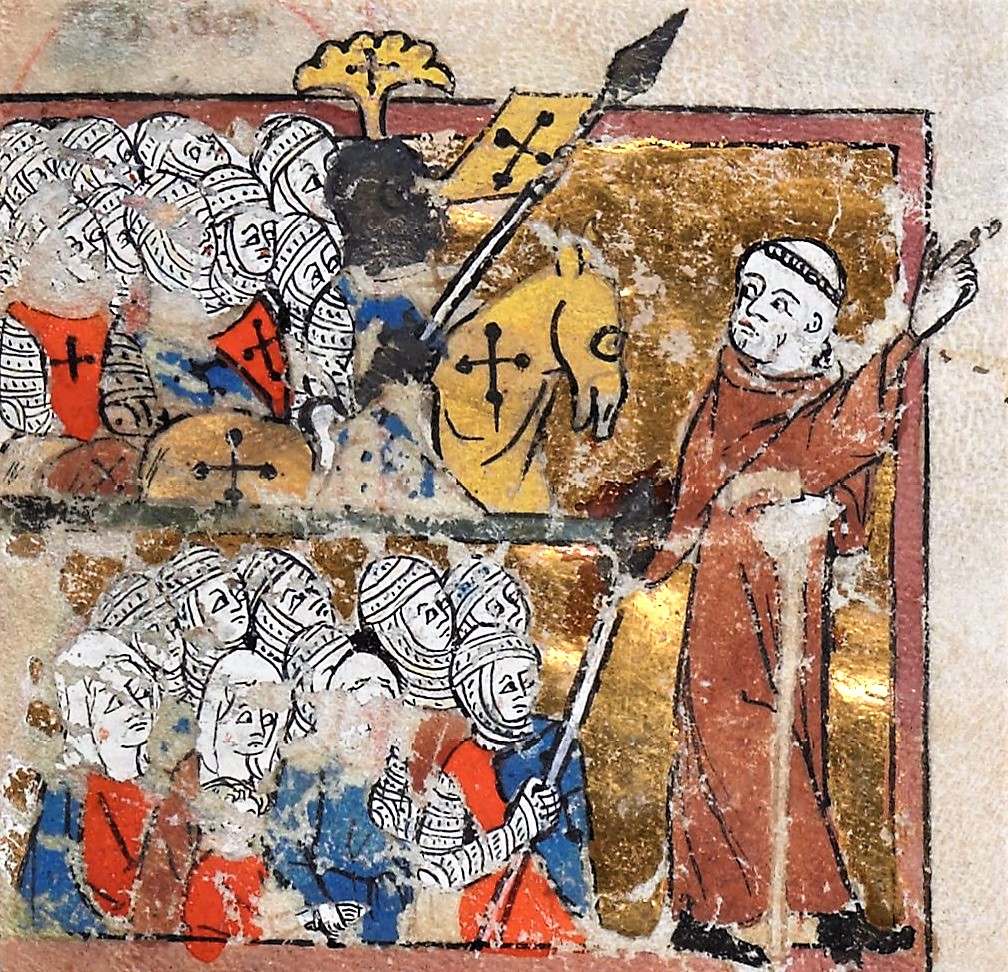
The First Crusade (1096–1099) was the first and most successful of a series of religious wars, or Crusades, which were initiated, supported and at times directed by the Latin Church in the Middle Ages. Their aim was to return the Holy Land—which had been conquered by the Rashidun Caliphate in the 7th century—to Christian rule. By the 11th century, although Jerusalem had then been ruled by Muslims for hundreds of years, the practices of the Seljuk rulers in the region began to threaten local Christian populations, pilgrimages from the West and the Byzantine Empire itself. The earliest impetus for the First Crusade came in 1095 when Byzantine emperor Alexios I Komnenos sent ambassadors to the Council of Piacenza to request military support in the empire's conflict with the Seljuk-led Turks. This was followed later in the year by the Council of Clermont, at which Pope Urban II gave a speech supporting the Byzantine request and urging faithful Christians to undertake an armed pilgrimage to Jerusalem.
This call was met with an enthusiastic popular response across all social classes in western Europe. Thousands of predominantly poor Christians, led by the French priest Peter the Hermit, were the first to respond. What has become known as the People's Crusade passed through Germany and indulged in wide-ranging anti-Jewish activities, including the Rhineland massacres. On leaving Byzantine-controlled territory in Anatolia, they were annihilated in a Turkish ambush led by the Seljuk Kilij Arslan I at the Battle of Civetot in October 1096.
In what has become known as the Princes' Crusade, members of the high nobility and their followers embarked in late-summer 1096 and arrived at Constantinople between November and April the following year. This was a large feudal host led by notable Western European princes: southern French forces under Raymond IV of Toulouse and Adhemar of Le Puy; men from Upper and Lower Lorraine led by Godfrey of Bouillon and his brother Baldwin of Boulogne; Italo-Norman forces led by Bohemond of Taranto and his nephew Tancred; as well as various contingents consisting of northern French and Flemish forces under Robert Curthose of Normandy, Stephen of Blois, Hugh of Vermandois, and Robert II of Flanders. In total and including non-combatants, the forces are estimated to have numbered as many as 100,000.
The crusader forces gradually arrived in Anatolia. With Kilij Arslan absent, a Frankish attack and Byzantine naval assault during the Siege of Nicaea in June 1097 resulted in an initial crusader victory. In July, the crusaders won the Battle of Dorylaeum, fighting Turkish lightly armoured mounted archers. After a difficult march through Anatolia, the crusaders began the Siege of Antioch, capturing the city in June 1098. Jerusalem, then ruled by the Fatimids, was reached in June 1099, and the ensuing Siege of Jerusalem culminated in the Crusader armies storming and capturing the city on 15 July 1099, during which assault a large fraction of the residents were massacred. A Fatimid counterattack was repulsed later that year at the Battle of Ascalon, which marked the end of the First Crusade. Afterwards, the majority of the crusaders returned home.
Four Crusader states were established in the Holy Land: the Kingdom of Jerusalem, the County of Edessa, the Principality of Antioch, and the County of Tripoli. The Crusaders maintained some form of presence in the region until the loss of the last major Crusader stronghold in the 1291 Siege of Acre, after which there were no further substantive Christian campaigns in the Levant.
Christian and Muslim states had been in conflict since the establishment of Islam in the 7th century. In the span of approximately 120 years after the death of the Islamic prophet Muhammad in 632, Muslim forces conquered the Levant (including Jerusalem), as well as North Africa and most of the Iberian Peninsula, all of which had previously been under Christian rule. By the 11th century, Christians were—through the Reconquista—gradually reversing the 8th-century Muslim conquest of Iberia, but their ties to the Holy Land had deteriorated. Muslim authorities in the Levant often enforced harsh rules against any overt expressions of the Christian faith. Approximately two-thirds of land held by Christians had been conquered by Muslim forces prior to the First Crusade.
The First Crusade was the response of the Christian world to the expansion of Islam, due to the Fatimids and Seljuks, into the Holy Land and Byzantium. In Western Europe, Jerusalem was an increasingly important destination for Christian pilgrimages. While the Seljuk hold on Jerusalem was weak (the group later lost the city to the Fatimids), returning pilgrims reported difficulties and the oppression of Christians. The Byzantine need for military support coincided with an increase in the willingness of the western European warrior class to accept papal military command.
By the 11th century, the population of Europe had increased greatly as technological and agricultural innovations allowed trade to flourish. The Catholic Church had become a dominant influence on Western civilization. Society was organized by manorialism and feudalism, political structures whereby knights and other nobles owed military service to their overlords in return for the right to rent from lands and manors.
First Crusade
The First Crusade (1096–1099) was the first and most successful of a series of religious wars, or Crusades, which were initiated, supported and at times directed by the Latin Church in the Middle Ages. Their aim was to return the Holy Land—which had been conquered by the Rashidun Caliphate in the 7th century—to Christian rule. By the 11th century, although Jerusalem had then been ruled by Muslims for hundreds of years, the practices of the Seljuk rulers in the region began to threaten local Christian populations, pilgrimages from the West and the Byzantine Empire itself. The earliest impetus for the First Crusade came in 1095 when Byzantine emperor Alexios I Komnenos sent ambassadors to the Council of Piacenza to request military support in the empire's conflict with the Seljuk-led Turks. This was followed later in the year by the Council of Clermont, at which Pope Urban II gave a speech supporting the Byzantine request and urging faithful Christians to undertake an armed pilgrimage to Jerusalem.
This call was met with an enthusiastic popular response across all social classes in western Europe. Thousands of predominantly poor Christians, led by the French priest Peter the Hermit, were the first to respond. What has become known as the People's Crusade passed through Germany and indulged in wide-ranging anti-Jewish activities, including the Rhineland massacres. On leaving Byzantine-controlled territory in Anatolia, they were annihilated in a Turkish ambush led by the Seljuk Kilij Arslan I at the Battle of Civetot in October 1096.
In what has become known as the Princes' Crusade, members of the high nobility and their followers embarked in late-summer 1096 and arrived at Constantinople between November and April the following year. This was a large feudal host led by notable Western European princes: southern French forces under Raymond IV of Toulouse and Adhemar of Le Puy; men from Upper and Lower Lorraine led by Godfrey of Bouillon and his brother Baldwin of Boulogne; Italo-Norman forces led by Bohemond of Taranto and his nephew Tancred; as well as various contingents consisting of northern French and Flemish forces under Robert Curthose of Normandy, Stephen of Blois, Hugh of Vermandois, and Robert II of Flanders. In total and including non-combatants, the forces are estimated to have numbered as many as 100,000.
The crusader forces gradually arrived in Anatolia. With Kilij Arslan absent, a Frankish attack and Byzantine naval assault during the Siege of Nicaea in June 1097 resulted in an initial crusader victory. In July, the crusaders won the Battle of Dorylaeum, fighting Turkish lightly armoured mounted archers. After a difficult march through Anatolia, the crusaders began the Siege of Antioch, capturing the city in June 1098. Jerusalem, then ruled by the Fatimids, was reached in June 1099, and the ensuing Siege of Jerusalem culminated in the Crusader armies storming and capturing the city on 15 July 1099, during which assault a large fraction of the residents were massacred. A Fatimid counterattack was repulsed later that year at the Battle of Ascalon, which marked the end of the First Crusade. Afterwards, the majority of the crusaders returned home.
Four Crusader states were established in the Holy Land: the Kingdom of Jerusalem, the County of Edessa, the Principality of Antioch, and the County of Tripoli. The Crusaders maintained some form of presence in the region until the loss of the last major Crusader stronghold in the 1291 Siege of Acre, after which there were no further substantive Christian campaigns in the Levant.
Christian and Muslim states had been in conflict since the establishment of Islam in the 7th century. In the span of approximately 120 years after the death of the Islamic prophet Muhammad in 632, Muslim forces conquered the Levant (including Jerusalem), as well as North Africa and most of the Iberian Peninsula, all of which had previously been under Christian rule. By the 11th century, Christians were—through the Reconquista—gradually reversing the 8th-century Muslim conquest of Iberia, but their ties to the Holy Land had deteriorated. Muslim authorities in the Levant often enforced harsh rules against any overt expressions of the Christian faith. Approximately two-thirds of land held by Christians had been conquered by Muslim forces prior to the First Crusade.
The First Crusade was the response of the Christian world to the expansion of Islam, due to the Fatimids and Seljuks, into the Holy Land and Byzantium. In Western Europe, Jerusalem was an increasingly important destination for Christian pilgrimages. While the Seljuk hold on Jerusalem was weak (the group later lost the city to the Fatimids), returning pilgrims reported difficulties and the oppression of Christians. The Byzantine need for military support coincided with an increase in the willingness of the western European warrior class to accept papal military command.
By the 11th century, the population of Europe had increased greatly as technological and agricultural innovations allowed trade to flourish. The Catholic Church had become a dominant influence on Western civilization. Society was organized by manorialism and feudalism, political structures whereby knights and other nobles owed military service to their overlords in return for the right to rent from lands and manors.
Recent media
Recent media