



Community hub
Recent from talks
Knowledge base stats:
Talk channels stats:
Members stats:
First Serbian Uprising
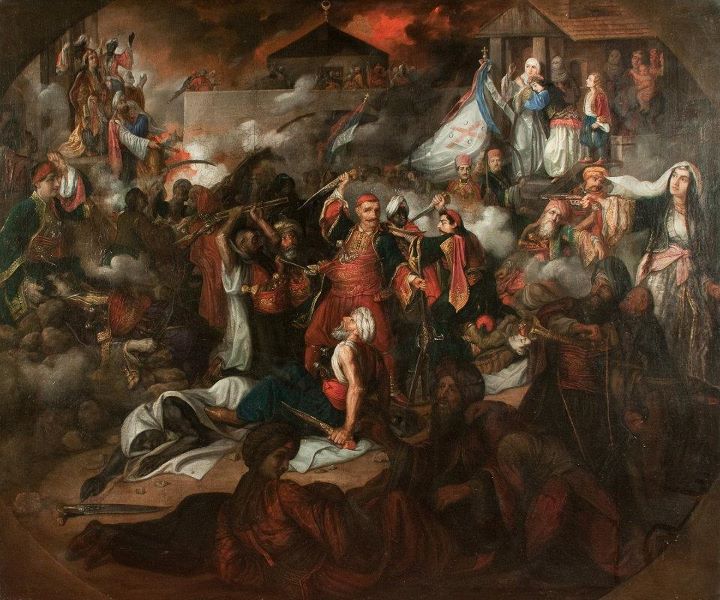
The First Serbian Uprising was an uprising of Serbs in Orašac against the Dahije, and later the Ottoman Empire from 14 February 1804 to 7 October 1813. The uprising began as a local revolt against renegade janissary officers who had seized power in a coup d'état against the Ottoman sultan. It later evolved into a war for independence, known as the Serbian Revolution, after more than three centuries of Ottoman Empire rule and brief Austrian occupations.
In 1801, the Janissary commanders assassinated the Ottoman Pasha and took control of the Pashalik of Belgrade, ruling it independently of the Ottoman Sultan. This led to a period of tyranny, during which the Janissaries suspended the rights previously granted to the Serbs by the Sultan. They also raised taxes, imposed forced labour, and made other changes that negatively affected the Serbs. In 1804, the Janissaries feared that the Sultan would use the Serbs against them, which led to the assassination of many Serbian chiefs. An assembly chose Karađorđe to lead the uprising, and the rebel army quickly defeated and took over towns throughout the sanjak, technically fighting for the Sultan. Sultan Selim III, fearing their power, ordered all the Pashaliks in the region to crush them. The Serbs marched against the Ottomans and, after major victories in 1805–06, established a government and parliament that returned land to the people, abolished forced labour, and reduced taxes.
Serbia's military successes continued over the years, spurred on by the Russian Empire's involvement in the parallel Russo-Turkish War. However, disagreements arose between Karađorđe, who sought an absolute monarchy, and other leaders who wanted to limit his power because some of his colleagues abused their privileges for personal gain. After the Russo-Ottoman War ended in 1812, the Ottoman Empire took advantage of these circumstances and reconquered Serbia in 1813.
Although the uprising was unsuccessful, the Serbs were the first Christian population in Ottoman history to rise up against the Sultan and succeed in creating a short-lived independent state. Their uprising eventually became a symbol of the nation-building process in the Balkans and inspired unrest among neighbouring Balkan peoples. The uprising soon resumed with the Second Serbian Uprising in 1815.
Serbia had been under Ottoman rule since the Battle of Kosovo in 1389. Over the centuries, the Serbs experienced oppression, heavy taxation, and cultural assimilation under the Ottoman Empire. By the 18th century, the conditions for Serbs living under Ottoman rule had become increasingly harsh. In addition to high taxes, they faced discrimination and the imposition of the Devshirme system, which required Christian families to provide sons for the Ottoman military. The Serbs lived in wide areas in the western Balkans; a high percentage of them, experienced fighters, had fought under their own officers in the Serbian Freicorps of the Austrian army. They came from the Sanjak of Smederevo (also known in historiography as the Pashalik of Belgrade), a border district containing a population of around 368,000 prior to 1804.
Belgrade, which was the seat of the eponymous pashalik became the second largest Ottoman city in Europe, with over 100,000 inhabitants, surpassed only by Constantinople. During the Austro-Turkish War of 1788, the eastern Šumadija region was occupied by the Austrian-Serbian Free Corps and Hajduks, which led to the occupation of most of the Sanjak of Smederevo by the Habsburg Monarchy (1788–1791). From 15 September to 8 October 1789, an Austrian force besieged the fortress of Belgrade. The Austrians held the city until 1791, when they returned it to the Ottomans under the terms of the Treaty of Sistova. The withdrawal was a disappointment for the Serbs, according to historian Theodor N. Trâpcea.
After the return of the sanjak to the Ottoman Empire, the Serbs expected reprisals from the Turks for their support of the Austrians. Sultan Selim III had entrusted the sanjaks of Smederevo and Belgrade to battle-hardened Janissaries who had fought against Christian forces during the Austro-Turkish War and other conflicts. Although Selim granted authority to the peaceful Hadži Mustafa Pasha in 1793, tensions between the Serbs and the Janissary command did not subside. In 1793 and 1796, Selim issued firmans that gave the Serbs more rights. These included the collection of taxes by the obor-knez (dukes), freedom of trade and religion, and the establishment of peace. Selim also ordered the removal of some unpopular Janissaries from the Belgrade Pashalik, as he saw them as a threat to the central authority of Hadži Mustafa Pasha. Many of the Janissaries were employed by or took refuge with Osman Pazvantoğlu, a renegade opponent of Selim in the Sanjak of Vidin. Pazvantoğlu launched a series of raids against the Serbs without the Sultan's permission, causing much instability and fear in the region. In 1793, the Serbs defeated Pazvantoğlu at the Battle of Kolari. In the summer of 1797, Mustafa Pasha was appointed by the Sultan as the beglerbeg of Rumelia Eyalet. He left Serbia for Plovdiv to fight against the Vidin rebels of Pazvantoğlu. During Mustafa Pasha's absence, Pazvantoğlu's troops captured Požarevac and besieged the Belgrade Fortress. In November 1797, the Obor knez Aleksa Nenadović, Ilija Birčanin and Nikola Grbović arrived in Belgrade with their troops. They successfully forced the besieging Janissary troops to retreat to Smederevo.
On 30 January 1799, Selim III allowed the Janissaries to return, calling them local Muslims from the Sanjak of Smederevo. At first, the Janissaries accepted the authority of Hadži Mustafa Pasha. However, in Šabac, a Janissary named Bego Novljanin demanded a surcharge from a Serb and murdered him when he refused to pay. Fearing the worst, Hadži Mustafa Pasha marched to Šabac with a force of 600 men to ensure that the Janissary was brought to justice and that order was restored. The Janissaries not only decided to support Bego Novljanin, but Pazvantoğlu also attacked the Belgrade Pashalik in support of the Janissaries.
Hub AI
First Serbian Uprising AI simulator
(@First Serbian Uprising_simulator)
First Serbian Uprising
The First Serbian Uprising was an uprising of Serbs in Orašac against the Dahije, and later the Ottoman Empire from 14 February 1804 to 7 October 1813. The uprising began as a local revolt against renegade janissary officers who had seized power in a coup d'état against the Ottoman sultan. It later evolved into a war for independence, known as the Serbian Revolution, after more than three centuries of Ottoman Empire rule and brief Austrian occupations.
In 1801, the Janissary commanders assassinated the Ottoman Pasha and took control of the Pashalik of Belgrade, ruling it independently of the Ottoman Sultan. This led to a period of tyranny, during which the Janissaries suspended the rights previously granted to the Serbs by the Sultan. They also raised taxes, imposed forced labour, and made other changes that negatively affected the Serbs. In 1804, the Janissaries feared that the Sultan would use the Serbs against them, which led to the assassination of many Serbian chiefs. An assembly chose Karađorđe to lead the uprising, and the rebel army quickly defeated and took over towns throughout the sanjak, technically fighting for the Sultan. Sultan Selim III, fearing their power, ordered all the Pashaliks in the region to crush them. The Serbs marched against the Ottomans and, after major victories in 1805–06, established a government and parliament that returned land to the people, abolished forced labour, and reduced taxes.
Serbia's military successes continued over the years, spurred on by the Russian Empire's involvement in the parallel Russo-Turkish War. However, disagreements arose between Karađorđe, who sought an absolute monarchy, and other leaders who wanted to limit his power because some of his colleagues abused their privileges for personal gain. After the Russo-Ottoman War ended in 1812, the Ottoman Empire took advantage of these circumstances and reconquered Serbia in 1813.
Although the uprising was unsuccessful, the Serbs were the first Christian population in Ottoman history to rise up against the Sultan and succeed in creating a short-lived independent state. Their uprising eventually became a symbol of the nation-building process in the Balkans and inspired unrest among neighbouring Balkan peoples. The uprising soon resumed with the Second Serbian Uprising in 1815.
Serbia had been under Ottoman rule since the Battle of Kosovo in 1389. Over the centuries, the Serbs experienced oppression, heavy taxation, and cultural assimilation under the Ottoman Empire. By the 18th century, the conditions for Serbs living under Ottoman rule had become increasingly harsh. In addition to high taxes, they faced discrimination and the imposition of the Devshirme system, which required Christian families to provide sons for the Ottoman military. The Serbs lived in wide areas in the western Balkans; a high percentage of them, experienced fighters, had fought under their own officers in the Serbian Freicorps of the Austrian army. They came from the Sanjak of Smederevo (also known in historiography as the Pashalik of Belgrade), a border district containing a population of around 368,000 prior to 1804.
Belgrade, which was the seat of the eponymous pashalik became the second largest Ottoman city in Europe, with over 100,000 inhabitants, surpassed only by Constantinople. During the Austro-Turkish War of 1788, the eastern Šumadija region was occupied by the Austrian-Serbian Free Corps and Hajduks, which led to the occupation of most of the Sanjak of Smederevo by the Habsburg Monarchy (1788–1791). From 15 September to 8 October 1789, an Austrian force besieged the fortress of Belgrade. The Austrians held the city until 1791, when they returned it to the Ottomans under the terms of the Treaty of Sistova. The withdrawal was a disappointment for the Serbs, according to historian Theodor N. Trâpcea.
After the return of the sanjak to the Ottoman Empire, the Serbs expected reprisals from the Turks for their support of the Austrians. Sultan Selim III had entrusted the sanjaks of Smederevo and Belgrade to battle-hardened Janissaries who had fought against Christian forces during the Austro-Turkish War and other conflicts. Although Selim granted authority to the peaceful Hadži Mustafa Pasha in 1793, tensions between the Serbs and the Janissary command did not subside. In 1793 and 1796, Selim issued firmans that gave the Serbs more rights. These included the collection of taxes by the obor-knez (dukes), freedom of trade and religion, and the establishment of peace. Selim also ordered the removal of some unpopular Janissaries from the Belgrade Pashalik, as he saw them as a threat to the central authority of Hadži Mustafa Pasha. Many of the Janissaries were employed by or took refuge with Osman Pazvantoğlu, a renegade opponent of Selim in the Sanjak of Vidin. Pazvantoğlu launched a series of raids against the Serbs without the Sultan's permission, causing much instability and fear in the region. In 1793, the Serbs defeated Pazvantoğlu at the Battle of Kolari. In the summer of 1797, Mustafa Pasha was appointed by the Sultan as the beglerbeg of Rumelia Eyalet. He left Serbia for Plovdiv to fight against the Vidin rebels of Pazvantoğlu. During Mustafa Pasha's absence, Pazvantoğlu's troops captured Požarevac and besieged the Belgrade Fortress. In November 1797, the Obor knez Aleksa Nenadović, Ilija Birčanin and Nikola Grbović arrived in Belgrade with their troops. They successfully forced the besieging Janissary troops to retreat to Smederevo.
On 30 January 1799, Selim III allowed the Janissaries to return, calling them local Muslims from the Sanjak of Smederevo. At first, the Janissaries accepted the authority of Hadži Mustafa Pasha. However, in Šabac, a Janissary named Bego Novljanin demanded a surcharge from a Serb and murdered him when he refused to pay. Fearing the worst, Hadži Mustafa Pasha marched to Šabac with a force of 600 men to ensure that the Janissary was brought to justice and that order was restored. The Janissaries not only decided to support Bego Novljanin, but Pazvantoğlu also attacked the Belgrade Pashalik in support of the Janissaries.