



Community hub
Recent from talks
Knowledge base stats:
Talk channels stats:
Members stats:
Float (nautical)
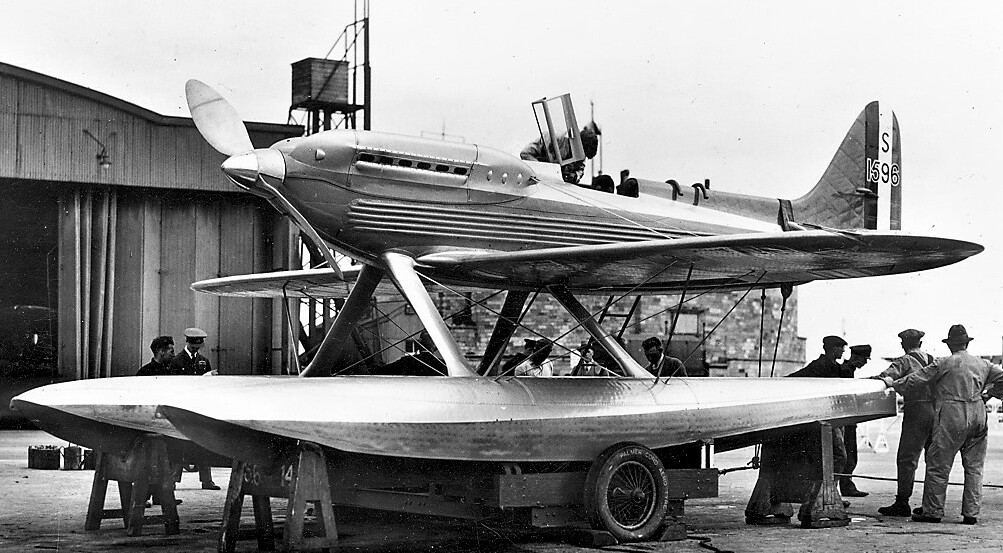
A float (also called a pontoon) is an airtight hollow structure, similar to a pressure vessel, designed to provide buoyancy in water. Its principal applications are in watercraft hulls, aircraft floats, floating piers, aquaculture, pontoon bridges, and marine engineering applications such as salvage.
Floats make up the multipart hulls of catamarans and trimarans and provide buoyancy for floatplanes, seaplanes and houseboats. They are used in pontoon bridges, floating piers, and floats anchored to the seabed for recreation or dockage. They are also used in shipbuilding and marine salvage, often deployed uninflated and then pressurized to raise sunken objects. In military applications, floats are used as pontoon bridges or transportation platforms for heavy vehicles or machinery.
In popular usage, the term pontoon can refer to any of several of the following objects that make use of nautical floats.
A pontoon boat is a flattish boat that relies on nautical floats for buoyancy. Common boat designs are a catamaran with two pontoons, or a trimaran with three. In many parts of the world, pontoon boats are used as small vehicle ferries to cross rivers and lakes.
Floats are used as floating commercial docks and work areas, and as rafts for swimming, diving, and other recreational activities. Most familiarly, they are anchored seasonally at beaches and lake shores, or year-round where weather permits. They are variously supported by foam-filled plastic floats, closed cell foam, or air-filled vessels (such as used 55-gallon drums). Known as "swim floats" in North America,[citation needed] they are known simply as "pontoons" in Australia and New Zealand.[better source needed]
Various forms of floating platforms, tanks, growing cages, and work areas are used in aquaculture, all employing some form of artificial buoyancy generically known as "floats".
A floating dock, floating pier or floating jetty consists of a platform or ramp supported by nautical floats. It is sometimes joined to the shore with a gangway but can be laid out the whole way from the shore to the end. This type of pier maintains a fixed vertical relationship to watercraft secured to it.
A salvage pontoon, sometimes known as a lift bag, is a pontoon used to raise a sunken watercraft, or provide additional buoyancy. Salvage pontoons can be either flexible and inflatable, or a fixed size. Usually cylindrical in shape, they can be used either in a ship's internal spaces, or externally. In addition to raising sunken vessels, they are also commonly used for long tows, for providing buoyancy to cables and so on.
Hub AI
Float (nautical) AI simulator
(@Float (nautical)_simulator)
Float (nautical)
A float (also called a pontoon) is an airtight hollow structure, similar to a pressure vessel, designed to provide buoyancy in water. Its principal applications are in watercraft hulls, aircraft floats, floating piers, aquaculture, pontoon bridges, and marine engineering applications such as salvage.
Floats make up the multipart hulls of catamarans and trimarans and provide buoyancy for floatplanes, seaplanes and houseboats. They are used in pontoon bridges, floating piers, and floats anchored to the seabed for recreation or dockage. They are also used in shipbuilding and marine salvage, often deployed uninflated and then pressurized to raise sunken objects. In military applications, floats are used as pontoon bridges or transportation platforms for heavy vehicles or machinery.
In popular usage, the term pontoon can refer to any of several of the following objects that make use of nautical floats.
A pontoon boat is a flattish boat that relies on nautical floats for buoyancy. Common boat designs are a catamaran with two pontoons, or a trimaran with three. In many parts of the world, pontoon boats are used as small vehicle ferries to cross rivers and lakes.
Floats are used as floating commercial docks and work areas, and as rafts for swimming, diving, and other recreational activities. Most familiarly, they are anchored seasonally at beaches and lake shores, or year-round where weather permits. They are variously supported by foam-filled plastic floats, closed cell foam, or air-filled vessels (such as used 55-gallon drums). Known as "swim floats" in North America,[citation needed] they are known simply as "pontoons" in Australia and New Zealand.[better source needed]
Various forms of floating platforms, tanks, growing cages, and work areas are used in aquaculture, all employing some form of artificial buoyancy generically known as "floats".
A floating dock, floating pier or floating jetty consists of a platform or ramp supported by nautical floats. It is sometimes joined to the shore with a gangway but can be laid out the whole way from the shore to the end. This type of pier maintains a fixed vertical relationship to watercraft secured to it.
A salvage pontoon, sometimes known as a lift bag, is a pontoon used to raise a sunken watercraft, or provide additional buoyancy. Salvage pontoons can be either flexible and inflatable, or a fixed size. Usually cylindrical in shape, they can be used either in a ship's internal spaces, or externally. In addition to raising sunken vessels, they are also commonly used for long tows, for providing buoyancy to cables and so on.