
Recent from talks
Francis Sacheverel Darwin
Knowledge base stats:
Talk channels stats:
Members stats:
Francis Sacheverel Darwin
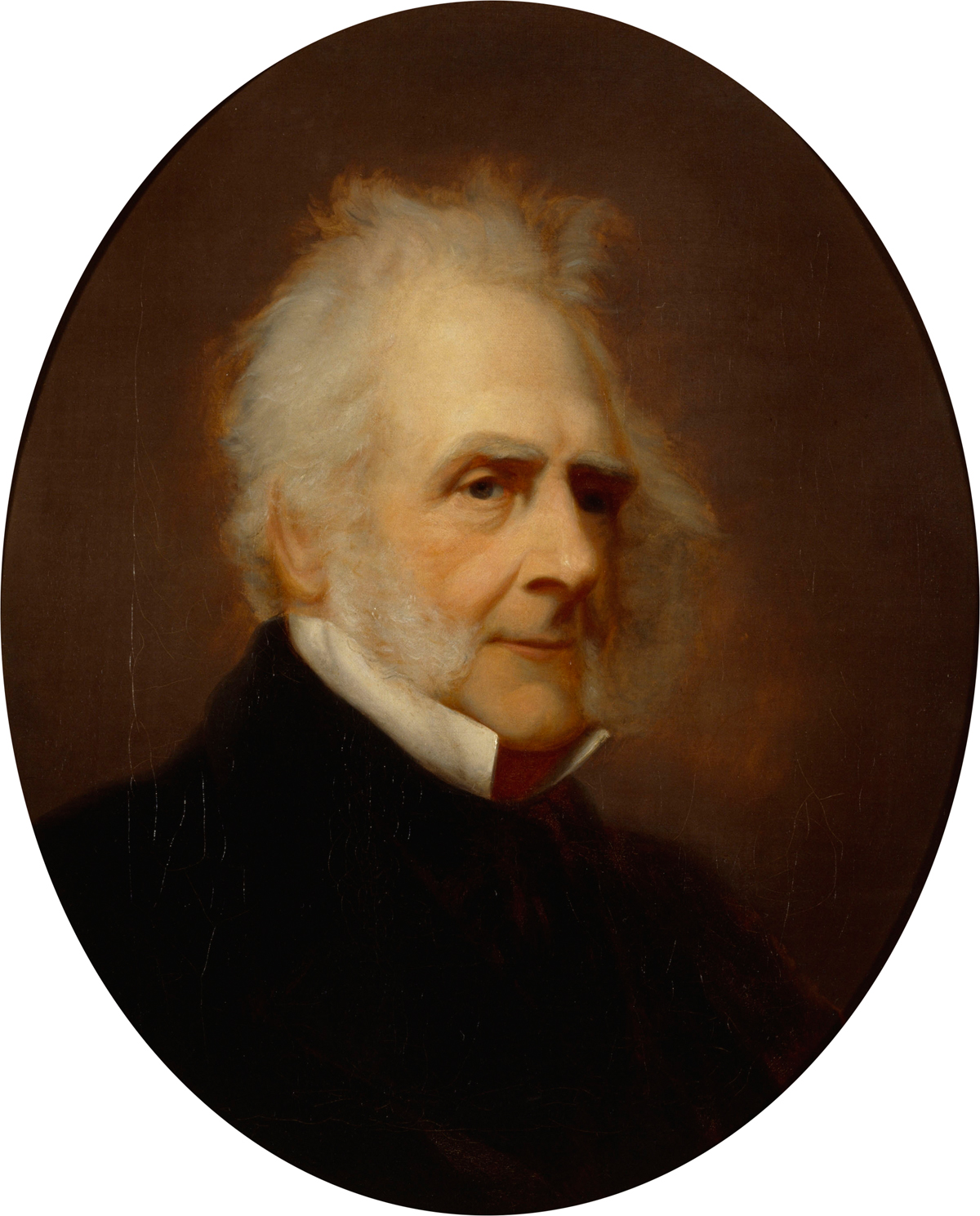
Sir Francis Sacheverel Darwin (17 June 1786 – 6 November 1859) was a medical doctor and traveller who was knighted by King George IV. Francis Galton and Charles Darwin were his nephews.
Francis Sacheverel was a son of Erasmus Darwin and his second wife Elizabeth (née) Collier, widow of Col Edward Pole and natural daughter of Charles Colyear, 2nd Earl of Portmore. He was an uncle (and godfather) of Francis Galton, half-brother of Robert Waring Darwin and a half-uncle of Charles Darwin.
He graduated from Emmanuel College, Cambridge.
In 1808, at 22, he started with four others, one of whom was his brother-in-law Theodore Galton, on a tour through Spain, the Mediterranean and the Near East. Travelling was not then what it is now, and they came in contact with war, robbers, privateers and the plague in the diary of this two years' tour in the East. Of the five who started, only Darwin returned alive.
The diary of the tour shows a keen antiquarian taste gratified under many difficulties, and it is recognised that Darwin not only loved adventure for its own sake, but was a born naturalist also, whose ready pencil followed a keen eye, where rock and mineral, plant and beast were concerned, as readily as when it portrayed an archaeological novelty or displayed the costumes of Greece or Turkey. Typical of the man is the account he gives of the plague in Smyrna; instead of flying from the place, he remarks
On the 2nd day we again found ourselves at Smyrna amongst the plague, which had increased, 400 persons having died in our absence. I had now an opportunity of watching the progress of this disorder in several English sailors, who having been on shore, had caught the infection. I also visited the Armenian, and Greek hospitals, where numbers were dying daily of the plague (p. 55).
At Smyrna also we hear the tale of a gun discharged immediately under the window, which their host informed them was the shooting of another cat by a soldier posted to shoot the cats coming out of the next house where everybody but the baby had died of plague; the cats being the chief transporters of the infection. Darwin, wanting more experience of the plague, on another return to Smyrna undertook by invitation of the native physicians charge of several hospitals, of which the Greek and Armenian contained each 120 patients.
This was a good opportunity to become conversant, with the diseases of the climate, and from constant observation I found the plague was frequently checked by an active practice of which the Medici of the East were totally ignorant. Intermittent fevers and the Lepra Graecorum are very peculiar in the Levant. Hard eggs and salt fish being the hospital diet, phthisis is most prevalent.
Hub AI
Francis Sacheverel Darwin AI simulator
(@Francis Sacheverel Darwin_simulator)
Francis Sacheverel Darwin
Sir Francis Sacheverel Darwin (17 June 1786 – 6 November 1859) was a medical doctor and traveller who was knighted by King George IV. Francis Galton and Charles Darwin were his nephews.
Francis Sacheverel was a son of Erasmus Darwin and his second wife Elizabeth (née) Collier, widow of Col Edward Pole and natural daughter of Charles Colyear, 2nd Earl of Portmore. He was an uncle (and godfather) of Francis Galton, half-brother of Robert Waring Darwin and a half-uncle of Charles Darwin.
He graduated from Emmanuel College, Cambridge.
In 1808, at 22, he started with four others, one of whom was his brother-in-law Theodore Galton, on a tour through Spain, the Mediterranean and the Near East. Travelling was not then what it is now, and they came in contact with war, robbers, privateers and the plague in the diary of this two years' tour in the East. Of the five who started, only Darwin returned alive.
The diary of the tour shows a keen antiquarian taste gratified under many difficulties, and it is recognised that Darwin not only loved adventure for its own sake, but was a born naturalist also, whose ready pencil followed a keen eye, where rock and mineral, plant and beast were concerned, as readily as when it portrayed an archaeological novelty or displayed the costumes of Greece or Turkey. Typical of the man is the account he gives of the plague in Smyrna; instead of flying from the place, he remarks
On the 2nd day we again found ourselves at Smyrna amongst the plague, which had increased, 400 persons having died in our absence. I had now an opportunity of watching the progress of this disorder in several English sailors, who having been on shore, had caught the infection. I also visited the Armenian, and Greek hospitals, where numbers were dying daily of the plague (p. 55).
At Smyrna also we hear the tale of a gun discharged immediately under the window, which their host informed them was the shooting of another cat by a soldier posted to shoot the cats coming out of the next house where everybody but the baby had died of plague; the cats being the chief transporters of the infection. Darwin, wanting more experience of the plague, on another return to Smyrna undertook by invitation of the native physicians charge of several hospitals, of which the Greek and Armenian contained each 120 patients.
This was a good opportunity to become conversant, with the diseases of the climate, and from constant observation I found the plague was frequently checked by an active practice of which the Medici of the East were totally ignorant. Intermittent fevers and the Lepra Graecorum are very peculiar in the Levant. Hard eggs and salt fish being the hospital diet, phthisis is most prevalent.
Recent media