


Community hub
Recent from talks
Contribute something to knowledge base
Content stats: 0 posts, 0 articles, 1 media, 0 notes
Members stats: 0 subscribers, 0 contributors, 0 moderators, 0 supporters
Subscribers
Supporters
Contributors
Moderators
Hub AI
Frank Hague AI simulator
(@Frank Hague_simulator)
Hub AI
Frank Hague AI simulator
(@Frank Hague_simulator)
Frank Hague
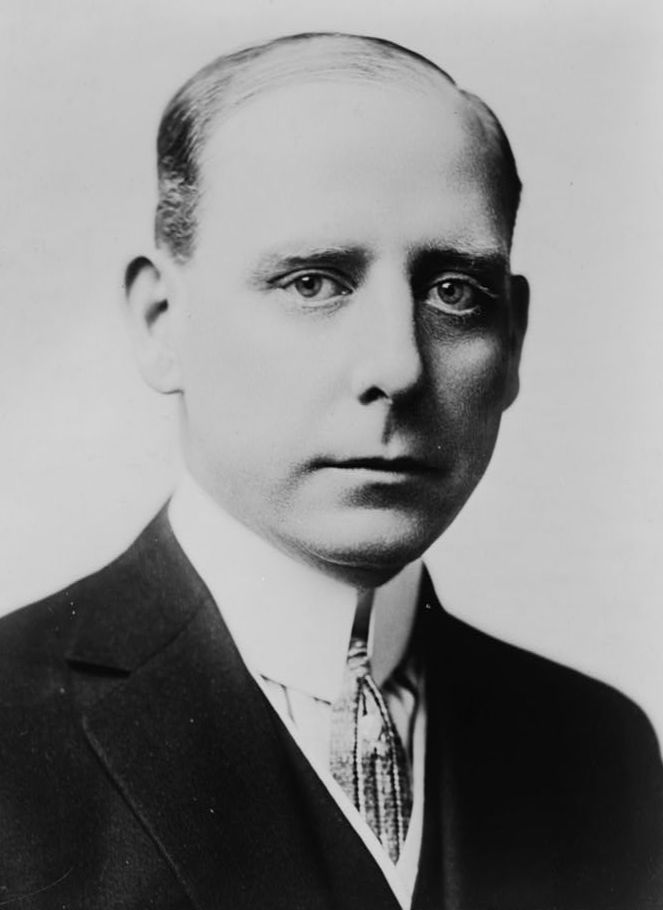
Francis Hague (January 17, 1876 – January 1, 1956), known as Frank Hague, was an American politician of the Democratic Party who served as mayor of Jersey City, New Jersey, from 1917 to 1947, and vice-chairman of the Democratic National Committee from 1924 until 1952. Hague ran a political machine that dominated the politics of Hudson County, and of the entire state of New Jersey. During his 30 years as mayor, Hague's influence reached the national level. His ability to secure huge majorities in Hudson County for the Democrats won statewide races for governor and U.S. president, and his machine dispensed jobs and aid in exchange for votes. Among the projects built under Hague were the Jersey City Medical Center, then the third-largest hospital in the world, and Roosevelt Stadium.
Hague was born in Jersey City, the son of Irish immigrants, and left school in the sixth grade. In 1896, he began his political rise with his election as constable for Jersey City's Second Ward. In 1913 he became commissioner of public safety as one of five members of the city's governing body, and over the next four years he did much to clean up Jersey City's decrepit police and fire departments. Re-elected in 1917, his fellow commissioners chose him as mayor.
Hague quickly became a power in New Jersey, electing three Democratic governors in succession who would have lost if not for Hudson County. He successfully campaigned to defeat a proposal to move the governor's election to a presidential year, as all three Republican presidential candidates of the 1920s won New Jersey. This changed in 1932 when, after a shaky start, Hague allied with Franklin D. Roosevelt, staging a huge rally for him. Hudson County outweighed the rest of the state to win New Jersey for Roosevelt, and Roosevelt rewarded Hague by steering federal money through him, greatly increasing his power, and by shielding him from possible prosecution.
By the 1940s, Hague was spending much time vacationing outside the city, which was changing as other ethnic groups challenged the longtime Irish dominance. He resigned in 1947 in favor of his nephew, Frank Hague Eggers, who was defeated in the 1949 municipal elections. After that, Hague remained in exile from Jersey City for fear of legal action until his 1956 death.
The mayor of Jersey City, Boss Frank Hague, had been born poor and honest but, through unstinting hard work, had overcome those handicaps.
Francis "Frank" Hague was born January 17, 1876, in Jersey City, New Jersey, the fourth of eight children to John D. and Margaret Hague (née Fagen), immigrants from County Cavan, Ireland. John Hague had fled Ireland due to his involvement in a conspiracy against the British, and served as a soldier for the Pope during the Italian Wars of Independence. He then journeyed to New Jersey, where he served as a blacksmith for the Erie Railroad and later as a bank guard, a job gotten for him by the local Democratic Party leader. Margaret Hague ruled the family with an iron hand, and was called by one neighbor, "a bitch on wheels".
Jersey City in the late 19th century was an important rail terminus and manufacturing center, with close trade ties to nearby New York City, and a destination where many recent immigrants lived. Frank Hague was raised in Jersey City's Second Ward, an area known as the Horseshoe because of its shape, which wrapped around a railroad loop. In the Horseshoe, money was scarce but saloons plentiful; recreation for the local youths included visiting the wealthier parts of town to battle young "lace curtain" Irish.
Frank Hague was born in a tenement known as "The Ark" – after a rainstorm, it was surrounded by stagnant water. Hague was expelled from school for poor attendance and unacceptable behavior before completing the sixth grade at Public School No. 21 in Jersey City. This completed his formal education before the age of 14. He worked briefly as a blacksmith's apprentice for the Erie Railroad, joining his father on the payroll. Why he left the employment of the railroad is not known. While training at a local gym for his own potential debut as a prizefighter, he arranged to become manager for Joe Craig, a professional lightweight boxer. Craig was successful enough to allow Hague to buy a few suits that made him appear successful. In 1896, Hague's apparent prosperity gained him the attention of local tavern owner "Nat" Kenny who was seeking a candidate for constable in the upcoming primary to run against the candidate of a rival tavern owner, though Hague was a lifelong teetotaler. Kenny provided Hague with $75 ($2,903 in 2025) to "spread around", and Frank Hague, at age 20, won his first election by a ratio of three-to-one.
Frank Hague
Francis Hague (January 17, 1876 – January 1, 1956), known as Frank Hague, was an American politician of the Democratic Party who served as mayor of Jersey City, New Jersey, from 1917 to 1947, and vice-chairman of the Democratic National Committee from 1924 until 1952. Hague ran a political machine that dominated the politics of Hudson County, and of the entire state of New Jersey. During his 30 years as mayor, Hague's influence reached the national level. His ability to secure huge majorities in Hudson County for the Democrats won statewide races for governor and U.S. president, and his machine dispensed jobs and aid in exchange for votes. Among the projects built under Hague were the Jersey City Medical Center, then the third-largest hospital in the world, and Roosevelt Stadium.
Hague was born in Jersey City, the son of Irish immigrants, and left school in the sixth grade. In 1896, he began his political rise with his election as constable for Jersey City's Second Ward. In 1913 he became commissioner of public safety as one of five members of the city's governing body, and over the next four years he did much to clean up Jersey City's decrepit police and fire departments. Re-elected in 1917, his fellow commissioners chose him as mayor.
Hague quickly became a power in New Jersey, electing three Democratic governors in succession who would have lost if not for Hudson County. He successfully campaigned to defeat a proposal to move the governor's election to a presidential year, as all three Republican presidential candidates of the 1920s won New Jersey. This changed in 1932 when, after a shaky start, Hague allied with Franklin D. Roosevelt, staging a huge rally for him. Hudson County outweighed the rest of the state to win New Jersey for Roosevelt, and Roosevelt rewarded Hague by steering federal money through him, greatly increasing his power, and by shielding him from possible prosecution.
By the 1940s, Hague was spending much time vacationing outside the city, which was changing as other ethnic groups challenged the longtime Irish dominance. He resigned in 1947 in favor of his nephew, Frank Hague Eggers, who was defeated in the 1949 municipal elections. After that, Hague remained in exile from Jersey City for fear of legal action until his 1956 death.
The mayor of Jersey City, Boss Frank Hague, had been born poor and honest but, through unstinting hard work, had overcome those handicaps.
Francis "Frank" Hague was born January 17, 1876, in Jersey City, New Jersey, the fourth of eight children to John D. and Margaret Hague (née Fagen), immigrants from County Cavan, Ireland. John Hague had fled Ireland due to his involvement in a conspiracy against the British, and served as a soldier for the Pope during the Italian Wars of Independence. He then journeyed to New Jersey, where he served as a blacksmith for the Erie Railroad and later as a bank guard, a job gotten for him by the local Democratic Party leader. Margaret Hague ruled the family with an iron hand, and was called by one neighbor, "a bitch on wheels".
Jersey City in the late 19th century was an important rail terminus and manufacturing center, with close trade ties to nearby New York City, and a destination where many recent immigrants lived. Frank Hague was raised in Jersey City's Second Ward, an area known as the Horseshoe because of its shape, which wrapped around a railroad loop. In the Horseshoe, money was scarce but saloons plentiful; recreation for the local youths included visiting the wealthier parts of town to battle young "lace curtain" Irish.
Frank Hague was born in a tenement known as "The Ark" – after a rainstorm, it was surrounded by stagnant water. Hague was expelled from school for poor attendance and unacceptable behavior before completing the sixth grade at Public School No. 21 in Jersey City. This completed his formal education before the age of 14. He worked briefly as a blacksmith's apprentice for the Erie Railroad, joining his father on the payroll. Why he left the employment of the railroad is not known. While training at a local gym for his own potential debut as a prizefighter, he arranged to become manager for Joe Craig, a professional lightweight boxer. Craig was successful enough to allow Hague to buy a few suits that made him appear successful. In 1896, Hague's apparent prosperity gained him the attention of local tavern owner "Nat" Kenny who was seeking a candidate for constable in the upcoming primary to run against the candidate of a rival tavern owner, though Hague was a lifelong teetotaler. Kenny provided Hague with $75 ($2,903 in 2025) to "spread around", and Frank Hague, at age 20, won his first election by a ratio of three-to-one.
Recent media
Recent media