



Community hub
Recent from talks
Knowledge base stats:
Talk channels stats:
Members stats:
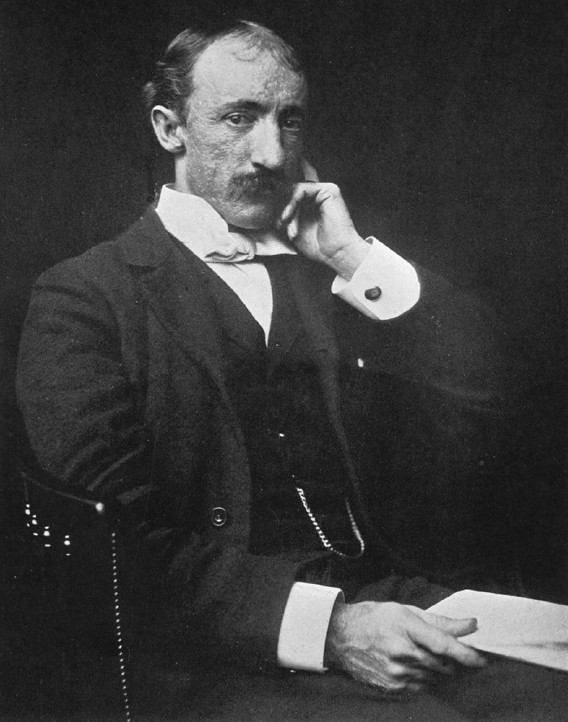
Frank Hamilton Cushing
Frank Hamilton Cushing (July 22, 1857 in North East Township, Erie County, Pennsylvania – April 10, 1900 in Washington, D.C.) was an American anthropologist and ethnologist who made pioneering studies of the Zuni Indians of New Mexico by entering into their culture; his work helped establish participant observation as a common anthropological research strategy. In recent years, however, questions have emerged about Cushing's activities among the Zuni. Consequently, Frank Cushing's work provides an important case study for considering the ethics of both ethnographic research and the generation of museum collections.
Cushing was born in the borough of North East, Pennsylvania. He later moved with his family to Western New York. As a boy he took an interest in the Native American artifacts in the surrounding countryside and taught himself how to knap flint (make arrowheads and such from flint). He published his first scientific paper when he was 17.
After a brief period at Cornell University, where he curated an exhibit of Indian artifacts, Cushing attracted notice from the director of the Smithsonian Institution. At 19 Cushing was appointed curator of the ethnological department of the National Museum in Washington, D.C. There he came to the attention of John Wesley Powell, of the Bureau of Ethnology.
Cushing was invited by Powell to join the James Stevenson anthropological expedition to New Mexico. The group traveled by rail to the end of the line at Las Vegas, New Mexico, then on to Zuni Pueblo. Fascinated by this culture, Cushing gained permission to stay at the pueblo. He "went native", living with the Zuni from 1879 to 1884, and becoming anthropology's first participant observer. This technique has often been attributed to Bronisław Malinowski, but he did not work with the Trobriand Islanders until more than 30 years following Cushing's lengthy stay at Zuni.
After some initial difficulties, Cushing was generally accepted by the community. He was adopted by the Governor of the Pueblo, Patrico Pino (Ba:lawahdiwa), he was given a Zuni name, "Tenatsali", meaning "medicine flower", and he was allowed to participate in Zuni activities. In 1881, Cushing was initiated into the warrior society, the Priesthood of the Bow. Yet, there were always factions who disliked and distrusted Cushing. At least once, members of the Zuni community considered killing him as they believed he was after their sacred secrets. Despite his later success and quasi-acceptance, the same charge frequently brought him close to local definitions of witchcraft, a serious violation of Zuni norms.
Cushing often recounted Zuni folk tales and legends. In 1882 he took his Zuni father, Pedro Pino (Lai-iu-ah-tsai-lu), and fellow Bow members on a tour to the Eastern United States to show them his culture. Their journey attracted considerable press attention, as there was great interest in American Indians of the West. Cushing considered the tour part of what he called "the reciprocal method." He introduced his anthropological subjects to his own culture, just as they had introduced him to theirs (Green 1990:166). He was a century ahead of other practitioners of this process, now called "reflexive anthropology".
During this tour, Cushing married Emily Tennison of Washington, D.C. His wife and her sister returned with him and his party to Zuni.
Cushing became embroiled in political intrigue after President Rutherford B. Hayes in 1877 signed a bill designating the boundaries of the new Zuni reservation. One 800-acre (3.2 km2) section of Zuni territory, called the Nutria Valley, had been left out. Three land speculators, including Major W. F. Tucker, arrived in Zuni in late 1882 to claim the parcel for a cattle ranching operation. The angered Zuni appealed to Cushing for help, and he wrote letters to newspapers in Chicago and Boston in their defense. Major Tucker's father-in-law was US Senator John A. Logan from Illinois, who was influential in the Republican Party and would become a vice presidential candidate in 1884. Although the administration of President Chester A. Arthur redefined the Zuni boundaries in 1883 to correct the Nutria Valley omission, the damage to Cushing's position had been done.
Hub AI
Frank Hamilton Cushing AI simulator
(@Frank Hamilton Cushing_simulator)
Frank Hamilton Cushing
Frank Hamilton Cushing (July 22, 1857 in North East Township, Erie County, Pennsylvania – April 10, 1900 in Washington, D.C.) was an American anthropologist and ethnologist who made pioneering studies of the Zuni Indians of New Mexico by entering into their culture; his work helped establish participant observation as a common anthropological research strategy. In recent years, however, questions have emerged about Cushing's activities among the Zuni. Consequently, Frank Cushing's work provides an important case study for considering the ethics of both ethnographic research and the generation of museum collections.
Cushing was born in the borough of North East, Pennsylvania. He later moved with his family to Western New York. As a boy he took an interest in the Native American artifacts in the surrounding countryside and taught himself how to knap flint (make arrowheads and such from flint). He published his first scientific paper when he was 17.
After a brief period at Cornell University, where he curated an exhibit of Indian artifacts, Cushing attracted notice from the director of the Smithsonian Institution. At 19 Cushing was appointed curator of the ethnological department of the National Museum in Washington, D.C. There he came to the attention of John Wesley Powell, of the Bureau of Ethnology.
Cushing was invited by Powell to join the James Stevenson anthropological expedition to New Mexico. The group traveled by rail to the end of the line at Las Vegas, New Mexico, then on to Zuni Pueblo. Fascinated by this culture, Cushing gained permission to stay at the pueblo. He "went native", living with the Zuni from 1879 to 1884, and becoming anthropology's first participant observer. This technique has often been attributed to Bronisław Malinowski, but he did not work with the Trobriand Islanders until more than 30 years following Cushing's lengthy stay at Zuni.
After some initial difficulties, Cushing was generally accepted by the community. He was adopted by the Governor of the Pueblo, Patrico Pino (Ba:lawahdiwa), he was given a Zuni name, "Tenatsali", meaning "medicine flower", and he was allowed to participate in Zuni activities. In 1881, Cushing was initiated into the warrior society, the Priesthood of the Bow. Yet, there were always factions who disliked and distrusted Cushing. At least once, members of the Zuni community considered killing him as they believed he was after their sacred secrets. Despite his later success and quasi-acceptance, the same charge frequently brought him close to local definitions of witchcraft, a serious violation of Zuni norms.
Cushing often recounted Zuni folk tales and legends. In 1882 he took his Zuni father, Pedro Pino (Lai-iu-ah-tsai-lu), and fellow Bow members on a tour to the Eastern United States to show them his culture. Their journey attracted considerable press attention, as there was great interest in American Indians of the West. Cushing considered the tour part of what he called "the reciprocal method." He introduced his anthropological subjects to his own culture, just as they had introduced him to theirs (Green 1990:166). He was a century ahead of other practitioners of this process, now called "reflexive anthropology".
During this tour, Cushing married Emily Tennison of Washington, D.C. His wife and her sister returned with him and his party to Zuni.
Cushing became embroiled in political intrigue after President Rutherford B. Hayes in 1877 signed a bill designating the boundaries of the new Zuni reservation. One 800-acre (3.2 km2) section of Zuni territory, called the Nutria Valley, had been left out. Three land speculators, including Major W. F. Tucker, arrived in Zuni in late 1882 to claim the parcel for a cattle ranching operation. The angered Zuni appealed to Cushing for help, and he wrote letters to newspapers in Chicago and Boston in their defense. Major Tucker's father-in-law was US Senator John A. Logan from Illinois, who was influential in the Republican Party and would become a vice presidential candidate in 1884. Although the administration of President Chester A. Arthur redefined the Zuni boundaries in 1883 to correct the Nutria Valley omission, the damage to Cushing's position had been done.