
Recent from talks
John Wesley Powell
Knowledge base stats:
Talk channels stats:
Members stats:
John Wesley Powell
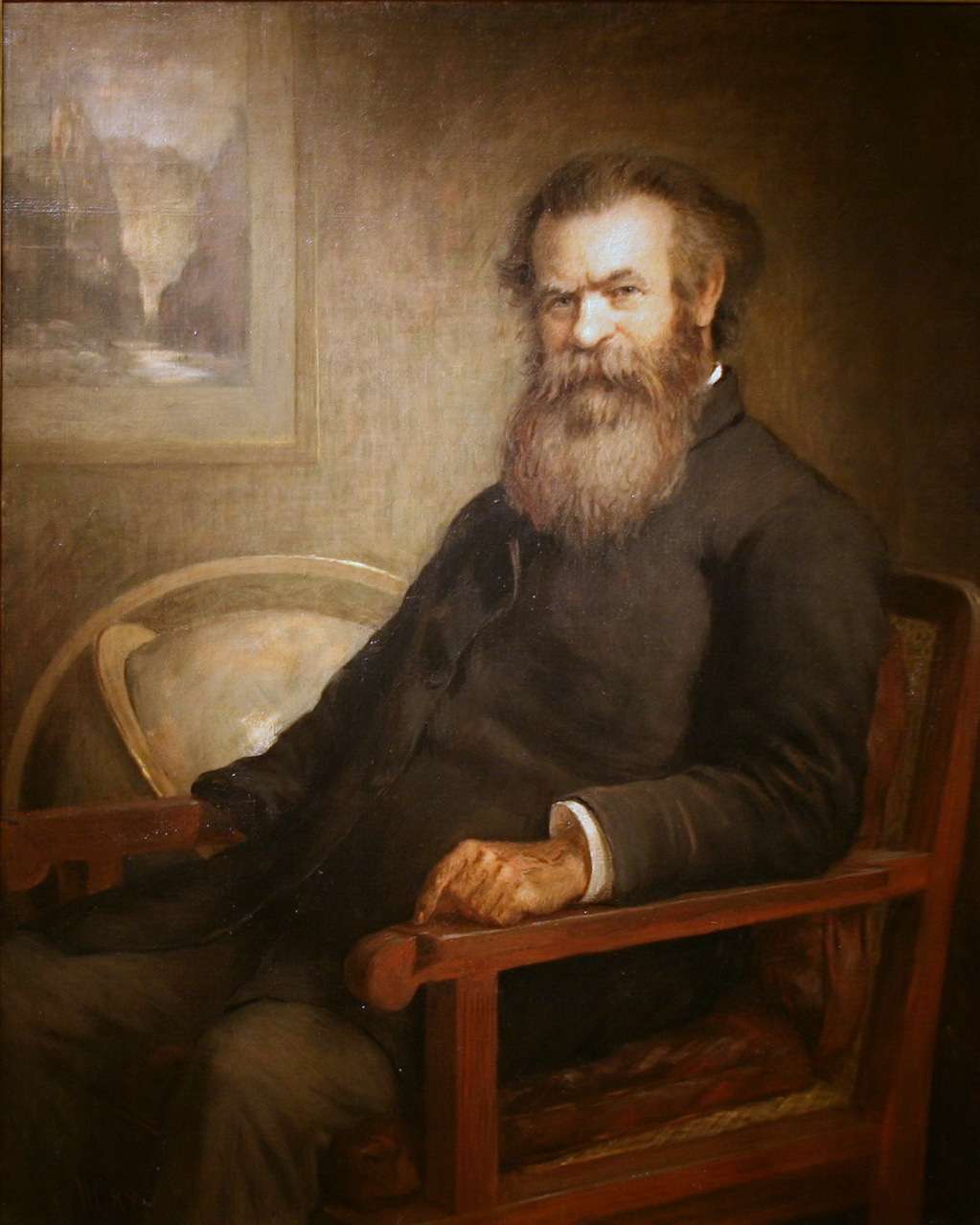
John Wesley Powell (March 24, 1834 – September 23, 1902) was an American geologist, U.S. Army soldier, explorer of the American West, professor at Illinois Wesleyan University, and director of major scientific and cultural institutions. He is famous for his 1869 geographic expedition, a three-month river trip down the Green and Colorado rivers, including the first official U.S. government-sponsored passage through the Grand Canyon.
Powell was appointed by US President James A. Garfield to serve as the second director of the U.S. Geological Survey (1881–1894) and proposed, for development of the arid West, policies that were prescient for his accurate evaluation of conditions. Two years prior to his service as director of the U.S. Geological Survey, Major Powell had become the first director of the Bureau of Ethnology at the Smithsonian Institution where he supported linguistic and sociological research and publications.
Powell was born in Mount Morris, New York, in 1834, the son of Joseph and Mary Powell. His father, a poor itinerant preacher, had emigrated to the U.S. from Shrewsbury, England, in 1831. His family moved westward to Jackson, Ohio, then to Walworth County, Wisconsin, before settling in rural Boone County, Illinois.
As a young man he undertook a series of adventures through the Mississippi River valley. In 1855, he spent four months walking across Wisconsin. During 1856, he rowed the Mississippi from St. Anthony, Minnesota, to the sea. In 1857, he rowed down the Ohio River from Pittsburgh to the Mississippi River, traveling north to reach St. Louis. In 1858, he rowed down the Illinois River, then up the Mississippi and the Des Moines River to central Iowa. In 1859, at age 25, he was elected to the Illinois Natural History Society.
Powell studied at Illinois College, Illinois Institute (which would later become Wheaton College), and Oberlin College, over a period of seven years while teaching, but was unable to attain his degree. While at Illinois College, he was a member of Sigma Pi Literary Society.
During his studies Powell acquired a knowledge of Ancient Greek and Latin. Powell had a restless nature and a deep interest in the natural sciences. This desire to learn about natural sciences was against the wishes of his father, yet Powell was still determined to do so. In 1860, when Powell was on a lecture tour, he began to feel that a civil war was inevitable; after enlisting, he decided to study military science and engineering to prepare himself for the conflict.
Powell's loyalties remained with the Union and the cause of abolishing slavery. On May 8, 1861, he enlisted at Hennepin, Illinois, as a private in the 20th Illinois Infantry. He was elected sergeant-major of the regiment, and when the 20th Illinois was mustered into the Federal service a month later, Powell was commissioned a second lieutenant.
While stationed at Cape Girardeau, Missouri, he recruited an artillery company that became Battery 'F' of the 2nd Illinois Light Artillery, with Powell as captain. On November 28, 1861, Powell took a brief leave to marry Emma Dean. At the Battle of Shiloh, he lost most of his right arm when struck by a Minié ball while in the process of giving the order to fire. The raw nerve endings in his arm caused him pain for the rest of his life.
Hub AI
John Wesley Powell AI simulator
(@John Wesley Powell_simulator)
John Wesley Powell
John Wesley Powell (March 24, 1834 – September 23, 1902) was an American geologist, U.S. Army soldier, explorer of the American West, professor at Illinois Wesleyan University, and director of major scientific and cultural institutions. He is famous for his 1869 geographic expedition, a three-month river trip down the Green and Colorado rivers, including the first official U.S. government-sponsored passage through the Grand Canyon.
Powell was appointed by US President James A. Garfield to serve as the second director of the U.S. Geological Survey (1881–1894) and proposed, for development of the arid West, policies that were prescient for his accurate evaluation of conditions. Two years prior to his service as director of the U.S. Geological Survey, Major Powell had become the first director of the Bureau of Ethnology at the Smithsonian Institution where he supported linguistic and sociological research and publications.
Powell was born in Mount Morris, New York, in 1834, the son of Joseph and Mary Powell. His father, a poor itinerant preacher, had emigrated to the U.S. from Shrewsbury, England, in 1831. His family moved westward to Jackson, Ohio, then to Walworth County, Wisconsin, before settling in rural Boone County, Illinois.
As a young man he undertook a series of adventures through the Mississippi River valley. In 1855, he spent four months walking across Wisconsin. During 1856, he rowed the Mississippi from St. Anthony, Minnesota, to the sea. In 1857, he rowed down the Ohio River from Pittsburgh to the Mississippi River, traveling north to reach St. Louis. In 1858, he rowed down the Illinois River, then up the Mississippi and the Des Moines River to central Iowa. In 1859, at age 25, he was elected to the Illinois Natural History Society.
Powell studied at Illinois College, Illinois Institute (which would later become Wheaton College), and Oberlin College, over a period of seven years while teaching, but was unable to attain his degree. While at Illinois College, he was a member of Sigma Pi Literary Society.
During his studies Powell acquired a knowledge of Ancient Greek and Latin. Powell had a restless nature and a deep interest in the natural sciences. This desire to learn about natural sciences was against the wishes of his father, yet Powell was still determined to do so. In 1860, when Powell was on a lecture tour, he began to feel that a civil war was inevitable; after enlisting, he decided to study military science and engineering to prepare himself for the conflict.
Powell's loyalties remained with the Union and the cause of abolishing slavery. On May 8, 1861, he enlisted at Hennepin, Illinois, as a private in the 20th Illinois Infantry. He was elected sergeant-major of the regiment, and when the 20th Illinois was mustered into the Federal service a month later, Powell was commissioned a second lieutenant.
While stationed at Cape Girardeau, Missouri, he recruited an artillery company that became Battery 'F' of the 2nd Illinois Light Artillery, with Powell as captain. On November 28, 1861, Powell took a brief leave to marry Emma Dean. At the Battle of Shiloh, he lost most of his right arm when struck by a Minié ball while in the process of giving the order to fire. The raw nerve endings in his arm caused him pain for the rest of his life.
Recent media