



Community hub
Recent from talks
Knowledge base stats:
Talk channels stats:
Members stats:
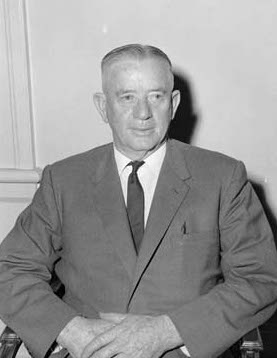
Frank Walsh
Francis Henry Walsh (6 July 1897 – 18 May 1968) was an Australian politician who was the 34th Premier of South Australia from 1965 to 1967, representing the South Australian Branch of the Australian Labor Party.
One of eight children, Walsh was born into an Irish Catholic family in O'Halloran Hill, South Australia. After an education at Christian Brothers College, Walsh left school at fifteen to work as a stonemason, which sparked his interest in the trade union movement. Walsh would serve as President of the South Australian Stonemason's Society and the national stonemason body and as a member of the United Trades and Labour Council of South Australia, while still finding the time to continue working as a stonemason and marry on 29 December 1925.
At the 1938 state election, Walsh first stood for Labor in the safe conservative electorate of Mitcham and while losing to the Liberal and Country League (LCL) member, impressed senior ALP figures sufficiently to gain endorsement for the safe Labor seat of Goodwood (replaced by Edwardstown in 1956). Walsh duly entered parliament in March 1941. When longtime Opposition Leader Robert Richards retired in 1949, his deputy, Mick O'Halloran, ascended as leader. Walsh was elected as his deputy when it became clear no one else wanted the job. Labor had by then been in opposition in South Australia since 1933. The LCL, led by Sir Thomas Playford, ruled South Australia through a time of strong economic development and held power thanks to an electoral malapportionment known as the Playmander, in which rural areas were significantly overrepresented in the legislature. By this time, many South Australian Labor politicians had despaired of ever winning power, and considered the Deputy Opposition Leader's post to be a thankless, low-paying job.
Following the split in the Labor Party in 1955, Walsh and O'Halloran resisted numerous overtures to join the heavily Catholic Democratic Labor Party (DLP). Their opposition ensured that the DLP did not attain the same influence in South Australian politics that it did in Victoria and Queensland.
Following the sudden death of O'Halloran in 1960, Walsh was narrowly elected to the Labor leadership ahead of Don Dunstan. He followed O'Halloran's lead of preferring co-operation with the LCL to criticizing them and maintained friendly relations with Playford, who treated him in a somewhat avuncular manner. However, Walsh made a concerted effort to end the LCL's three-decade grip on power. Knowing that the Playmander made a traditional statewide campaign impossible, he decided to focus on targeting the LCL's marginal seats.
Walsh fought his first election as state Labor leader in 1962. Labor won decisively on the two-party vote, taking 54 percent of the vote. In nearly every other area of Australia, this would have been enough for a comprehensive Labor victory. However, due to the Playmander, Labor won 19 seats, two short of a majority. The balance of power rested with two independents, who threw their support behind Playford a week after the election. Walsh lobbied the Governor, Sir Edric Bastyan, to appoint him Premier instead, arguing that he had won a clear majority of the popular vote. It was to no avail. Nonetheless, the election showed just how distorted the Playmander had become. Even though Adelaide accounted for two-thirds of the state's population, a country's vote was worth anywhere from two to 10 times a vote in Adelaide.
Labor finally overcame the Playmander in the 1965 election, taking 55 percent of the primary vote. However, the Playmander was strong enough that Labor only netted 21 seats to the LCL's 18, for a paper-thin majority of two seats. In nearly every other state, Labor's margin would have been enough for a landslide majority government. Walsh at 69 years and 330 days of age thus became the oldest person to be appointed Premier, as well as the first Labor Premier of South Australia in 32 years, as well as the first Catholic to hold the post. He also served as his own Treasurer and Minister for Immigration.
Walsh found himself the head of an inexperienced government, No current Labor parliamentarian had been in office during Labor's last term in government, let alone served as a minister. This left him no choice but to entrust sensitive portfolios to men more used to criticizing the LCL. His term as Premier was marked by increased spending on public education and the implementation of far-reaching social welfare and Aboriginal Affairs legislation, although many of these changes were spearheaded by his deputy and Attorney-General, Dunstan, by far the youngest member of the cabinet (he was the only minister under 50, and one of only three under 60). The socially conservative Walsh may well have personally opposed some of these reforms. Indeed, it was no secret that he resented and distrusted Dunstan; his closest confidant was Irrigation Minister Des Corcoran. Nonetheless, he felt compelled to go along.
Hub AI
Frank Walsh AI simulator
(@Frank Walsh_simulator)
Frank Walsh
Francis Henry Walsh (6 July 1897 – 18 May 1968) was an Australian politician who was the 34th Premier of South Australia from 1965 to 1967, representing the South Australian Branch of the Australian Labor Party.
One of eight children, Walsh was born into an Irish Catholic family in O'Halloran Hill, South Australia. After an education at Christian Brothers College, Walsh left school at fifteen to work as a stonemason, which sparked his interest in the trade union movement. Walsh would serve as President of the South Australian Stonemason's Society and the national stonemason body and as a member of the United Trades and Labour Council of South Australia, while still finding the time to continue working as a stonemason and marry on 29 December 1925.
At the 1938 state election, Walsh first stood for Labor in the safe conservative electorate of Mitcham and while losing to the Liberal and Country League (LCL) member, impressed senior ALP figures sufficiently to gain endorsement for the safe Labor seat of Goodwood (replaced by Edwardstown in 1956). Walsh duly entered parliament in March 1941. When longtime Opposition Leader Robert Richards retired in 1949, his deputy, Mick O'Halloran, ascended as leader. Walsh was elected as his deputy when it became clear no one else wanted the job. Labor had by then been in opposition in South Australia since 1933. The LCL, led by Sir Thomas Playford, ruled South Australia through a time of strong economic development and held power thanks to an electoral malapportionment known as the Playmander, in which rural areas were significantly overrepresented in the legislature. By this time, many South Australian Labor politicians had despaired of ever winning power, and considered the Deputy Opposition Leader's post to be a thankless, low-paying job.
Following the split in the Labor Party in 1955, Walsh and O'Halloran resisted numerous overtures to join the heavily Catholic Democratic Labor Party (DLP). Their opposition ensured that the DLP did not attain the same influence in South Australian politics that it did in Victoria and Queensland.
Following the sudden death of O'Halloran in 1960, Walsh was narrowly elected to the Labor leadership ahead of Don Dunstan. He followed O'Halloran's lead of preferring co-operation with the LCL to criticizing them and maintained friendly relations with Playford, who treated him in a somewhat avuncular manner. However, Walsh made a concerted effort to end the LCL's three-decade grip on power. Knowing that the Playmander made a traditional statewide campaign impossible, he decided to focus on targeting the LCL's marginal seats.
Walsh fought his first election as state Labor leader in 1962. Labor won decisively on the two-party vote, taking 54 percent of the vote. In nearly every other area of Australia, this would have been enough for a comprehensive Labor victory. However, due to the Playmander, Labor won 19 seats, two short of a majority. The balance of power rested with two independents, who threw their support behind Playford a week after the election. Walsh lobbied the Governor, Sir Edric Bastyan, to appoint him Premier instead, arguing that he had won a clear majority of the popular vote. It was to no avail. Nonetheless, the election showed just how distorted the Playmander had become. Even though Adelaide accounted for two-thirds of the state's population, a country's vote was worth anywhere from two to 10 times a vote in Adelaide.
Labor finally overcame the Playmander in the 1965 election, taking 55 percent of the primary vote. However, the Playmander was strong enough that Labor only netted 21 seats to the LCL's 18, for a paper-thin majority of two seats. In nearly every other state, Labor's margin would have been enough for a landslide majority government. Walsh at 69 years and 330 days of age thus became the oldest person to be appointed Premier, as well as the first Labor Premier of South Australia in 32 years, as well as the first Catholic to hold the post. He also served as his own Treasurer and Minister for Immigration.
Walsh found himself the head of an inexperienced government, No current Labor parliamentarian had been in office during Labor's last term in government, let alone served as a minister. This left him no choice but to entrust sensitive portfolios to men more used to criticizing the LCL. His term as Premier was marked by increased spending on public education and the implementation of far-reaching social welfare and Aboriginal Affairs legislation, although many of these changes were spearheaded by his deputy and Attorney-General, Dunstan, by far the youngest member of the cabinet (he was the only minister under 50, and one of only three under 60). The socially conservative Walsh may well have personally opposed some of these reforms. Indeed, it was no secret that he resented and distrusted Dunstan; his closest confidant was Irrigation Minister Des Corcoran. Nonetheless, he felt compelled to go along.